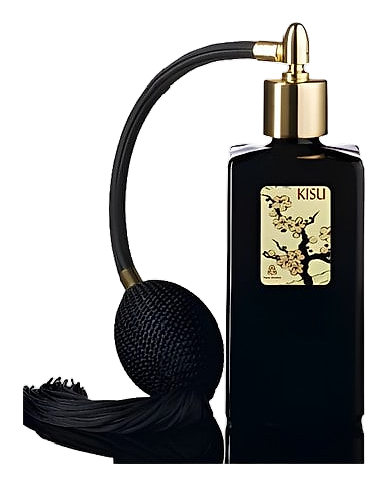

The Story
Why it exists.
The beginning
Kisu arrived in 2004 from Azzi Pickthall, working with CPL Aromas. The brief was simple and specific: translate the Japanese bath ritual into scent. The idea was to evoke that sense of ritual, of quiet immersion. Perfumer Azzi Pickthall approached the composition with this intention in mind. The name carries the meaning directly. In Japanese, 'kisu' is 'kiss.' The connection is there, a deliberate echo of intimacy and closeness.
What makes Kisu unusual is the aquatic note's role. Here, it's not the sharp, aggressive marine of 2000s flankers. It's softer. Mineral. The smell of steam retreating from warm water. That aquatic accord, described in sources as the 'Asian marine accord', sits in the base, joining cedar and musk rather than leading. The ylang-ylang is creamy, tropical, slightly animal. Brazilian rosewood gave this original formulation a specific warmth. On skin, this smells like a decision made quietly. Not loud. Not trying.
The evolution
The opening hits clean and aquatic, mineral water, a slight saltiness, the cool shock of entering a warm bath. No aggression. Within minutes, ylang-ylang pushes through. Creamy. Heady. That tropical floral quality that adds depth to the composition. The Brazilian rosewood threads between the florals and the aquatic base, adding warmth without weight. Then cedar takes over. Dry, quiet, intimate. Musk wraps around it, skin-like, close. The aquatic note fades entirely. What remains is warmth on skin. Kisu doesn't fill rooms. It lingers near the surface, intimate, discovered rather than announced. The drydown lasts several hours on most skin types, revealing new facets as time passes. The way the florals fade into the wood and musk creates a subtle evolution that rewards attention.
Cultural impact
Kisu occupies a curious position: well-regarded by those who find it, but largely unknown outside niche fragrance communities. The release came before the surge of interest in independent fragrance houses. It's neither vintage nor contemporary by strict definition. For collectors, it's a quiet artifact worth seeking out. For newcomers, it's a discovery waiting to happen. Either way, it rewards patience.