Heritage
A house, in its own words
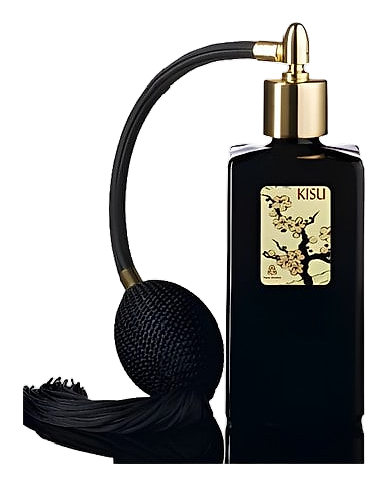
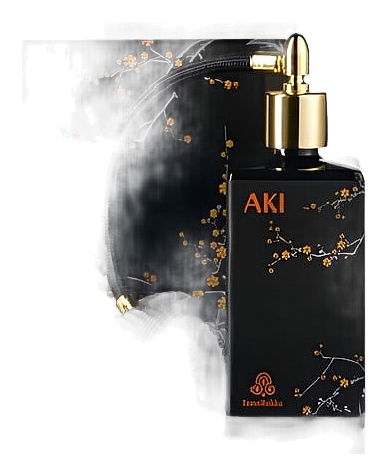
The House of Tann Rokka emerged from London's design community as an extension of an established interior and furniture practice. While precise founding details remain sparse in public sources, the brand's identity is rooted in its distinctive name origin, drawn from Gipsy Romanya language where 'Tann Rokka' translates to 'house talk'. This linguistic heritage signals an interest in the conversational quality of spaces, the way rooms and objects communicate with their inhabitants. The transition into fragrance creation represented a natural evolution for a studio already concerned with comprehensive sensory environments. Rather than developing perfume as a commercial line extension, the brand approached scent as another medium for spatial expression. The two documented fragrance releases, Kisu arriving in 2004 and Aki following in 2005, appeared during a period when cross-disciplinary design practices were gaining visibility in London's creative scene. The house's positioning as an interior design firm first and fragrance creator second distinguishes its narrative from dedicated perfume houses, suggesting a fragrance philosophy informed by architecture, texture, and lived experience rather than purely olfactory tradition. Tann Rokka's approach to fragrance reflects its parent discipline of interior design, treating scent as one component within a larger composition of space, light, and material. The brand reportedly views perfumes not as standalone accessories but as atmospheric elements capable of transforming how a room is perceived and experienced. This perspective positions fragrance within the realm of environmental design, where the goal is coherence between visual and olfactory dimensions. The limited release schedule, with only two documented fragrances across more than two decades, suggests a philosophy of restraint over expansion. Each scent appears to serve a specific conceptual purpose rather than filling a market position. The Gipsy Romany etymology of the brand name hints at underlying values around communication and domestic intimacy, implying that fragrance functions as a form of non-verbal dialogue between space and occupant. The house appears to prioritize depth of intention over breadth of catalog, a stance that resonates with certain luxury design principles but diverges from the production volume typical of commercial fragrance houses.