The Story
Why it exists.
The beginning
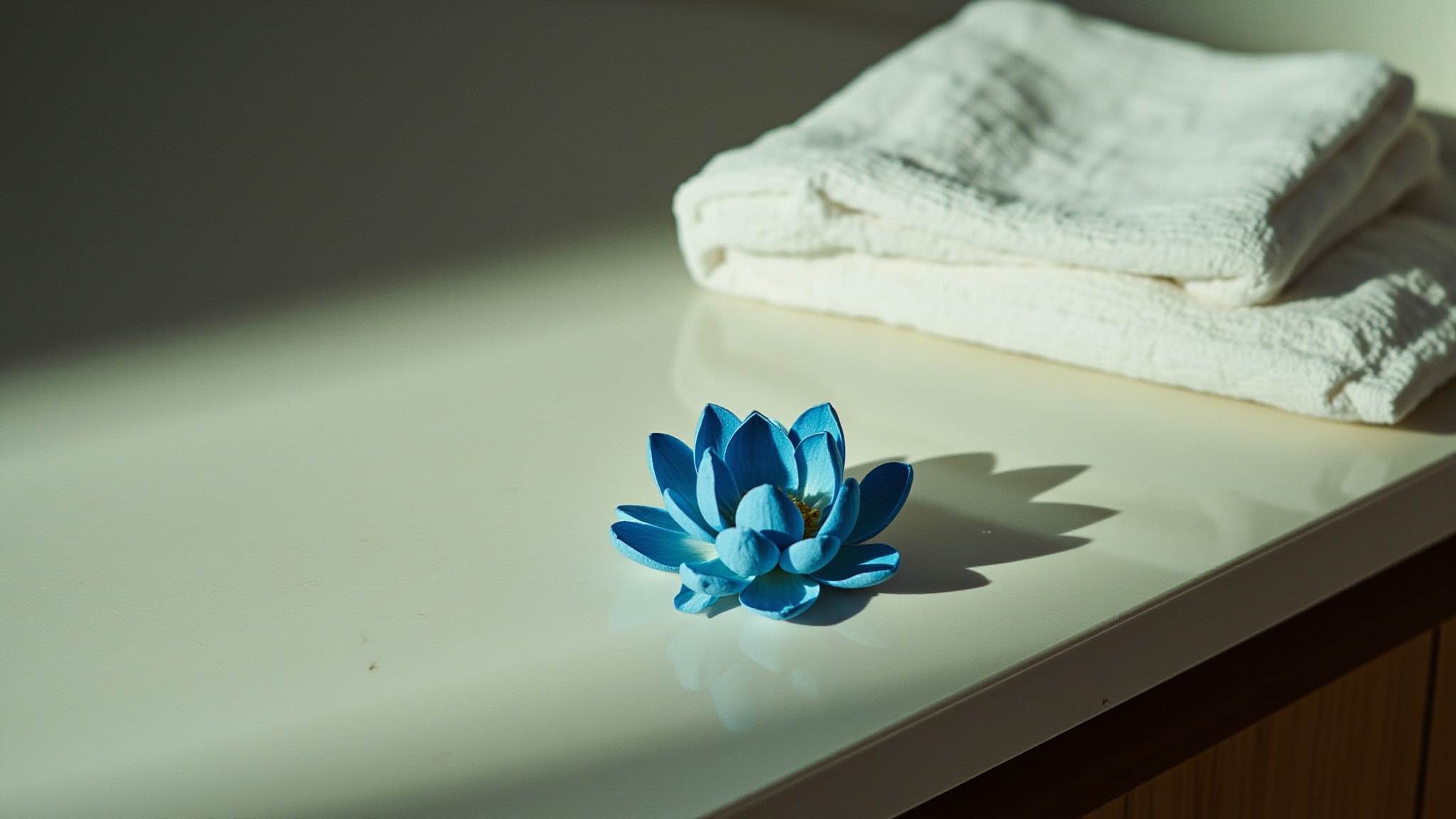
Blue Jasmine launched in 2000, with Elise Pearlstine composing a fragrance built around the striking duality suggested by its name. Jasmine supplies the floral charge, while blue lotus introduces a cooler, more aquatic register. Chamomile and ylang-ylang widen the heart with herbal softness and sensuous depth, and sandalwood with vetiver anchor the composition in warm wood and earthy texture. Together, the notes create a layered floral fragrance that moves between luminous jasmine, watery lotus, soft chamomile, rounded ylang-ylang, and grounded wood. The contrast gives Blue Jasmine its character: a floral composition with both freshness and depth.
The interesting part is the contrast between the flowers. Jasmine brings an assertive, creamy warmth, while lotus and chamomile create a more transparent, airy register. Ylang-ylang lands between them, adding a rounded floral spice that keeps the composition from becoming simply cool. Sandalwood and vetiver then change the temperature entirely, giving the bouquet a dry, earthy foundation rather than leaving it suspended like a fresh room spray.
The evolution
At first, blue lotus and jasmine create a lucid floral opening, with jasmine's creamy heat pressing through the cooler water-like quality of lotus. The heart softens into chamomile and ylang-ylang, creating a gentle herbal haze that feels both airy and sensuous. As those flowers recede, sandalwood and vetiver become more apparent. The flowers don't vanish so much as settle against clean wood and damp soil, leaving a composed floral trail. On skin, the bright opening gradually gives way to a warmer, more earthy finish as the composition settles. Jasmine remains softly present while lotus becomes cooler and more diffuse, allowing chamomile's herbal softness and ylang-ylang's creamy spice to blend into the woody base. Sandalwood contributes a smooth warmth, and vetiver lends an earthy texture to the final impression.
Cultural impact
Blue Jasmine offers a clear expression of Tambela's floral register, built around the contrast between jasmine's creamy warmth and blue lotus's cooler, aquatic character. Chamomile and ylang-ylang bring herbal softness and sensuous depth to the heart, while sandalwood and vetiver give the composition a warm, earthy foundation. As the fragrance develops, its bright floral opening settles into a layered trail of soft flowers, smooth wood, and textured earth. For wearers drawn to natural perfumery with a quietly unconventional hand, its appeal lies in a distinct idea brought together through its contrasting notes.
The House
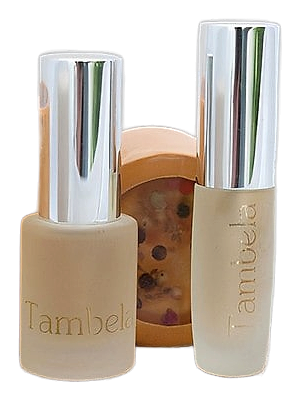
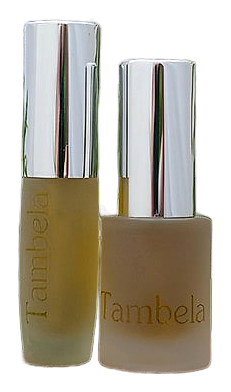
Tambela Natural PerfumesTambela Natural Perfumes is an American fragrance house founded by wildlife ecologist and perfumer Elise Pearlstine. The studio is known for composing fragrances from plant-derived materials, including essential oils, absolutes, resins, and other natural aroma ingredients. Its catalog moves between botanical, aromatic, green, and unusual accordions, with compositions such as Blue Jasmine, Pink Pepper, Tea Olive, Carmen Dances, Verdigris, and Magnolia. The name Tambela refers to a village in southern France where Pearlstine’s connection to natural perfumery took root. Tambela’s identity combines a clear commitment to natural materials with a sense of place, giving its fragrances a character that is often more textured and exploratory than a conventional floral wardrobe.
The Creator
Elise PearlstinePearlstine’s style is rooted in natural perfumery and attentive observation of botanical materials. Her compositions begin with how plants, trees, pollinators and predators participate in scent, then translate those relationships into fragrance.