The Story
Why it exists.
The beginning
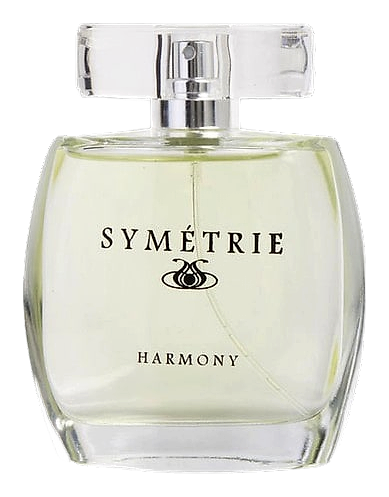
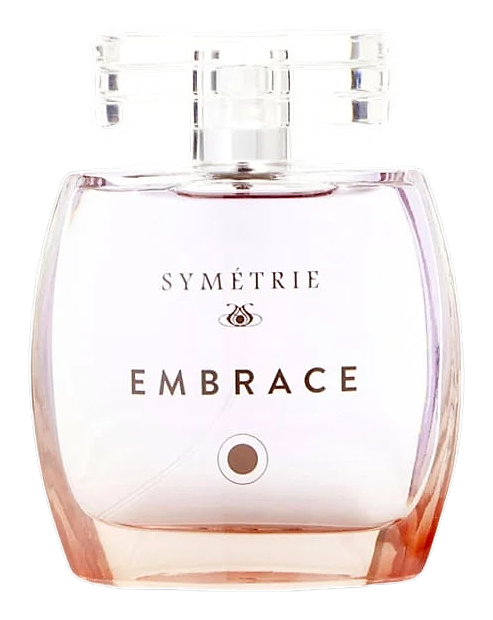
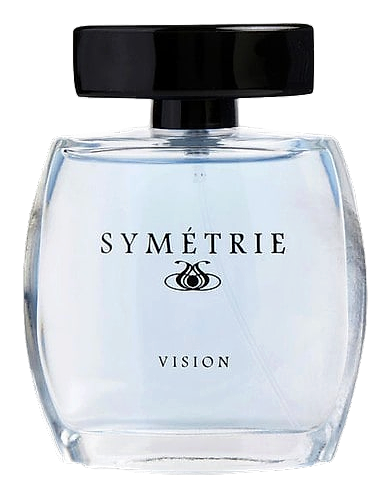
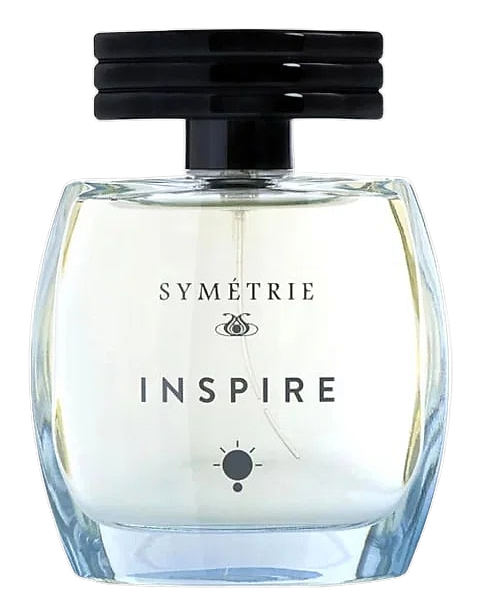
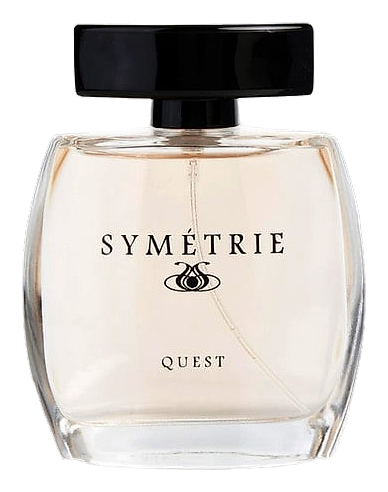
Symétrie launched ten fragrances in 2017, each named after a single emotional state rather than an ingredient or place. Quest was designed to capture that feeling of moving toward something, not urgency, but resolve. The brief called for warmth that could open bright and land soft, a fragrance that worked with the body rather than announcing itself across the room.
The structure is interesting because it inverts expectation. Most warm-spicy fragrances lead with the heavy hand and soften over time. Quest does the opposite, the citrus top is crisp and almost brisk, then the clove and coumarin arrive with their sweet-bitter edge, and only at the end does the vanilla absolute and white amber emerge. It's a fragrance that earns its warmth by not leading with it. The orange blossom in the heart adds a quiet floral layer that most comparisons to barbasol or old spice completely miss.
The evolution
The first five minutes are all citrus, bergamot and Sicilian lemon, bright and sharp against the skin. By minute ten, the clove kicks in. That's the shift. Sweetness follows, coumarin wrapping around the spice like a soft edge. The heart holds for about two hours, green notes and orange blossom giving it a quiet complexity that reads herbal rather than sweet. Then the base takes over, myrrh and patchouli grounded by vanilla absolute and white amber. The drydown stays close. The kind of scent you catch on your wrist when you raise your hand.
Cultural impact
Quest has found its people. In fragrance communities, it gets compared to barbasol, old spice, vintage Avon aftershaves, and wearers wear that as a badge. There's a certain comfort in a scent that doesn't try to be interesting. It fills a space that most modern niche fragrances have abandoned: the warm, quiet, slightly sweet fragrance that works every day without asking anything of you.