
The Story
Why it exists.
The beginning
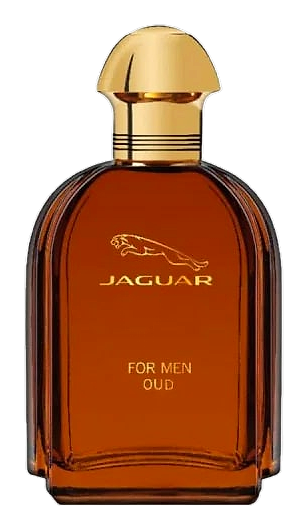
The name says everything. No metaphor, no backstory, just the material itself, distilled. Oud arrived in 2012 from Aurélien Guichard, the Grasse-trained perfumer who had spent years building a reputation for compositions that feel inevitable rather than decorated. By then, the oud boom was in full swing, every house scrambling for their interpretation of the resin that had haunted perfumery's imagination for centuries. Most of them defaulted to sweetness. Darkness as a party trick. Guichard did something else entirely.
He started with oud as the foundation, yes, but built around it rather than over it. The house's philosophy of clarity and structure meant no heavy-handedness, no avalanche of precious materials masking the central note. Instead: saffron for warmth, myrrh for dust, fir balsam for that sharp, almost medicinal bite that keeps the whole thing honest. Guaiac wood and patchouli in the base don't sweeten, they darken. The result is an oud that reads as dry and woody first, warm and resinous second, and animalic never. It's oud for someone who's tired of oud.
The evolution
The opening hits bright, saffron's metallic warmth against the skin, like heat rising off dark wood. Brief, though. Within minutes the fir pushes through, bringing its alpine sharpness alongside myrrh's dusty, sacred resin. The styrax adds a faint gumminess, a sticking quality that clings to the heart. This middle phase is the fragrance's actual character, more conifer than oud, more incense than luxury. Then the base arrives. Oud and guaiac wood together create something denser and smokier than either manages alone, with patchouli pulling the whole thing downward into earth. The drydown is what stays: dry, resinous, woody warmth that lasts through a full workday and settles close to the skin by evening.
Cultural impact
Oud, also known as agarwood, has held a revered place in Arabian perfumery for centuries. Its complex, resinous character made it the scent of choice for royalty and the nobility across the Middle East. In Gulf culture particularly, burning oud chips to scent a majlis remains a gesture of hospitality and prestige. This fragrance oil pays homage to that tradition while adapting it for modern sensibilities. The prominence of oud in Arabian perfumery stems not only from its distinctive scent but also from the labor-intensive process of producing quality agarwood, which develops only when the aquilaria tree becomes infected with fungus. This rarity continues to elevate oud's status in perfume markets worldwide, making it a link to centuries of Arabian heritage.