
The Story
Why it exists.
The beginning
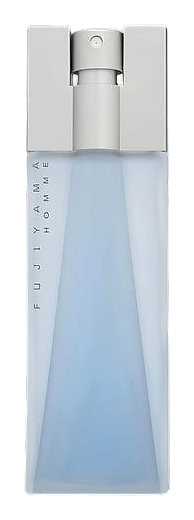
The name says it all. Fujiyama is Mount Fuji, Japan's iconic peak, perpetually snow-capped, perpetually still. In 1995, Succes de Paris took that imagery and asked: what does clarity smell like? Not sterile. Not minimal for minimal's sake. But genuinely transparent, the kind of scent that shows you exactly what it is and nothing more. The bamboo note became the answer. A green, slightly mineral material that evokes something natural without being literal about it. No florals to muddy the picture. No excessive sweetness to complicate things. Just a fresh aromatic structure built on honesty and restraint.
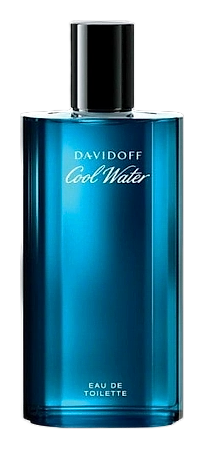
The choice of bamboo as a defining note is unusual. Most 1990s masculine fragrances leaned into either aquatic freshness (think Cool Water) or spicy warmth (think Drakkar Noir). Bamboo sits between those categories, it's green without being herbal, fresh without being aquatic, slightly mineral without being metallic. The cloves in the top accord reinforce this: they add a sharp, aromatic warmth that prevents the bamboo from reading as cold or sterile. Together, these materials create an opening that feels both immediate and layered, something most contemporaries in the fresh-citrus category weren't attempting in 1995.
The evolution
The opening hits quickly, mint, bamboo, and a surprising clove sharpness. The bamboo note is the star here, lending a green-mineral quality that sets this apart from typical aquatic freshies. Within 15 minutes, the heart takes over: cedar and geranium arrive with a warm, slightly floral dryness. The pink pepper (what some sources call red pepper) adds a gentle prickle underneath, barely noticeable, but it keeps the composition from going flat. By the 2-hour mark, the base begins to assert itself. Vetiver brings an earthy, root-like depth. Benzoin adds a faint resinous warmth. Cardamom lingers in the background, a soft spice that never overwhelms. The drydown is intimate, close to the skin, present but not projecting. On fabric, some of the cedar survives into the next day, faint and clean.
Cultural impact
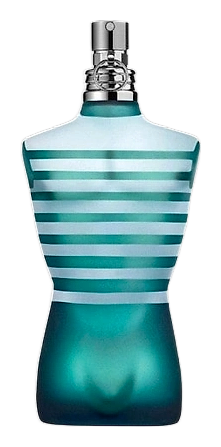
Fujiyama Homme arrived in 1995, a year when masculine fragrance was bifurcating into two camps: aquatic freshness (Cool Water, Aqua Float) and spicy warmth (Drakkar Noir, Le Male). Fujiyama Homme carved a third path, an aromatic-woody freshness that borrowed from both categories without fully belonging to either. The bamboo note was uncommon at the time, more associated with Asian cosmetic traditions than Western perfumery. For wearers who found aquatic fragrances too sterile and spicy fragrances too heavy, this offered something in between. It's no longer produced but remains available through specialty retailers, where it attracts collectors looking for 1990s masculinity that predates the oud-and-smoke wave of the 2010s.