







Heritage
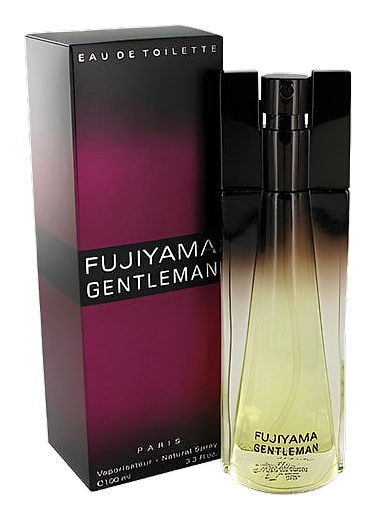
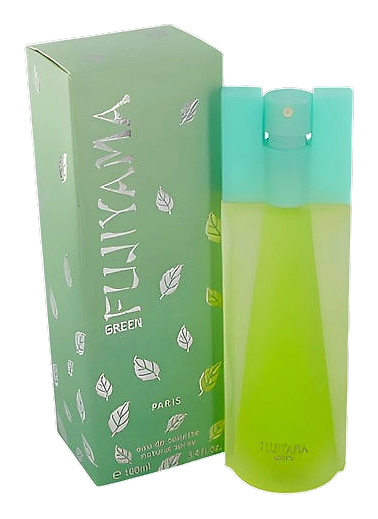
A house, in its own words
The origins of Succes de Paris trace back to the early 1990s, a period when independent perfume houses began to explore niche markets beyond the major fashion houses. While the exact founder’s name is not widely documented, trade listings from that decade record the brand’s first releases under the Fujiyama name. In 1995 the house introduced Fujiyama Homme, a fresh aromatic that quickly appeared in specialty boutiques across France. Two years later, Succes de Paris expanded the line with Fujiyama Green, adding a greener, herbaceous twist that highlighted the brand’s willingness to experiment within a single olfactory family. By 1999 the label launched Polemic, a departure from the citrus focus that incorporated spicy and woody notes, demonstrating a broader creative ambition. The early 2000s saw the addition of Parabole (2003), a more complex composition that blended floral and oriental elements, and Fujiyama Love Story, a limited edition that paired the original citrus heart with a softer, romantic finish. Throughout its development, Succes de Paris maintained a modest production scale, allowing it to source ingredients with a degree of care often unavailable to larger houses. The brand’s catalogue, though not extensive, reflects a steady rhythm of releases roughly every two to three years, each building on the previous scent’s DNA while introducing a new facet of the house’s evolving identity. By the mid‑2010s the label had secured a small but loyal following among fragrance enthusiasts who appreciate its consistent quality and understated branding. Succes de Paris approaches perfumery as a dialogue between clarity and nuance. The house believes that a fragrance should reveal its character without overwhelming the wearer, a principle that guides the composition of each Fujiyama variant. It values transparency in scent construction, preferring straightforward ingredient pairings that allow each note to be heard. The brand also emphasizes accessibility; it aims to create scents that feel personal rather than ostentatious, inviting everyday wearers to experience a touch of French olfactory heritage. Sustainability enters the conversation through selective sourcing, with the house opting for suppliers that meet basic environmental standards, though it does not claim a formal green certification. Creative decisions often arise from the perfumer’s personal memories of travel and landscape, translating those impressions into aromatic narratives that remain approachable. By focusing on consistency, the house seeks to build trust with its audience, encouraging repeat discovery rather than one‑off hype.