

The Story
Why it exists.
The beginning
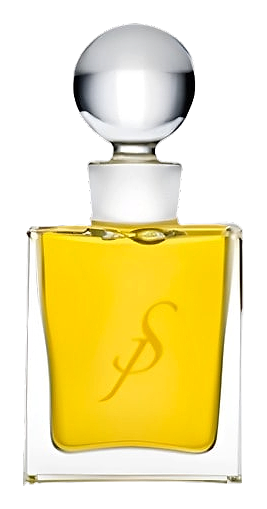
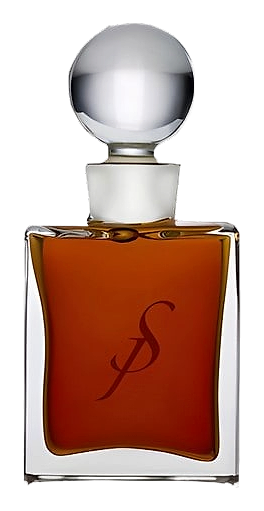
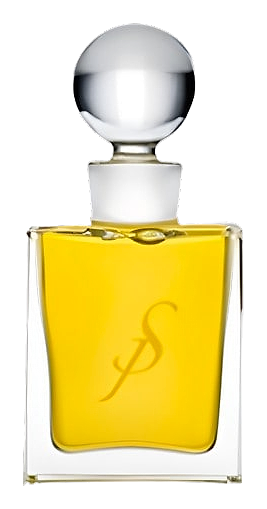
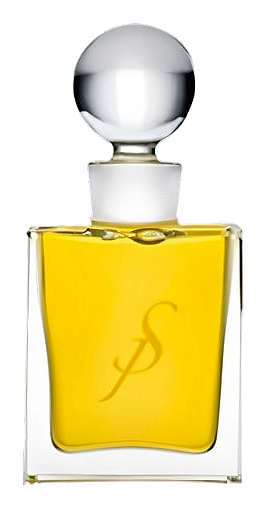
Galatea carries a name that suggests beauty held just out of reach, and the composition follows that logic closely. Neroli opens bright and bitter, galbanum arrives with a wet green snap, and hibiscus gives the floral heart an unusual depth of color. Benzoin and tuberose carry it down into warmth, resin and white flesh. The result is a floral with structure rather than sweetness, built from stem, petal and resin held together by citrus light. It reads bright at first, then gradually warmer, closer to warm skin caught in daylight than to a garden at noon. Neroli keeps the opening clean and sparkling, galbanum pulls in the green, and the base materials settle in slowly, giving the scent a dry, resinous finish that stays close to the skin.
What makes Galatea interesting is the collision of two very different material families. Neroli and galbanum belong to the bright, volatile end of perfumery, almost outdoors, almost cold. Benzoin and tuberose belong to the dense end, resinous and fleshy. Put them together and you get something that smells like sunlight falling across warm skin rather than a garden at noon. The hibiscus in the middle is the quiet hinge. It lends the floral heart a color and a lift, keeping the white flowers from turning soft or sentimental.
The evolution
It opens on a cold green edge. Galbanum does most of the talking here, sharp and resinous, the way pine resin smells after rain on hot stone. Neroli floats above it with a clean citrus brightness, almost bitter, and the first impression is something you can wear in summer heat without wilting. Then the heart arrives and the temperature changes. Tuberose brings white petals with a cool, almost metallic quality, and hibiscus adds a faint tartness that keeps the bloom from becoming pretty for the sake of it. Benzoin arrives underneath, warm and balsamic, and here's where the composition gets its strange coherence, like cold fruit dipped in warm resin. On skin the green fades first, then neroli softens into something rounder, warmer and more diffuse. The base settles close and stays there, resinous and faintly sweet against a floral that still carries a slight coolness.
Cultural impact
Galatea is a fragrance built around contrast, and the composition rewards that approach. Neroli, galbanum and tuberose do most of the work, moving from citrus brightness through a sharp green snap into cool white floral territory before the benzoin warms everything from beneath. It sits in an interesting place for wearers drawn to Strange Invisible Perfumes, since it shares material with green-leaning scents but ends in resin rather than staying purely herbal. The production was apparently discontinued, which adds a certain collectible quality to a fragrance that already has the kind of presence that gets remembered long after it's worn.
The House
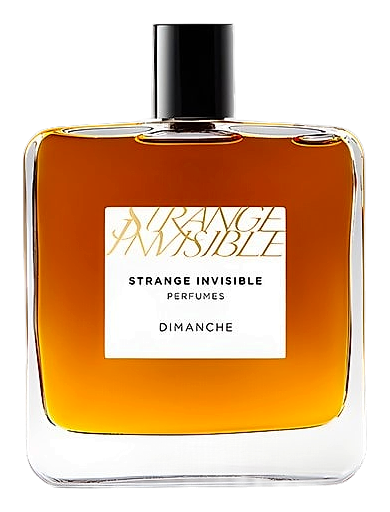
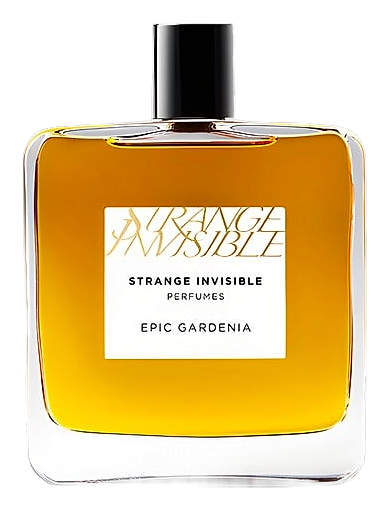
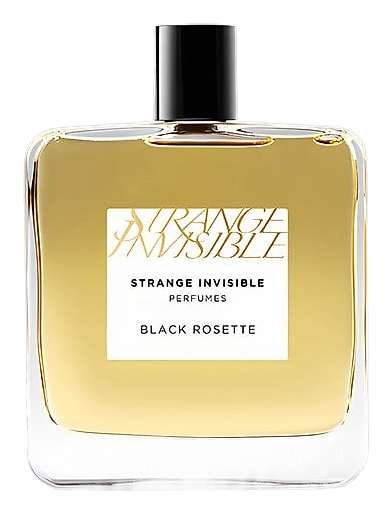
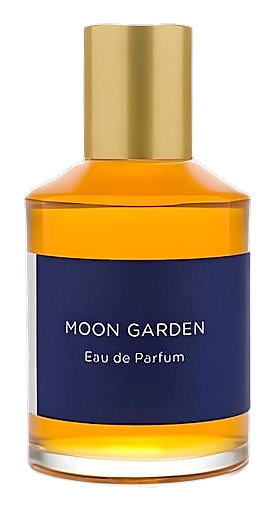
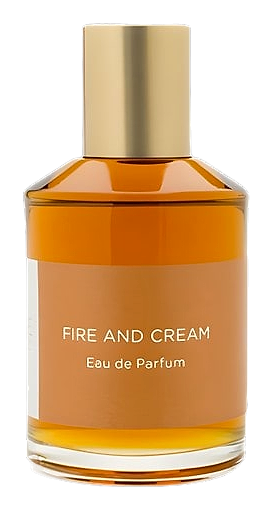
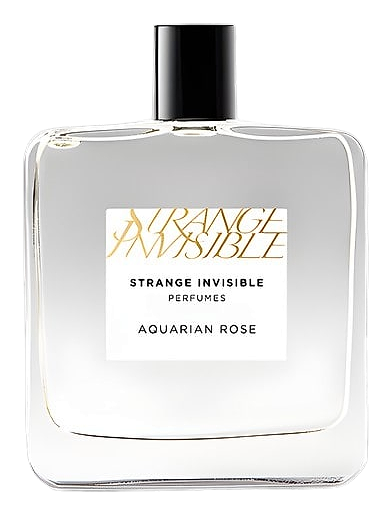
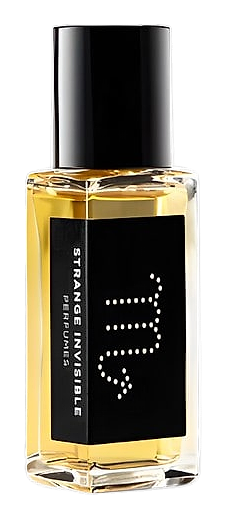
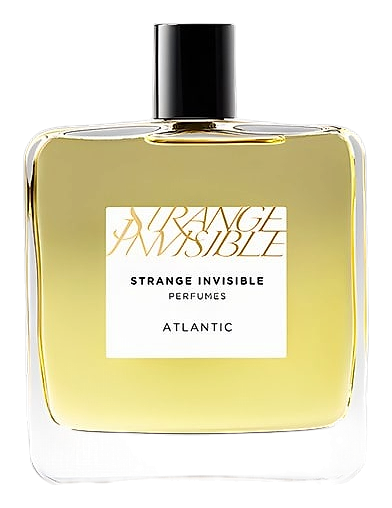
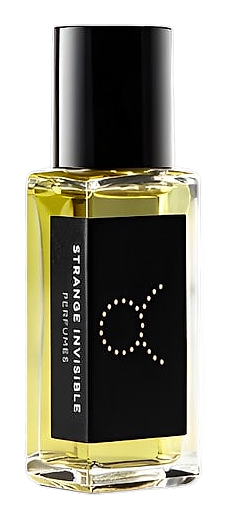
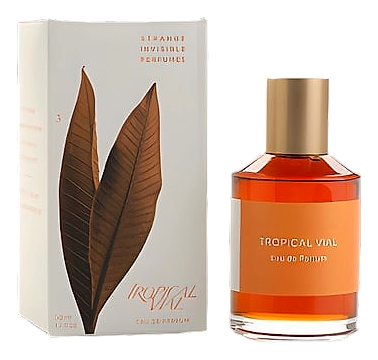
Strange Invisible PerfumesStrange Invisible Perfumes is a Venice, California fragrance house that builds each scent from certified organic, wild‑crafted and biodynamic botanicals. Founded in 2005, the label offers a modest catalogue that includes Dimanche, Epic Gardenia (2009), Virgo (2012) and a series of reserve blends. Every bottle emerges from a small‑batch distillation process, and the brand positions its narratives around ancient scent traditions rather than seasonal trends. The result is a collection that feels both scholarly and intimate, inviting wearers to explore nature’s purest aromas.
The Creator
Alexandra BalahoutisAlexandra favors cold‑press and steam distillation, techniques that preserve subtle green nuances. She works hand‑in‑hand with a full‑time master distiller, tasting each batch before it enters the formula.