The Story
Why it exists.
The beginning
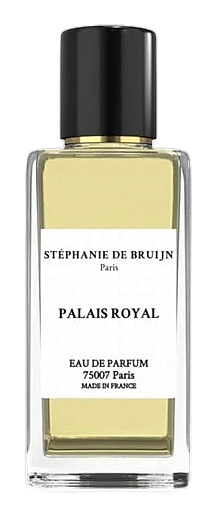
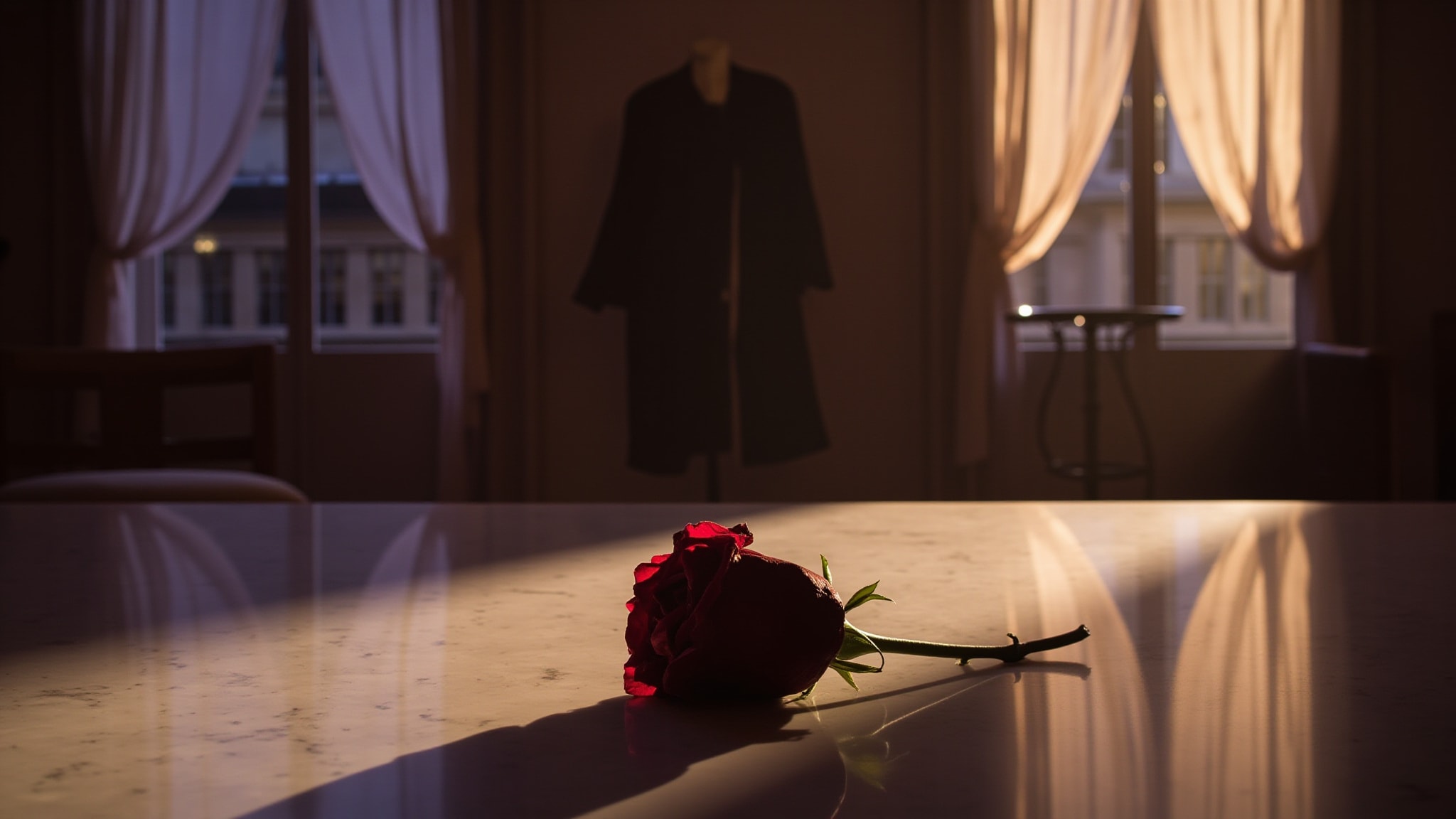
Palais Royal takes its name from the kind of place that doesn't need to explain itself. The name evokes a Parisian landmark of stone facades, manicured gardens, and rooms that have watched centuries of whispered deals. Stéphanie de Bruijn composed this as part of her Prêt à Parfumer collection, a range of named fragrances that lets her work reach beyond the bespoke table. The brief, if you read the composition, is contrast. A palace suggests architecture, order, surfaces polished by time. The notes here don't obey. Incense and amber rise like smoke through the structure, threading resinous heat through the colder stone the name implies. A single rose refuses to be decorative, holding its own against the heavier materials without softening them.
The interesting move is the restraint. Rose is the only heart note, and it carries the entire middle of the composition alone. In an oud-dominant formula, that's a risk. The rose could disappear, swallowed by the resinous gravity of agarwood and the earthiness of patchouli. Instead, de Bruijn positions it as the hinge, the living element between the smoky opening and the heavy wooden base. The incense doesn't function as a religious gesture here. It works as architecture. Smoke that defines the room before the rose walks through it.
The evolution
The first hour is all atmosphere. Incense and amber build a hazy, resinous space, dry and almost mineral, the kind of smoke that feels architectural rather than sweet. There's a warmth to it, but it's distant, like heat from a fire in another room. Then the rose arrives, and the structure shifts. It blooms slowly, not jammy or dewy, but a deep, slightly dusty rose with a candlelit quality, the kind of petal you'd find pressed in a drawer. The incense doesn't vanish. It lingers at the edges, now reading more like the dry warmth of old wood than actual smoke. By hour three, the base takes command. Oud deepens into something leathery and grounded. Patchouli adds a cool, earthy weight. Sandalwood smooths the transitions, lending a creamy, almost milky softness underneath all that darkness. The rose fades to a memory, a whisper. What remains is a close-to-skin warmth, woody and resinous, that lasts well into the next morning. On fabric, it holds even longer, picking up a faint amber glow that feels like the scent of a room after everyone's left.
Cultural impact
Palais Royal sits inside the Prêt à Parfumer line, a collection where oud, incense, and amber recur as core materials rather than passing novelties. The name draws on the register of historic French architecture and royal gardens, borrowing the gravity of those spaces without quoting them literally, and the composition does the same thing in olfactive terms. Where many oud launches lean sweet, fruity, or confectionary, this one pulls toward resin and smoke, letting incense and amber carry much of the architecture while oud, patchouli, and sandalwood hold the base together. The restraint reads as a stylistic choice.