The Story
Why it exists.
The beginning
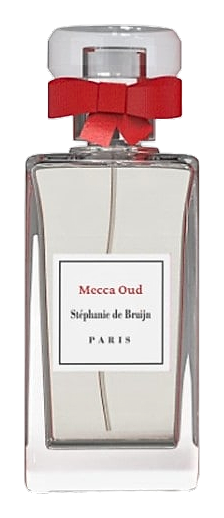
Mecca Oud belongs to Stéphanie de Bruijn's Andalousie collection, and the name itself does most of the framing. Mecca conjures pilgrimage and incense, while oud anchors everything in the resinous, smoky register that defines much of Arabic perfumery. De Bruijn works from her Paris atelier, and the composition carries that Parisian sensibility: precise, intentional, composed with a clarity that feels modern rather than nostalgic. The structure is built around raspberry and Laotian oud, with saffron and violet threading between them as mediators. Cedar and rose occupy the middle register, while leather and patchouli anchor the base, and incense runs through the entire composition as a connecting current.
The structural gamble here is raspberry against Laotian oud. Sweet fruit and sacred smoke aren't natural companions in perfumery, so the pairing requires careful negotiation. De Bruijn threads saffron and violet between them as mediators, softening the raspberry's sugar and rounding the oud's feral edges. The saffron adds a dry, almost leathery bitterness that keeps the raspberry from collapsing into jam, while the violet introduces a powdery, iris-adjacent coolness that pulls the oud toward something more refined.
The evolution
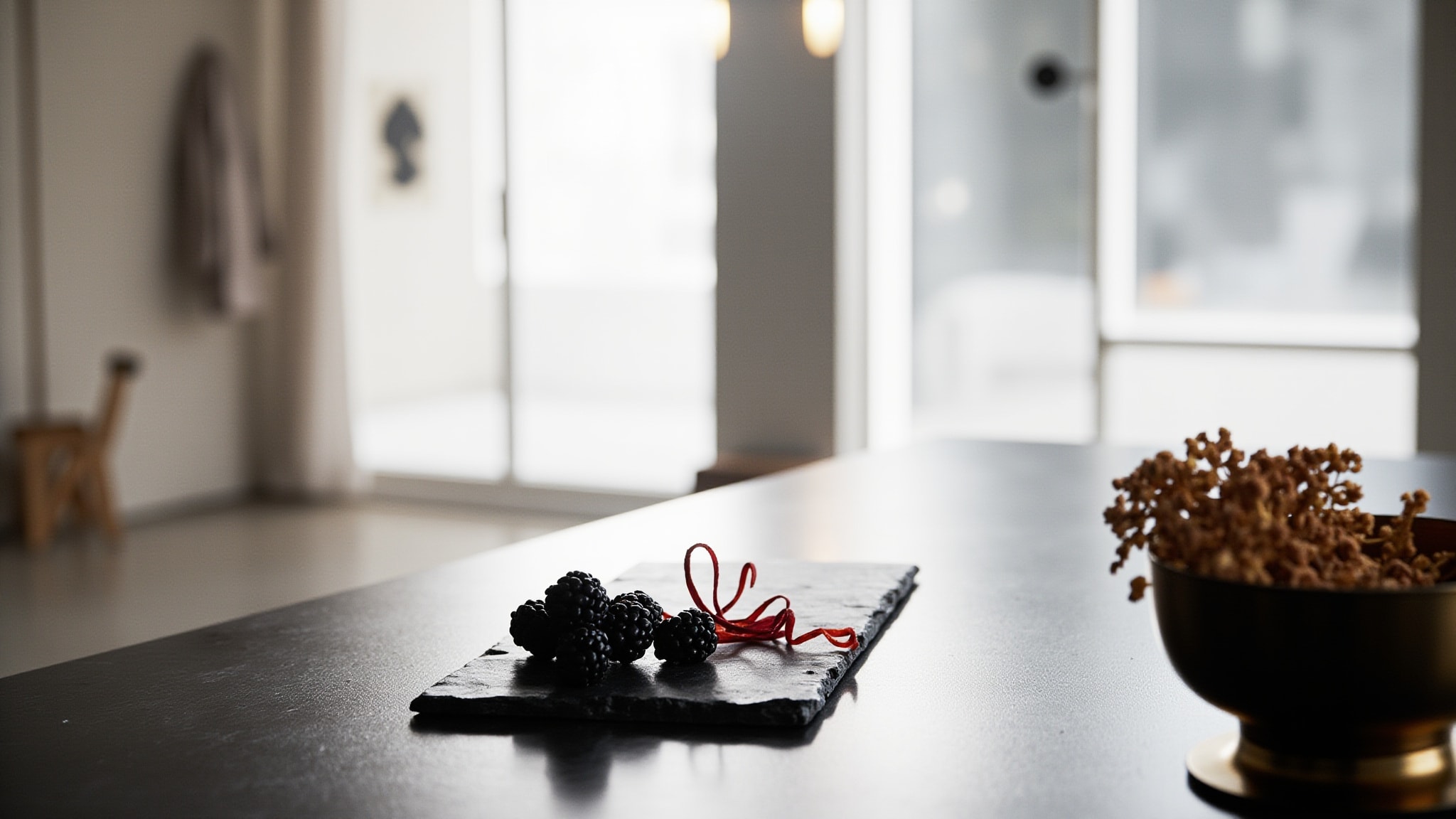
The opening is almost disorienting in its sweetness. Raspberry lands first, jammy and almost confectionary, dense with that cooked-fruit intensity you get from ripe black raspberries at the height of summer. Then saffron cuts through with a dry, leathery heat that reorients everything. The sweetness doesn't disappear, but it stops being innocent. There's a savory edge creeping in from the very start, and you can feel the composition preparing to shift. The heart arrives, and the pivot is decisive. Rose and violet cool the temperature noticeably, introducing a powdery, almost suede-like softness that the opening completely lacked. Cedar adds a dry, pencil-shaving woodiness, clean and slightly sharp, and the leather note starts building underneath, anchoring the florals with something denser. This is where the fragrance stops being a fruit composition and becomes something else entirely.
Cultural impact
Mecca Oud draws frequent comparisons to Frédéric Malle's The Moon, and for good reason. Both compositions orbit the same sweet-oud intersection, and wearers note the resemblance almost immediately. The difference is calibration: Mecca Oud leans slightly less intense, slightly more fruit-forward, which gives it a distinct character within the genre. It belongs to de Bruijn's Andalousie collection, and it carries that collection's sensibility through every phase of its wear.