The Story
Why it exists.
The beginning
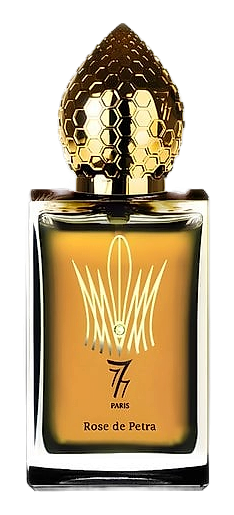
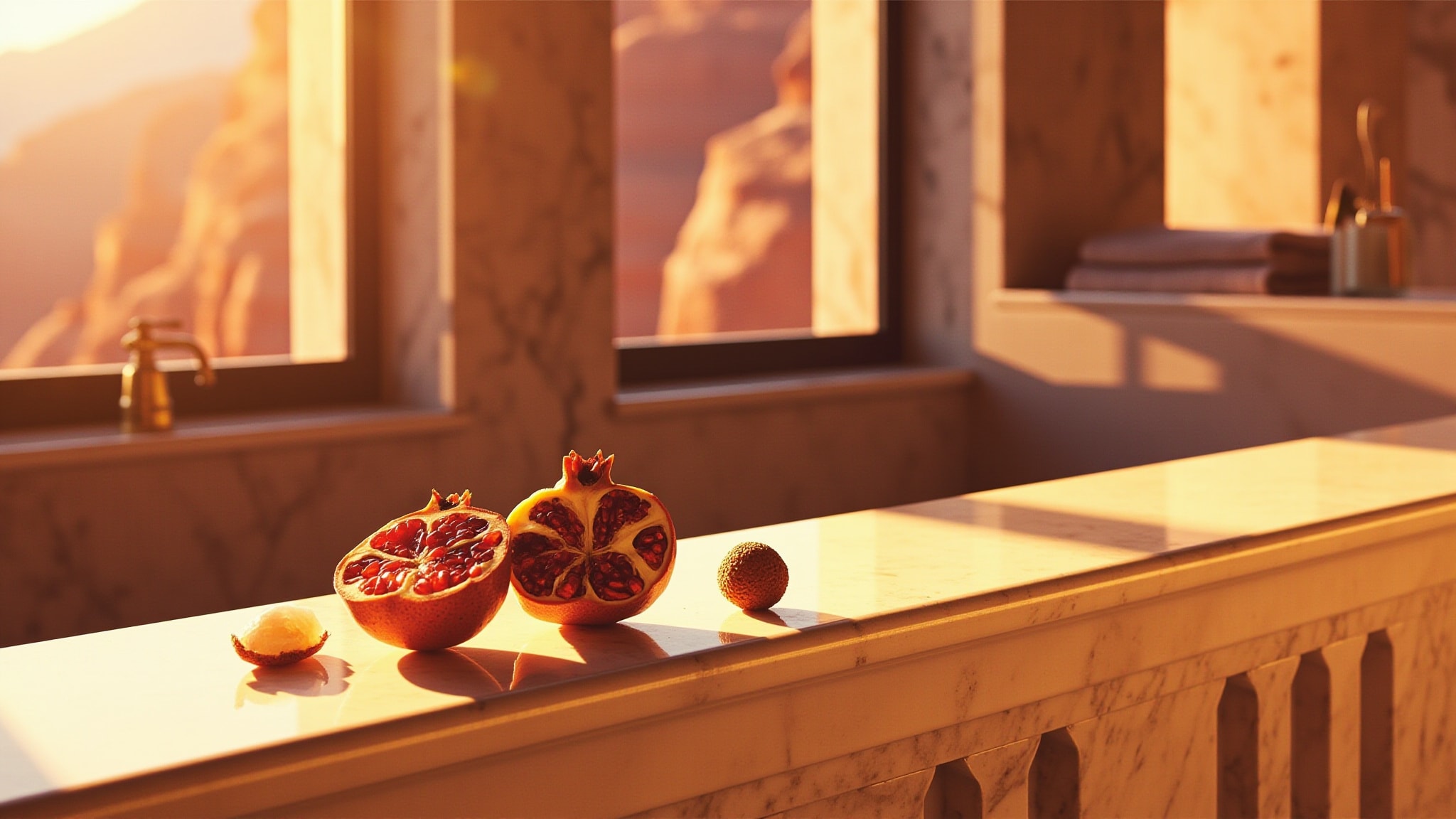
Rose de Petra takes its name from the ancient city carved into rose-red cliffs in the Jordanian desert. The lychee and pomegranate in the opening aren't sweetness for its own sake. They're the first light catching the cliffs before the heat settles in. The Bulgarian rose that follows is the real subject: rich, complex, alive. It doesn't arrive gently. It arrives with intent. The rose in this composition has density, with mineral weight and a dusty quality in its petals. This isn't a greenhouse rose. This is a rose with character, shaped by austere conditions and sparse resources, carrying the weight of its environment in every facet.
What makes this composition unusual is how the warm spices don't soften the rose, they roughen it. Cardamom, cumin, and black pepper don't frame the floral; they strip it down. The result is a rose that reads as almost mineral, almost dusty, almost masculine by conventional standards. That's the androgynous character the brand references. Lucas builds fragrance the way a painter layers pigment: each material modifies the others, creating contrast rather than harmony. The lychee doesn't sweeten the rose, it gives it a translucent brightness that makes the spice feel sharper by comparison. The cumin doesn't warm the finish, it adds an animalic undertone that keeps the drydown from becoming pretty.
The evolution
The opening hits fast, lychee brightness, then the pomegranate tartness, and underneath it all, rose oxide adding an herbal metallic edge that announces this won't be a standard rose. Thirty minutes in, the lychee recedes and the Bulgarian rose takes over completely. This is the heart of the fragrance: a rose that smells dense, almost jam-like, but still has green stems and a slight bitter edge. The cardamom and cumin amplify as the rose blooms, creating a warm-spicy tension that defines the middle hours. By hour four, the florals have largely departed. What remains is cumin and black pepper, grounded in something mineral and warm. The drydown isn't sweet. It's the smell of warm skin after hours of wear, intimate, close, personal. Performance varies significantly depending on skin chemistry and environmental factors, and the fragrance settles into skin proximity as it develops.
Cultural impact
Rose de Petra represents a distinctive take on rose in the niche fragrance space: not the safe garden rose, but something spicier, with mineral qualities that set it apart. The cumin-pepper base creates genuine division. Some find it too austere, others recognize it as exactly what separates this from conventional rose fragrances. Wearers who connect with the cumin character tend to rate it among the most distinctive roses available. The combination of warm spices, earthy notes, and that mineral undercurrent gives this fragrance a character that rewards those seeking something outside the traditional rose profile.