
The Story
Why it exists.
The beginning
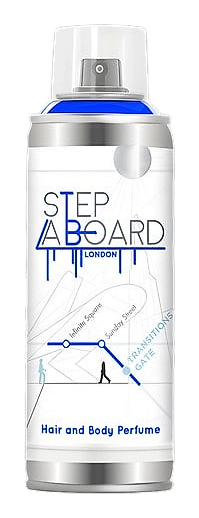
Transitions Gate draws from threshold spaces, those moments between arrival and departure where a city breathes. The fragrance takes the concept of scent moving fluidly between states further: a single gate between moments. The brand's copy describes it as 'hazy human flow through the tube', the sensation of bodies moving through transit, fog-wrapped architecture, futuristic iron structures emerging from mist. Bertrand Duchaufour translated that urban atmosphere into something wearable: not a literal city portrait but its feeling, the weight of leather and smoke as time deepens into evening. The composition moves through distinct phases, each one a passage toward something darker and more grounded than where it began.
What makes Transitions Gate distinctive is its structural honesty. The pyramid isn't layered for drama, it's layered for transition. Thyme and lavender open bright and cool, establishing an aromatic opening that sets the tone for everything that follows. The heart, cypress, saffron, juniper berries, introduces complexity that feels almost contradictory: green but smoky, warm but bitter. Saffron is a notable presence here, adding a subtle depth that most fragrances use for sweetness. Here it anchors the cooler elements, a warm thread running beneath the more austere top notes.
The evolution
Thyme and lavender arrive first, together, bright and almost astringent. Clean. Sharp. Alert. The lavender here isn't the lavender of aromatherapy, it's metallic, almost mineral, lending the opening a structural quality that feels deliberate. As the composition evolves, cypress enters and the green deepens. Juniper berries add a slight bitterness, a cold note that pushes the fragrance toward something more austere. Saffron hovers at the edges, not sweet but warm, a low hum beneath the aromatic structure. The leather doesn't arrive so much as reveal itself, first as an undertone, then becoming more present as the composition shifts. Cedar takes on a darker, more animalic quality as the fragrance develops. Black leather becomes increasingly prominent in the drydown. Vetiver holds the base, smoky and earthy, refusing to let go.
Cultural impact
Transitions Gate occupies a specific niche in contemporary fragrance: the urban aromatic that refuses easy categorization. It references places and atmospheres rather than ingredients alone, offering a specificity that many fragrances lack. The aromatic-leather structure gives it a distinctive character that sets it apart from more conventional compositions. It doesn't announce itself; it persists. The interplay between herbal top notes and darker base elements creates something that rewards patience, a fragrance that reveals its complexity gradually rather than all at once. Those who appreciate restraint find much to admire here.