The Story
Why it exists.
The beginning
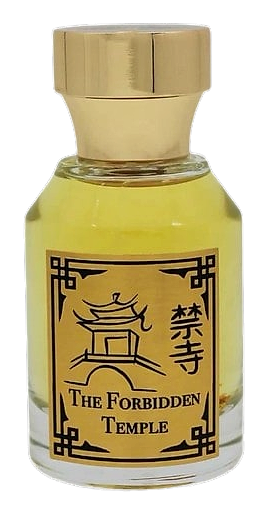
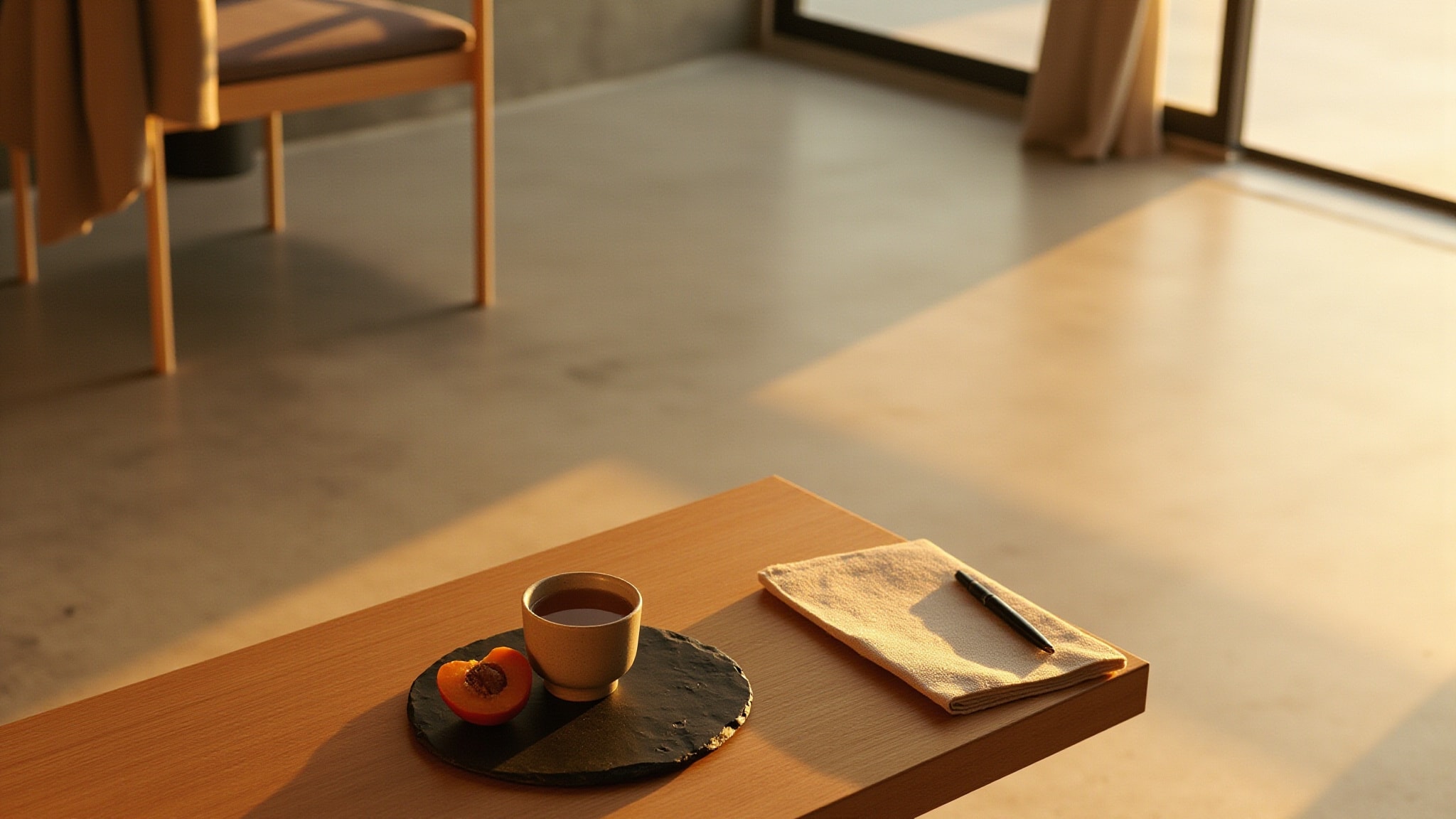
There's a cup of jasmine tea in a temple, apricot dropped in, steam rising. Incense burning somewhere in the next room, curling through the architecture like a slow exhale. Paul Kiler built The Forbidden Temple around that image, a 2024 release from Statik Olfactive. This one freezes the moment before you take the first sip. The room is cool stone. The tea is hot. You can smell both. The jasmine arrives soft and dewy, almost indolic in its sweetness, while the apricot lends a velvet stone-fruit fleshness that keeps the opening from going too austere. There's an herbal undertone that grounds the florals, something like the green stem of the tea leaf itself rather than a generic tea accord borrowed from a hundred other launches. What Kiler achieves here is restraint.
What makes this composition unusual is its commitment to historical accuracy over convenience. The formula uses geographically and historically correct ingredients: jasmine for the floral, apricot and tea blends for the base, hinoki wood for warmth, and frankincense and myrrh anchoring the incense dimension. The Apricot Jasmine Tea accord comprises 50% of the perfume, a structural choice that flips the usual ratio where bases dominate. PK Perfumes made a specially captive basenote molecule for the composition. It's a perfumer building toward verisimilitude, not just a pretty tea accord.
The evolution
The opening belongs to the tea. Green and black leaves steep in real time on your skin, dry and aromatic, with apricot arriving almost immediately as a soft counterweight. Some wearers find this opening austere, it asks for patience. Then something shifts. The jasmine begins to rise, and the woods enter: hinoki first, followed by sandalwood and Armenian wood, both creamy and grounded. The frankincense settles in quietly, more atmospheric than dominant, and the myrrh deepens everything. What started as a cup of tea becomes the temple itself, stone walls, incense curling, the air after prayer. It's a slow architecture that rewards stillness. The transition from tea-and-fruit to full floral-woods takes time, unfolding as the captive basenote molecule slowly raises the jasmine toward the surface while the tea settles into the foundation.
Cultural impact
The Forbidden Temple draws people who want narrative over noise, who treat fragrance as a quiet ritual rather than a statement. Its audience skews toward collectors who read source material before purchasing, who value documentary accuracy and structural integrity over Instagrammability. The fragrance has become a reference point in conversations about temple-incense aesthetics, sitting alongside historical materials discussions in collector forums. Where novelty fragrances chase immediate impact, this one asks wearers to slow down, to sit with a composition that reveals itself over hours.