The Story
Why it exists.
The beginning
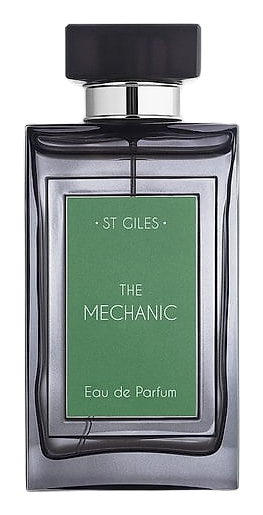
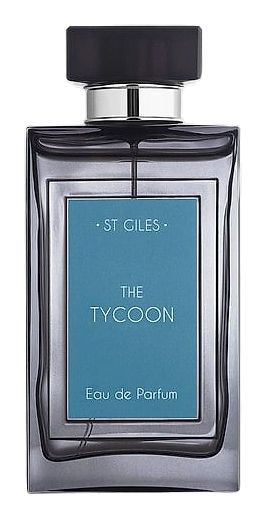
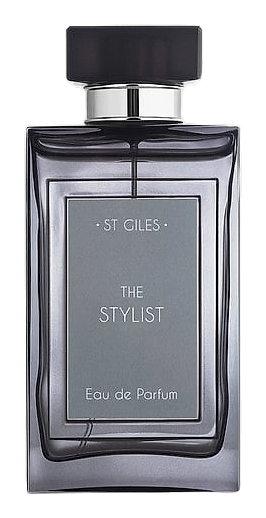
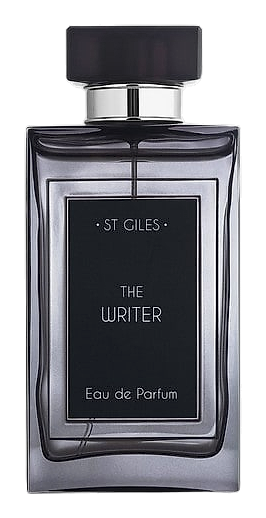
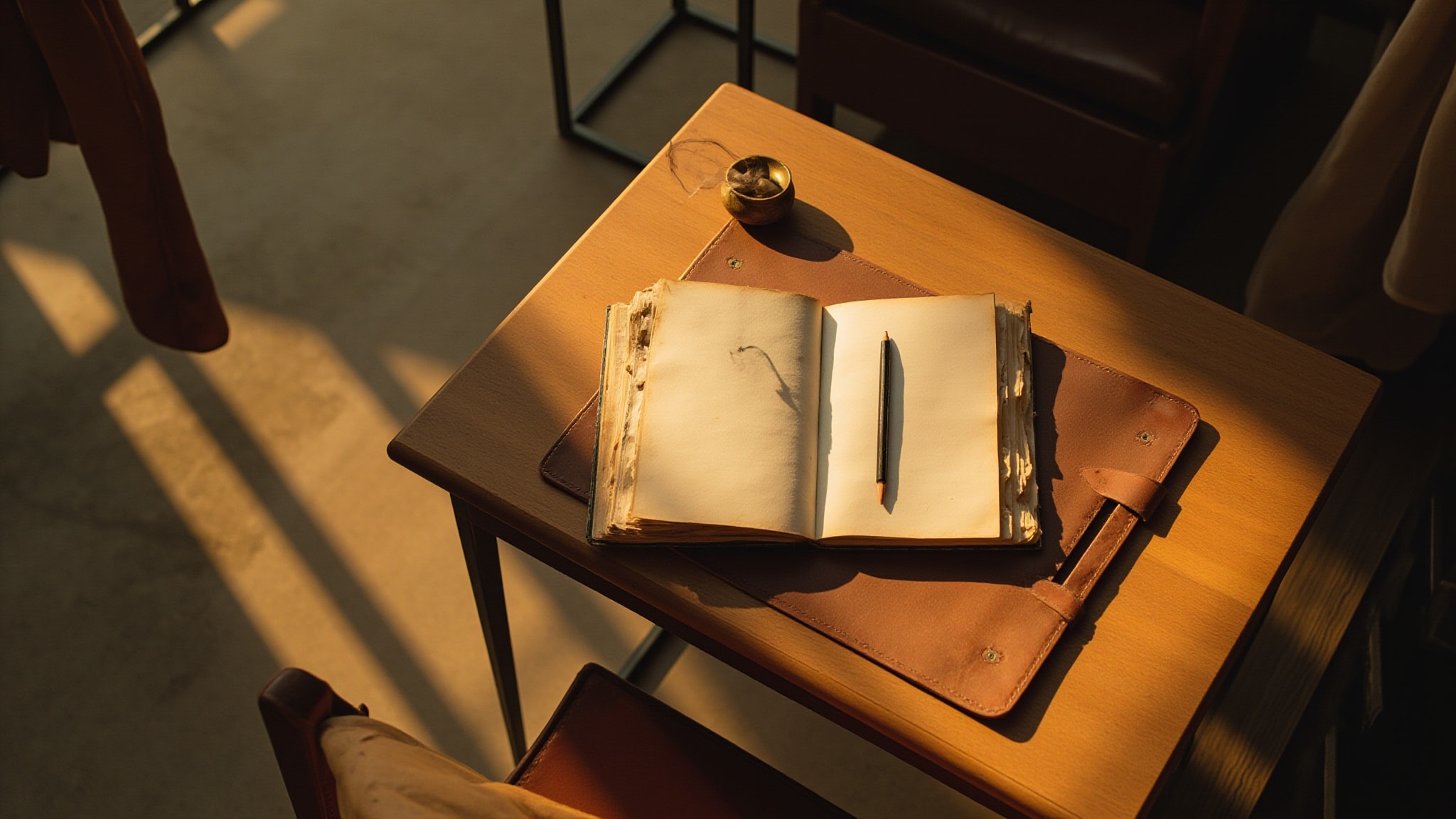
The Writer arrives as part of a five-fragrance collection exploring professional archetypes, the mechanic, the tycoon, the actress, the stylist, and this one. The brief was deceptively simple: what does a writer smell like? Not the cliché of tweed and pipe tobacco, but the actual working environment of someone who spends their life with language. Bertrand Duchaufour, trained in Grasse during the mid-1980s, approached it like a character study rather than a note exercise. The top notes arrive like the first hour of a writing session, alertness, slight anxiety, the burn of strong coffee. The heart deepens into the actual work: leather, incense, the sense of being alone in a room with a problem to solve. It's aromatic without being soft, smoky without being heavy. A fragrance for someone who thinks in chapters.
The aldehydes set The Writer apart from most niche fragrances. They're the compositional equivalent of that first moment of clarity, sharp, almost champagne-like, cutting through mental fog. Rosemary absolute brings an herbal quality that's slightly bitter, the smell of green stems crushed between fingers. Ginger provides warmth without sweetness. Clary sage adds complexity, a cousin of culinary sage but wilder. Rhubarb, an unusual choice, brings a tart, almost metallic brightness that keeps the opening from becoming predictable. In the base, castoreum anchors everything with animalic depth. It's not loud or confrontational.
The evolution
The aldehydes don't wait. They arrive immediately, bright, slightly waxy, almost effervescent. Rosemary absolute follows within seconds, green and camphoraceous. Ginger provides clean heat, clary sage adds aromatic depth, and rhubarb brings unexpected tartness. The opening is awake, alert, caffeinated. Within twenty minutes, incense begins to curl through the composition, dry, resinous smoke that doesn't overpower but lingers. Leather arrives as the bridge, not harsh but present, like the surface of a worn desk. The two notes intertwine through the heart, creating a smoky-leathery core that feels contemplative rather than heavy. Cedarwood arrives as the heart fades, dry and woody. Sandalwood adds creaminess beneath. Castoreum provides animalic warmth, musk, skin, the sensation of fabric that holds scent. Driftwood rounds everything with a mineral, slightly saline quality. By hour six, you're left with cedar, sandalwood, and the ghost of smoke. Intimate. Close. The kind of drydown that someone notices when they're standing beside you, not across the room.
Cultural impact
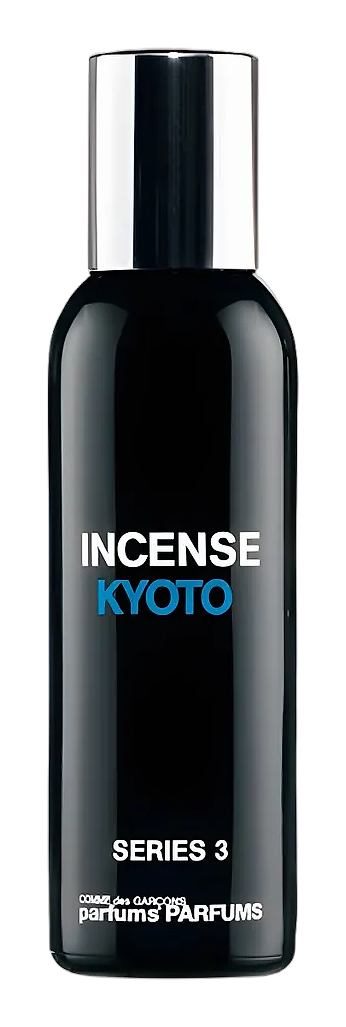
The Writer occupies an interesting position in niche perfumery, compared to contemplative, smoky compositions like Comme des Garçons 2 Man and Tauer Perfumes L'Air du Désert Marocain. These are fragrances that ask something of the wearer rather than simply pleasing them. The St Giles approach, framing scent as character study, offers a counter to typical fragrance marketing. Instead of hyperbole about ingredients or positioning against luxury peers, The Writer simply asks: which character are you?