
The Story
Why it exists.
The beginning
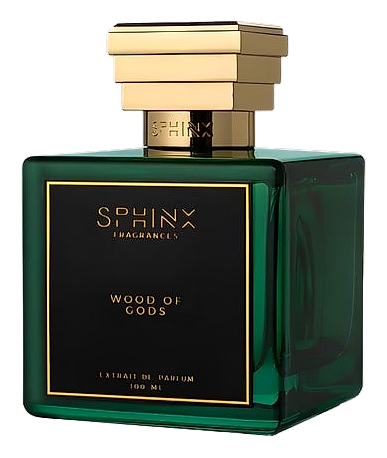
Wood Of Gods carries a name that hints at something timeless, a reference to the way certain woods have long been treasured for their depth and resonance. The fragrance builds on this heritage, creating a composition that feels both established and inviting. Sophisticated, yes, but accessible. The kind of fragrance that makes you want to reach for it again.
What makes this composition interesting is its structural tension. The opening, saffron and almond, arrives warm, almost candied, pulling comparisons to sweeter niche heavyweights. But the heart introduces mint, which adds a cool, green counterpoint that most sweet-spicy fragrances skip entirely. And the base doesn't just ground the sweetness; it redirects it. Oud and cypriol (nagarmotha) bring an earthy, slightly animalic depth that reminds you this fragrance has teeth. It's not just pleasant. It's complex.
The evolution
The opening is warm and slow. Saffron and almond arrive together, creating a sweet-spicy impression that reads almost powdery, the kind of warmth that opens doors before you knock. The mint threads through the sweetness like a hand through hair, adding coolness without cutting the warmth. The rose follows, adding body but not sweetness, jammy, present, the heart's main event. The base arrives with oud and cypriol, earthy and deep, pulling the sweetness back toward something grounded. Patchouli lingers as a woody undertone. Musk stays close to skin, intimate rather than announced. The drydown holds moderate sillage, present but not projecting, the kind of fragrance you have to lean in to find.
Cultural impact
Wood Of Gods sits at the intersection of sweet-spicy oriental and woody aromatic, differentiated by its mint-edged heart. The fragrance balances warmth and freshness in a way that feels both grounded and lifted, creating an experience that appeals to those who appreciate complexity without heaviness.