The Story
Why it exists.
The beginning
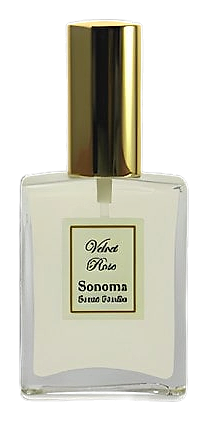
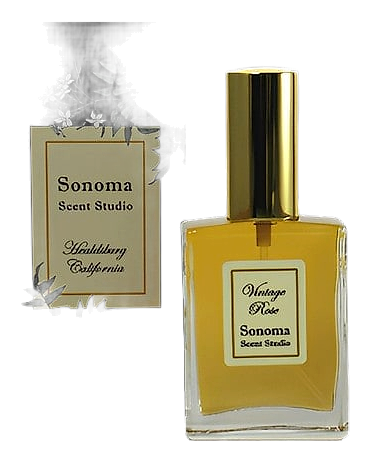
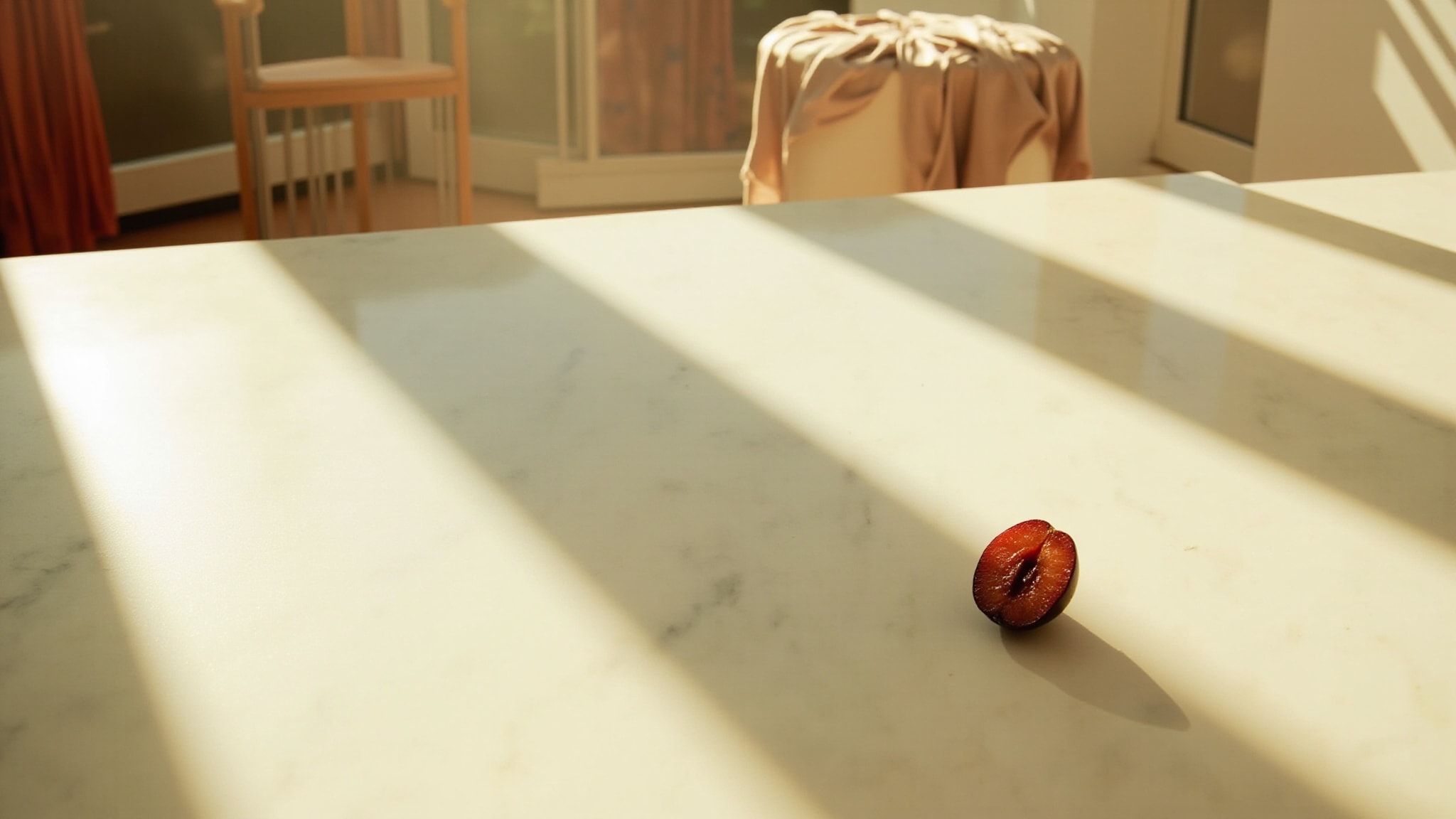
Laurie Erickson started building Vintage Rose around a dusky plum-wine-rose accord she had developed separately and wanted to expand into a complete fragrance. The inspiration was clear: take the richness of plum and wine, pair it with rose's depth, then anchor it in something that could hold its own for hours. Oriental notes, tonka, and labdanum make natural companions for the rose accord, while woods temper any excess sweetness. When someone testing the scent suggested the name Vintage Rose, Erickson recognized immediately that it captured not just the nostalgic quality of the rose but also the hint of spiced wine running through the composition. The name stuck.
What makes Vintage Rose work is its refusal to treat rose as fragile. The plum-wine accord functions almost like a bass note from the start, giving the rose something to lean against rather than float above. Amber and labdanum provide the warmth that makes the composition feel enveloping rather than ephemeral. The woods, cedar, sandalwood, vetiver, do the quiet work of keeping everything grounded, ensuring the sweetness never becomes cloying. It's a carefully balanced structure where each layer has room to exist without drowning the others.
The evolution
The opening arrives immediately: plum-rose in a syrupy wave, sweet and dark. For a few minutes, a curious spice surfaces, something unexpected that reviewers have described as curry-like before it fades and the true composition reveals itself. The heart takes over with rose at the center, but rose wrapped in amber and labdanum, resinous and warm. Plum persists underneath, wine-dark and rich. The woods keep everything structured, preventing the sweetness from overwhelming. By the drydown, the rose and plum have receded to a memory. What remains is cedar, sandalwood, and vetiver, dry, woody, almost mineral. Tonka bean lingers as a warm whisper. The projection softens to intimate, close-to-skin presence that stays detectable the next morning.
Cultural impact
Vintage Rose occupies a specific corner of the indie fragrance world: resinous, warm, and assertive enough to polarize. It appeals to wearers who want a rose with substance, something that reads as feminine without apology but refuses to be delicate. In the broader landscape of rose fragrances, it sits apart from both the traditional soliflores and the modern fruity-floral interpretations, occupying territory closer to vintage chypres without the oxidative drama. Its strong sillage and longevity make it a statement choice rather than a background one, suited to cooler months and evening wear where its warmth can unfold fully.