The Story
Why it exists.
The beginning
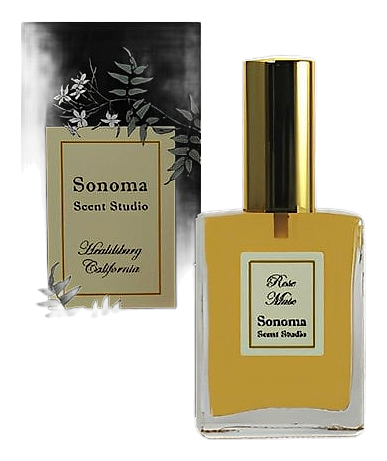
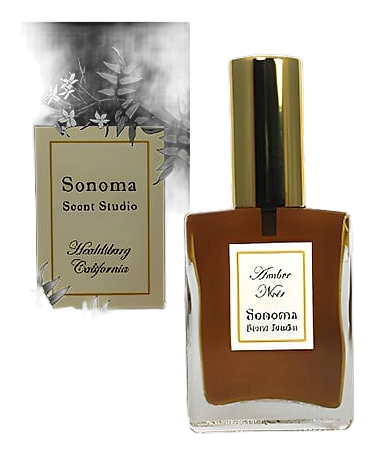
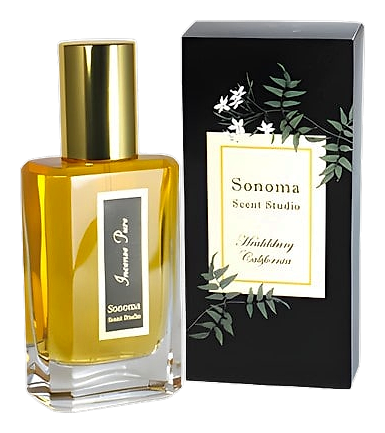
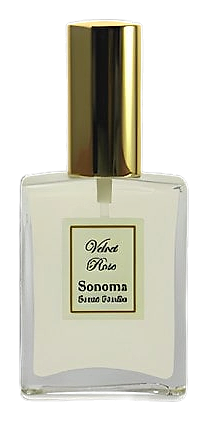
Velvet Rose emerged from a simple frustration: most rose perfumes don't smell like roses. They smell like the idea of roses, sweetened, softened, sanded down to something pleasant and forgettable. Laurie Erickson, the nose behind Sonoma Scent Studio, wanted something different. A soliflore that honored the actual scent of the flower, the dewy freshness, the green undercurrent, the warmth that makes you lean in rather than step back. Launched in 2007, the fragrance stakes its claim immediately: no honey, no vanilla, no easy answers. Just a rose, done right.
What makes this work is restraint. The clove appears in both top and heart, providing warmth without heaviness, a subtle spicing that keeps the rose from reading as merely decorative. Violet leaf brings the green note that separates fresh-cut blooms from potpourri. Bergamot opens bright, then fades gracefully, letting the Damask rose take over. Patchouli and musk in the base don't announce themselves; they extend the drydown, keeping the fragrance close to the skin for hours after the rose itself has softened. It's a study in what happens when a perfumer wants only one thing, and knows exactly how to get there.
The evolution
The opening hits fast: bergamot's citrus brightness followed immediately by clove's warm spice. For about fifteen minutes, there's a crispness that feels almost ozonic, the scent of morning air over wet petals. Then the Damask rose arrives, fully formed, supported by violet leaf's green edge. The heart holds for several hours, the floral-spicy-green combination staying present without shifting dramatically. Around hour four, the rose begins to recede, but patchouli and musk don't rush to fill the space. Instead, they settle quietly, adding depth without sweetness. The final drydown is intimate, detectable only at close range, but persistent. On fabric, traces remain the next morning.
Cultural impact
Velvet Rose carved out a specific space in indie perfumery, the rose soliflore for people who are tired of sweet roses. It found an audience among enthusiasts seeking authenticity over decoration, and it remains in production nearly two decades after launch. Not a flash-in-the-pan niche darling, but a sustained quiet success.