The Story
Why it exists.
The beginning
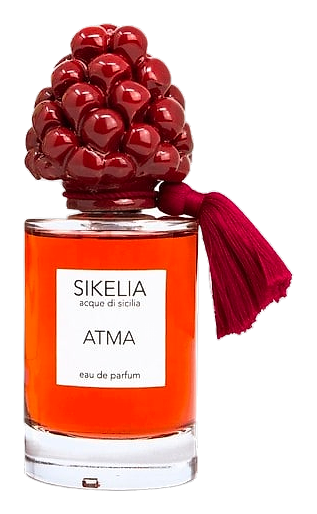
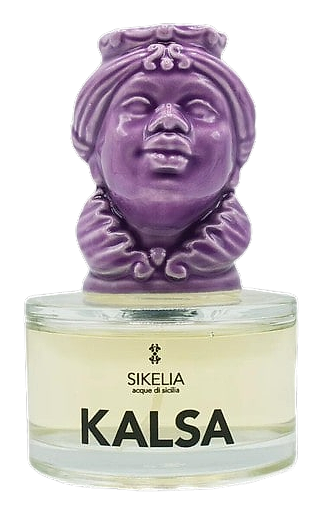
Kalsa takes its name from the historic district of Palermo, a neighborhood of narrow streets, ancient churches, and the Teste di Mori, ceramic busts of Moorish women that have watched over the city for centuries. The Sikelia team spent months in local archives before beginning composition, studying how the city's layers, Arab, Norman, Spanish, Italian, could be translated into scent without reducing any of them to a single note. The brief was specific: build something as dramatic as those ceramic faces. Not pretty. Not safe. Unforgettable.
The note structure reflects this ambition. Thyme and neroli arrive first, herbal and luminous, a nod to the markets that still operate in the Vucciria and Ballarò. But the heart is where the drama unfolds. Lavender and labdanum together create a tension: the clean, almost medicinal sharpness of lavender against the dark, ambery resin of labdanum. Cinnamon and ylang-ylang add warmth and sweetness, but neither dominates. The combination is unusual for a contemporary niche fragrance, lavender often reads dated, but here it's modernized by the other materials, given structure rather than sentimentality. The result is a heart that feels simultaneously familiar and strange, like a melody you almost recognize.
The evolution
The opening announces itself clearly: thyme's herbal bite followed immediately by neroli's citrus-floral delicacy. No ambiguity in those first minutes. Then the hand-off begins. The neroli fades first, leaving the thyme to settle into the composition as the lavender and labdanum rise. By the second hour, the structure has shifted entirely. Cinnamon appears at the edges, not a burst, but a warmth that radiates from within. Ylang-ylang blooms quietly, sweet and slightly waxy. The drydown is where Kalsa earns its reputation. Benzoin and amber create a warm, resinous foundation that feels like it's radiating heat from the skin. Sandalwood and cedar add structure. Tonka bean introduces a coumarin note, hay, sweet, slightly bitter, that lifts the base just enough to keep it from becoming heavy. Musk lingers last, close to the skin. Eight to ten hours is the range. On fabric, it persists into the next day.
Cultural impact
Kalsa takes its name from one of Palermo's most storied neighborhoods, a district where Norman, Arab, and Byzantine influences converged during centuries of Sicilian rule. The fragrance house Sikelia, based in Florence with production in Palermo, designed this scent as an olfactory portrait of the quarter's Moorish ceramic heritage and its labyrinthine streets. The Kalsa neighborhood has long represented Palermo's artistic undercurrent, home to galleries, artisan workshops, and a spirit of creative defiance. By naming a fragrance after this place, Sikelia anchors the scent in Sicilian identity rather than international luxury conventions.