The Story
Why it exists.
The beginning
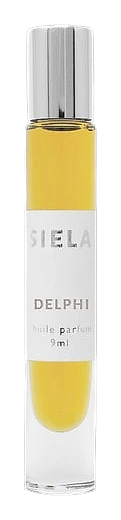
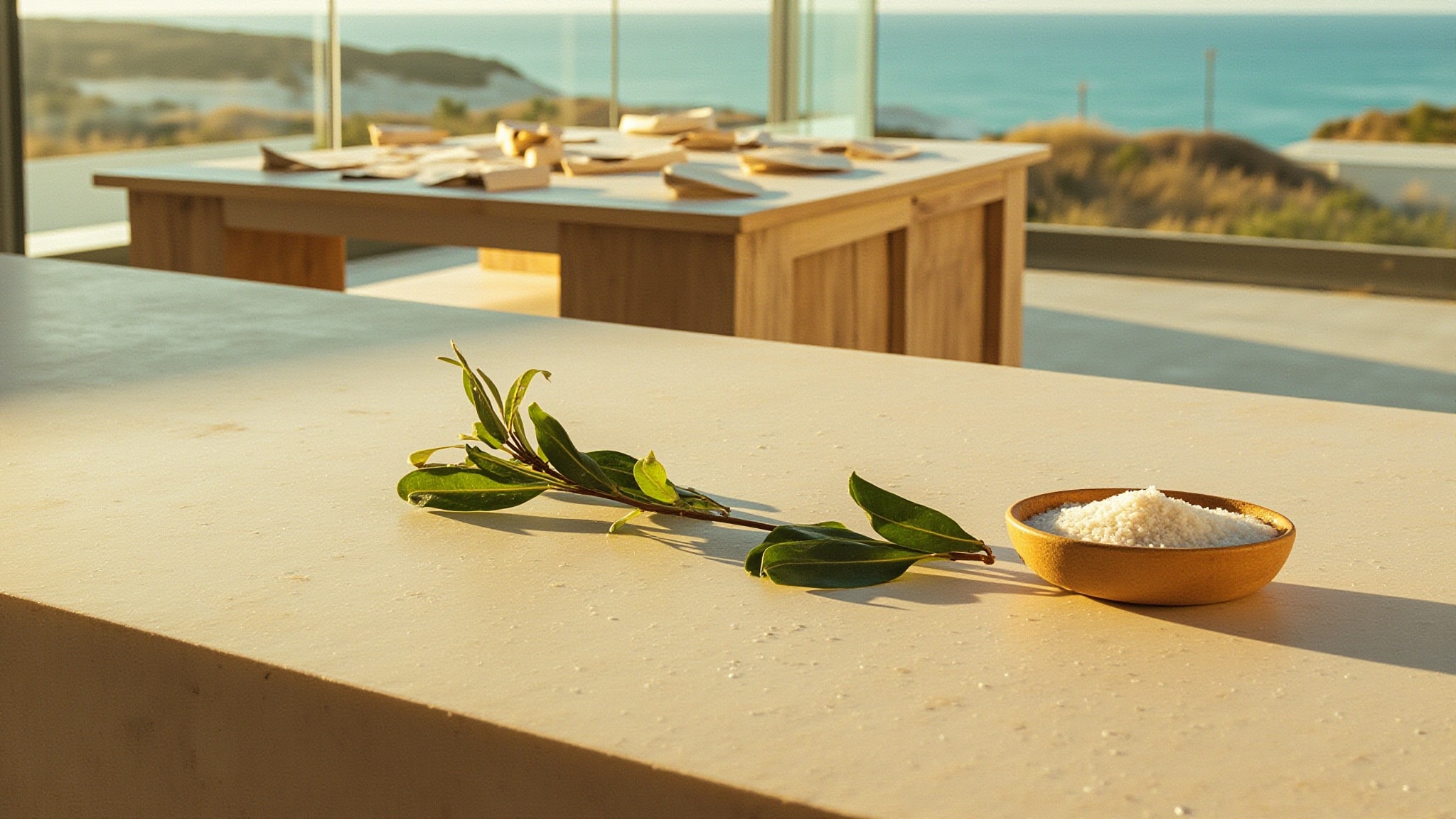
Delphi was composed in 2017 by Jonathan Sielaff and Heather Sielaff, the duo behind Portland's Siela studio, and it reads less like a fragrance than a postcard from a specific coastal afternoon. The name itself points to the oracle at Delphi, the Greek sanctuary set into the slopes above the Gulf of Corinth, a place where laurel crowns, incense, and sea light all met on the same hillside. The composition tries to hold that exact feeling: the snap of bay laurel crushed between fingers, the briny air rolling up from blue-green water, the spicy warmth of sun on bare skin. Siela's catalog treats each release as a mood piece rather than a product line, and Delphi is one of its clearest geographic statements. By 2017 the brand had matured from an experimental home practice into a structured catalog, and this release sits among the first wave of compositions that announced Siela's voice beyond Portland.
What makes Delphi interesting is the tension between its two main materials. Bay laurel, Laurus nobilis, is one of perfumery's oldest aromatics, a camphoraceous, green, faintly peppery leaf that has scented temples, kitchens, and medicine cabinets for millennia. Pairing it with seawater, a material almost no perfumer attempts because of how hard it is to stabilize, is a deliberate choice. Most aromatic fragrances lean on lavender, rosemary, or sage for their herbal spine. Delphi swaps those for a leaf with real bite, then grounds it in a mineral salt note that reads less like an aquatic accord and more like the actual smell of a wave retreating over warm rocks.
The evolution
The first spray announces itself as a bright green slap. Bay laurel hits the nose immediately, camphoraceous, slightly peppery, sharper than rosemary or sage. Bergamot lifts the top, and the spices, whatever specific blend Sielaff chose, flicker underneath without naming themselves. Within fifteen minutes the laurel softens and the seawater note arrives, a clean mineral coolness that makes the whole composition feel like it has moved outdoors. The precious woods start to surface around the forty-minute mark, warm and indistinct, more about texture than identity. The middle phase holds this balanced cool-warm plateau for a solid two to three hours, the salt keeping the spices honest, the woods keeping the salt from floating away. By hour four the laurel has mostly faded, but the woods and a faint brine linger close to the skin. On fabric, especially wool or cotton scarves, the drydown can stretch into the next morning, reading warmer and softer, almost like cedar after rain with a memory of the sea still clinging to the fibers.
Cultural impact
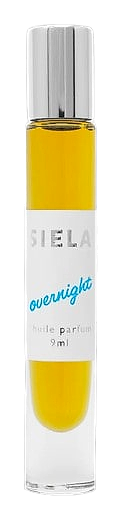
Within the small world of American independent perfumery, Siela occupies a specific lane: studio-scale, made-to-order, no retail apparatus, the kind of brand you discover through a friend or a forum post rather than a department store counter. Delphi, released in 2017, sits alongside compositions like Overnight and Yasameen as part of the early catalog that defined the house's voice. It is not a fragrance that appears in mainstream press or mainstream recommendations; its cultural footprint lives in niche perfume communities, where its laurel-and-saltwater tension has made it a reference point for what a coastal aromatic can be when it refuses to lean on lavender.