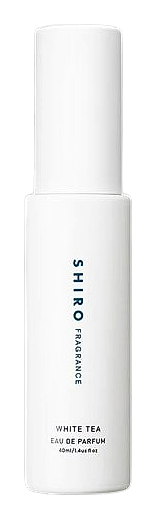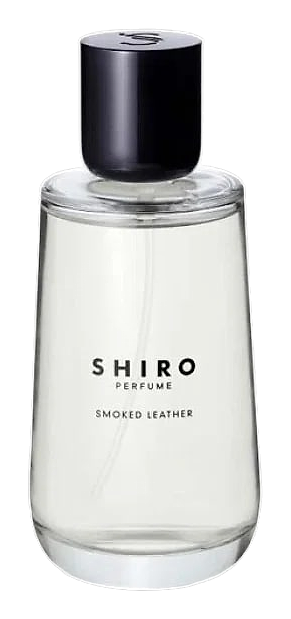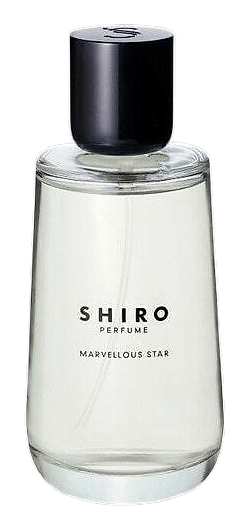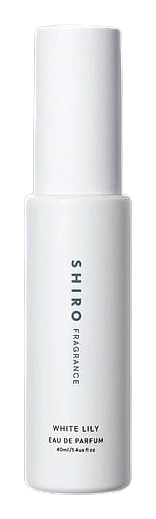
The Story
Why it exists.
The beginning
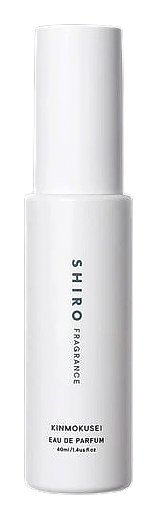
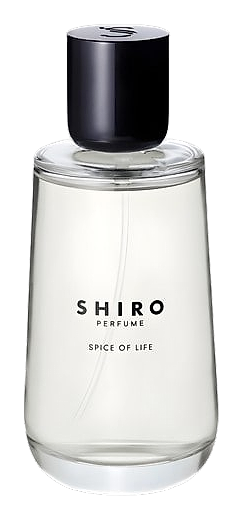
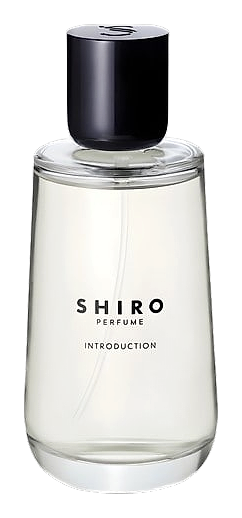
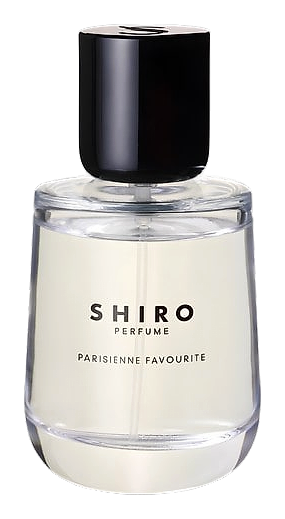
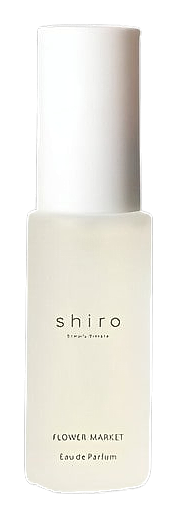
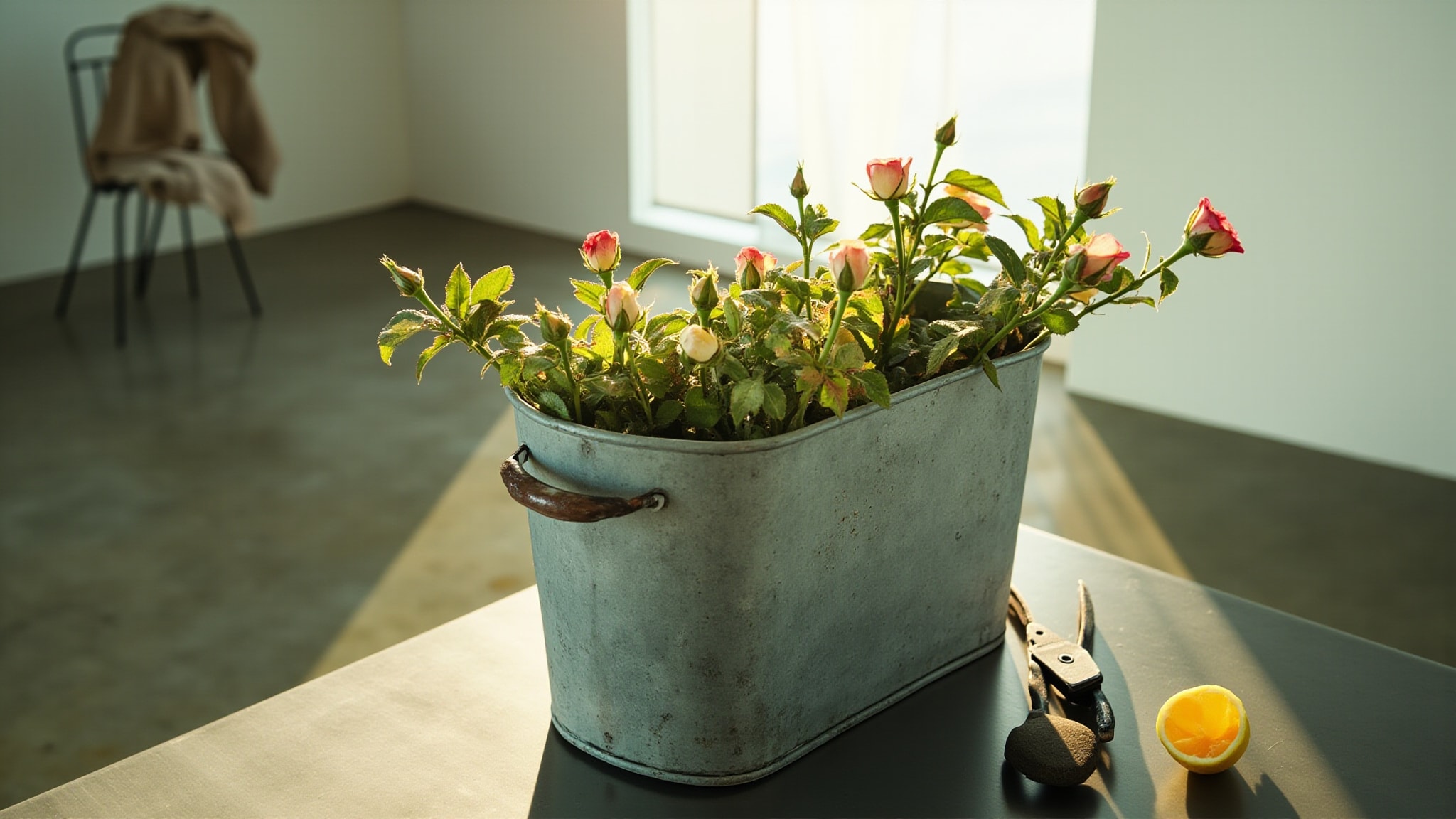
Flower Market arrived in 2015 from Shiro, and the name says most of what you need to know. It's a small, specific idea: the first hour at an open-air flower stall, before the sun warms the pavement and the crowds roll in. Cold morning, cut stems in a bucket, the faint sweetness of bruised petals still on your fingers. The air carries something cool and green, a little raw, pulled from the buckets faster than warmth can lift it. There's a quietness to the place, a hush between transactions, and that's the space the fragrance is trying to hold. The brand's aesthetic matches the scent itself: minimal, restrained, the kind of thing that doesn't ask for attention so much as settle into the room and wait. Scent here isn't built or layered into something impressive.
The composition leans on an unusual trio: ylang-ylang, damask rose, and palmarosa share the floral space with grass and tea, supported by lemongrass and tea tree. Most green florals build their freshness from citrus tops and a clean musky base. Flower Market skips the musk and keeps the greens structural. Palmarosa acts as the bridge, a grassy rose that connects the lush florals to the rawer, almost herbal elements below. Bergamot and lemon brighten the edges. The result smells less like a finished perfume and more like a still life with a window cracked open behind it.
The evolution
The first ten minutes belong to lemon, lemongrass, and bergamot, all sharpened by the metallic green of cut stems. No sweetness, no powder. It smells like walking past a florist's storefront in cool air, the chill pulling scent from the buckets faster than the sun will. The citrus notes feel almost leafy, as if the rinds still carried traces of the branches they grew on. Around the thirty-minute mark, ylang-ylang and damask rose start to show, but they don't take over. They arrive with the grass still attached, like someone tucked roses into a fist of lawn clippings. The rose is dusty and yellow rather than jammy, and the ylang-ylang leans waxy and green instead of tropical. Palmarosa hums underneath, keeping the whole thing herbal and preventing any of the florals from drifting into sweetness.
Cultural impact
Flower Market occupies a specific niche: the green floral that's too herbal for mainstream perfume and too floral for aromatherapy. It wears like an inside reference, the kind of scent that signals taste without raising its voice. The fragrance works best on people who treat scent as a private detail rather than a public announcement, those who want something close to the skin that rewards attention from anyone leaning in. Its appeal lies in how specifically it commits to one idea and refuses to drift from it.