The Story
Why it exists.
The beginning
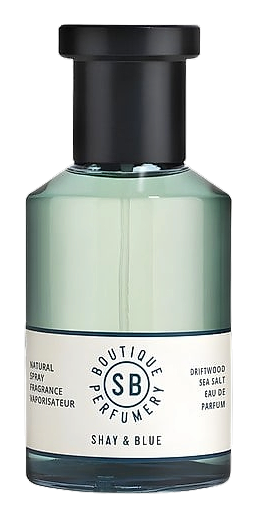
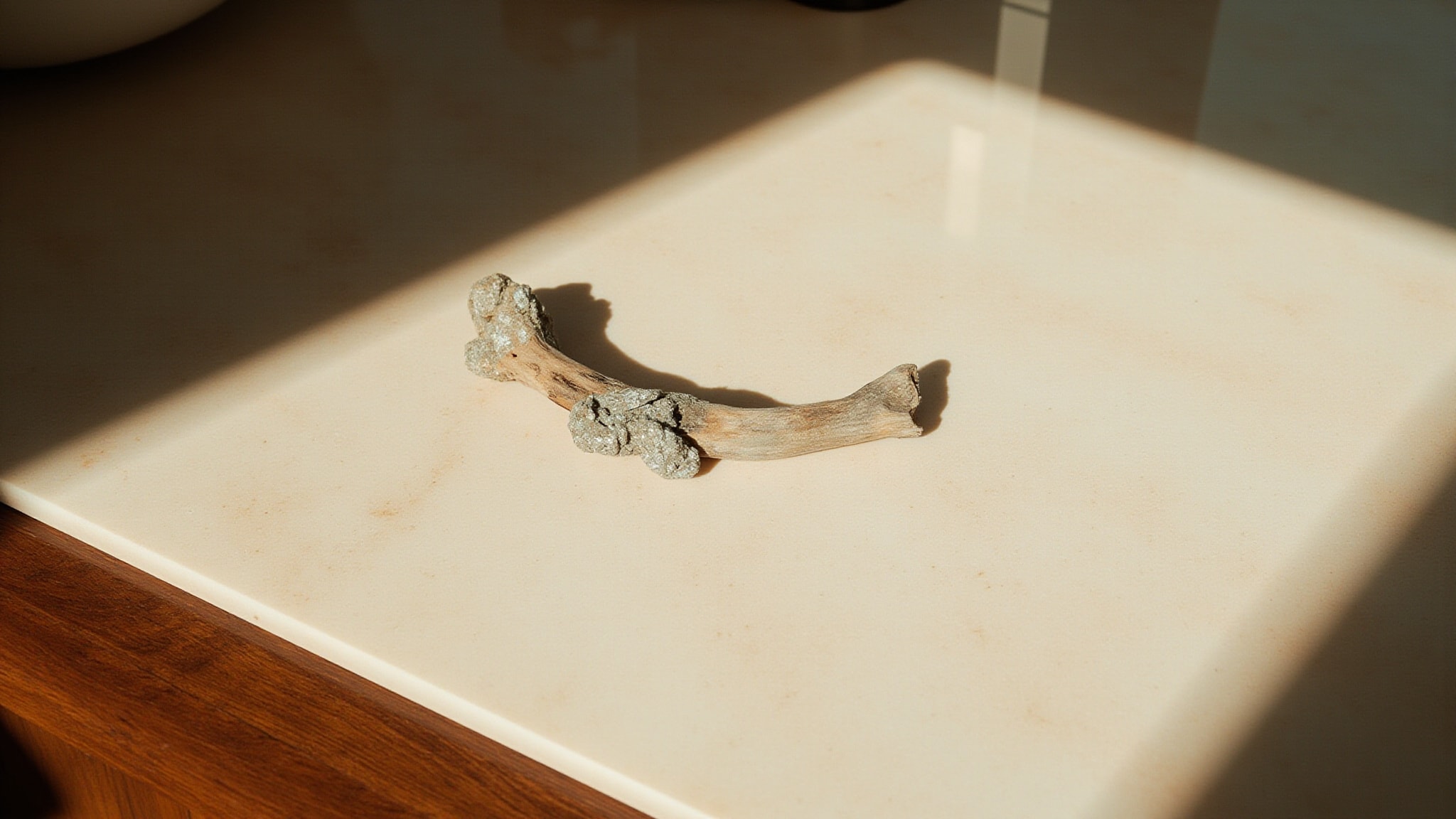
Julie Massé designed Driftwood Sea Salt around a single tension: salt and wood shouldn't work together. One is mineral, ephemeral. The other is dense, permanent. The brief was to make them occupy the same skin without either winning. Bergamot and pink pepper open the composition to keep things from getting too heavy too soon, the perfumer's way of creating breathing room before the driftwood settles in. Massé has worked in both fine fragrance and functional perfumery, a background that shows in compositions built for presence rather than announcement. The result is a fragrance that feels considered rather than calculated, where every material earns its place by serving the central idea rather than announcing itself. This isn't a beach holiday in a bottle. It's something quieter: the hour after you've left the water and you're still carrying the salt on your skin.
The note structure is unusual because marine fragrances rarely commit this hard to woody depth. Most compositions use aquatic notes as a top layer that evaporates, leaving something cleaner underneath. Here, the driftwood and moss are present from the heart onward, not waiting in the base, not playing backup. They're structural. The salt doesn't disappear after the opening; it evolves, merging with vetiver and sage to become something more mineral and less cartoonish. Seaweed or algae in the heart gives the marine element an edge that plain salt water can't achieve, it smells like the coast, not like a cleaning product.
The evolution
The opening lands bright and sharp, bergamot and pink pepper arrive together, but the sea salt is already there underneath, not waiting its turn. For the first twenty minutes the salt and citrus coexist in a kind of standoff, neither one dominating. Then the driftwood enters. Not softly. It pushes through the florals and takes position. The sage and vetiver arrive next, adding an herbal quality that keeps the salt from smelling clean or soapy, it reads as weathered instead. The heart holds for two to three hours, shifting gradually. The solar notes warm what was cool. The florals fade into the background. What remains is the core: salt fused to wood, mineral and dry. The drydown is where the fragrance earns its name. Driftwood, cedarwood, sandalwood, and moss settle into skin together, and the salt that opened the composition is still detectable, not as a wave anymore, but as a trace. A memory. On fabric, the wood and moss last longest, holding into the next day as a quiet, close warmth that never fully disappears.
Cultural impact
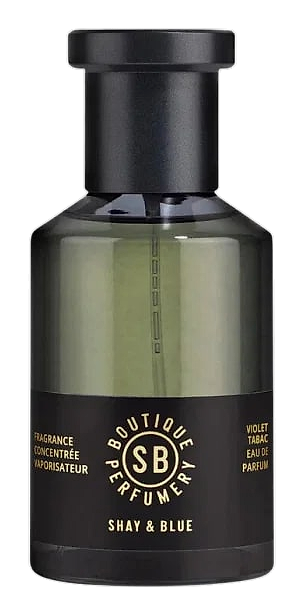
Marine fragrances tend toward one of two poles: fresh and aquatic, or warm and skin-like. Driftwood Sea Salt sits deliberately between them, using woody depth to ground what could have been a generic ocean scent. Shay & Blue's positioning has always favored the considered wearer over the performance chaser, and this composition continues that, it asks something of the wearer, rewards attention, and stays quiet in the room. The 2025 launch arrived at a moment when coastal fragrances have moved past novelty and into mainstream acceptance, but most still choose cleanliness over character. This one chose character.