The Story
Why it exists.
The beginning
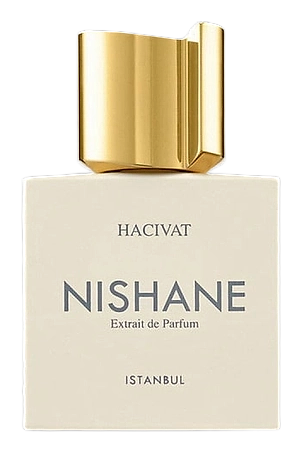
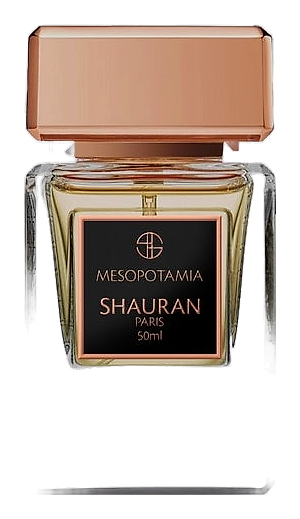
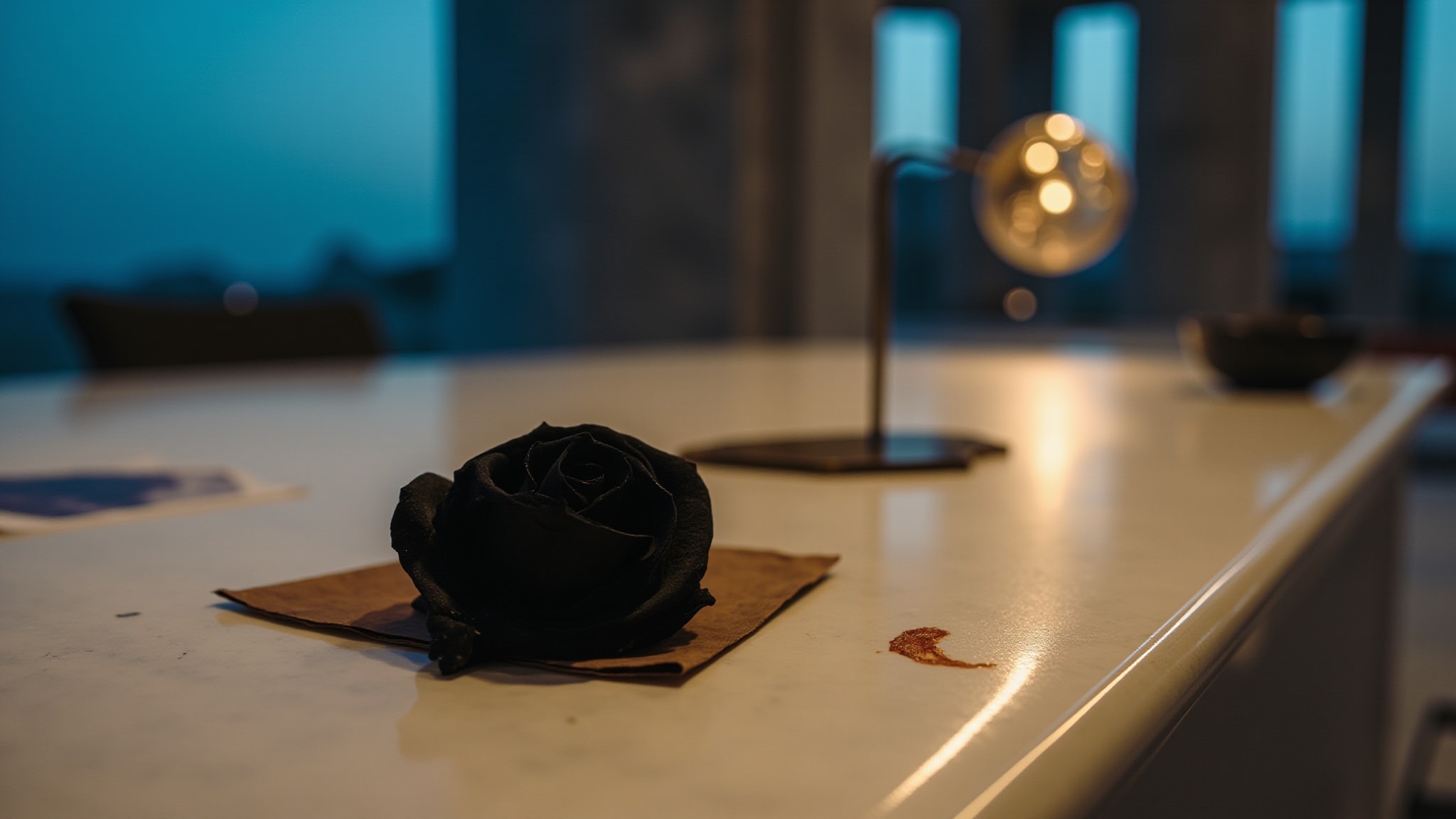
Mesopotamia carries a name that points toward one of the oldest chapters in human history, the land where rivers shaped cities and ritual probably met fragrance for the first time. Shauran placed rose at the center of this composition, letting the flower carry the weight of a region's deep association with scent and ceremony. The Turkish house treats each bottle as an attempt to render archaeological memory into a modern olfactory language. Mesopotamia reads as a tribute to that half-remembered starting point, the moment before perfumery had a name but already had intention. The brand's approach leans into texture rather than nostalgia, building the fragrance around a rose that does most of the talking.
The rose functions as the structural backbone of the entire composition, and the composition makes no attempt to disguise that fact. Rather than lifting the flower toward brightness or airiness, the fragrance pushes it downward, into denser, weightier territory. Pairing that singular floral against a base of ambergris, benzoin, moss, and musk creates a tension that most rose fragrances actively avoid. Most rose compositions aim for lift, for clarity. Mesopotamia pushes the opposite direction. It asks the rose to carry gravity it usually doesn't. The resinous anchor matters enormously here.
The evolution
The first hour belongs overwhelmingly to rose, but it arrives with a twist. Bergamot opens the composition with a brief, bright flick that gets swallowed almost immediately by the heavier florals underneath. That citrus flash matters because it gives the rose something to collapse against. The projection in this opening phase is present but restrained. It sits close enough to feel intimate, far enough to register when someone leans in. After about ninety minutes, the base materials begin asserting themselves. Benzoin arrives with a warm, vanillic sweetness, almost honeyed but without any honey's sticky quality. The rose doesn't vanish, it absorbs the change. Earth and sweetness fold inward, and the composition gains a quietly resinous warmth. This is where the fragrance separates itself from lighter rose work.
Cultural impact
Mesopotamia reads as a serious offering for collectors who already know what rose can do when it's allowed to carry weight rather than drift toward the bright and the fleeting. The fragrance uses rose as a structural material, not as a decorative gesture, and that choice sets expectations early. Anyone approaching this expecting a sheer, skin-level floral is approaching the wrong composition. What Mesopotamia delivers instead is a rose anchored by ambergris, benzoin, moss, and musk, a quartet that pushes the flower into resinous, almost incense-like territory. The result feels substantial without becoming inaccessible.