The Story
Why it exists.
The beginning
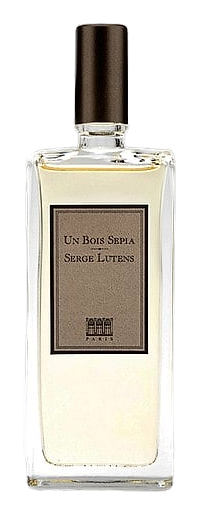
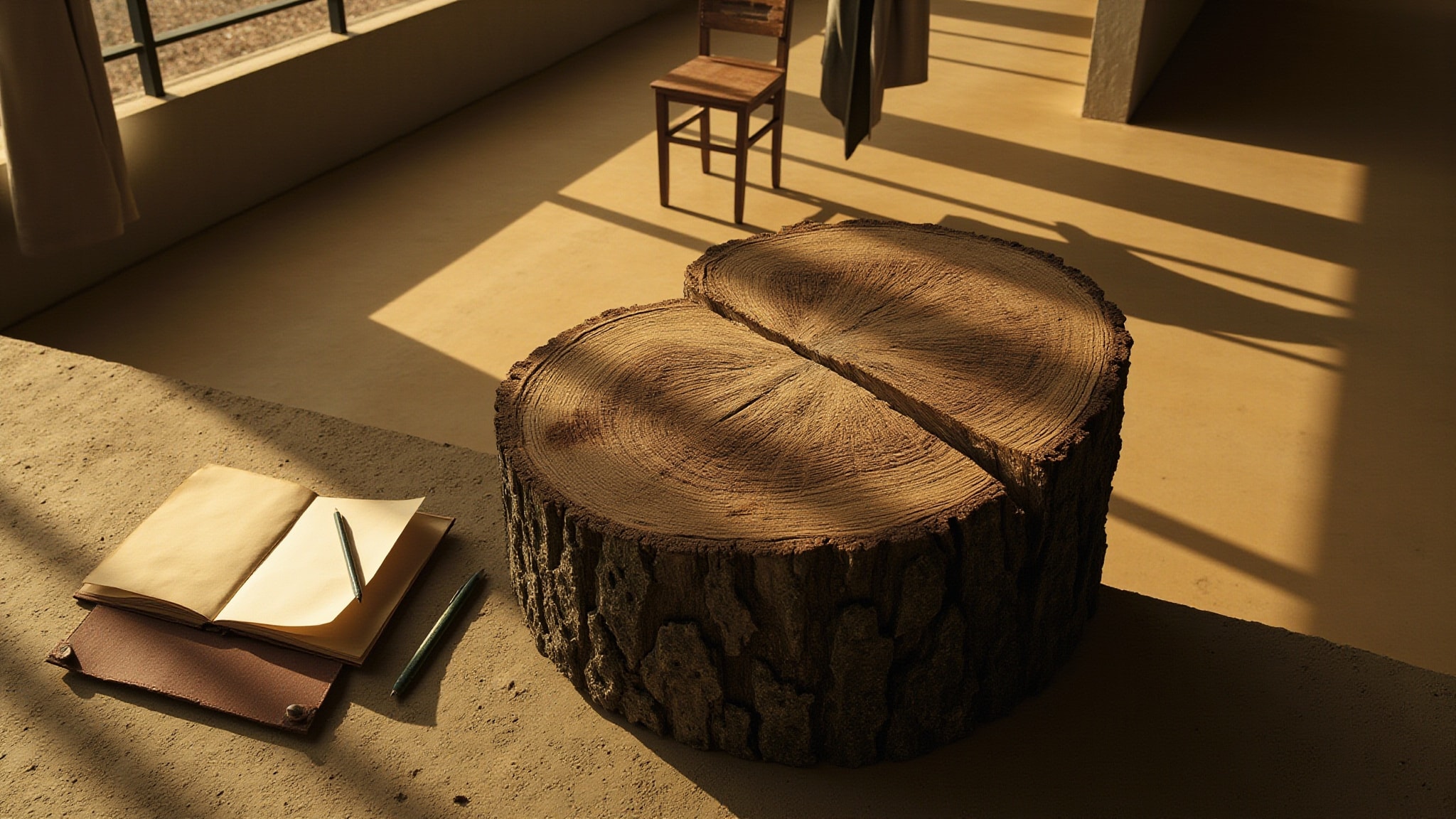
Un Bois Sepia arrived from Christopher Sheldrake, Serge Lutens' perfumer. Autumn was the guiding spirit, though autumn is not a season. It is a feeling. The moment the heat breaks and the light turns amber. The first walk when the air smells different. Sheldrake reached for cypress and vetiver, not as ingredients but as materials that carry memory. Cypress because it is green without being fresh, because it smells like a place you have been. Vetiver because it is earth without being soil, because it is the smell of roots pulled from cool ground. Sepia is the color of old photographs. It is the color of this fragrance: warm, faded, already past.
What makes Un Bois Sepia work is the tension between cool and warm. The cypress opens sharp and resinous, that distinctive Mediterranean green that reads as forest rather than perfume. Beneath it, vetiver carries damp earth and root, that specific autumnal quality of rain on warm soil. The opoponax adds a sweet, balsamic counterpoint that most people do not expect. Patchouli anchors the heart with its earthy, slightly bitter depth. Then sandalwood arrives in the drydown, creamy and warm, wrapping everything in a soft amber light that lingers close to the skin.
The evolution
The opening is cypress, bright, green, resinous. That distinctive Mediterranean character arrives first, crisp and a little sharp, like standing at the edge of a forest. Within minutes the vetiver rises, cool and earthy, carrying the smell of damp ground and roots. The patchouli deepens the composition, adding an earthy bitterness that keeps it grounded. The cypress does not disappear. It softens. The opoponax emerges around the second hour, sweet and balsamic, and the whole fragrance begins to warm. The drydown is where Un Bois Sepia earns its name. Sandalwood and opoponax settle into the skin, warm and close, like a memory that has already become feeling. The sillage projects enough to be noticed by someone standing near, while remaining intimate rather than announcing itself across a room.
Cultural impact
Un Bois Sepia is the autumn the rest of the collection does not quite have. Where other Lutens fragrances reach for drama, this one reaches for memory. The name alone earns attention: sepia is not a color, it is a process, the act of fading into something warmer and more specific. As part of the Flacons de table collection, it has remained in production without ever becoming a signature piece. That is its particular distinction. It is the fragrance you find when you have already learned to look. There is something accumulative about its appeal, something that rewards the patient nose over the eager collector.