The Story
Why it exists.
The beginning
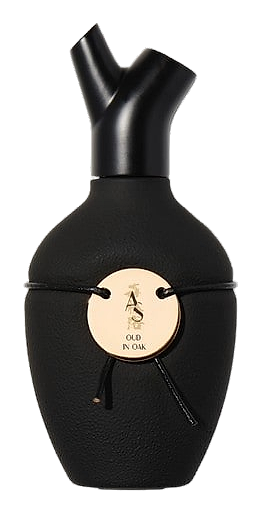
Oud in Oak was built around restraint, a counterintuitive move for a material known for its power. Perfumer Céline Barel understood that oud, handled badly, becomes a one-note demand. So she began elsewhere. The opening is grapefruit and cardamom, a citrus-spice brightness that catches you off guard before the depth arrives. Barel wanted the wearer to earn the oud, not be overwhelmed by it from the first breath. The barrel-aging process, central to everything Scents of Wood does, infuses the base with decades of layered character from oak that previously held whiskey and other spirits. That converted alcohol becomes part of the fragrance itself, not just a carrier. Oud in Oak doesn't introduce itself. It waits to be discovered.
The saffron-grapefruit combination is unusual in oud compositions. Typically, oud pushes in the opposite direction, dark, resinous, demanding. Here, the saffron adds its characteristic metallic warmth while the grapefruit cuts through, creating a bright-spice tension that few fragrances in this category attempt. The cistus absolute reinforces a dry, slightly animalic undertone that grounds the opening without heavying it. What makes this work is the barrel-aged cane alcohol. Scents of Wood's process transforms the base itself, organic cane alcohol macerates in pre-used oak barrels, absorbing complexity from previous spirits.
The evolution
The opening hits sharp, grapefruit zest cutting through the spiced warmth of cardamom and saffron. That saffron note carries its characteristic metallic edge, almost leathery, before the citrus fades and the darker materials take over. Within twenty minutes, the oud emerges from the shadows. Not aggressive, not screaming, just there, resinous and patient, the sandalwood softening its edges while the myrrh adds a faintly medicinal depth. The gurjan balsam brings a balsamic weight that anchors everything. An hour in, the composition shifts. The tonka bean absolute introduces a quiet sweetness that counterbalances the smoky labdanum, and the whole thing becomes powdery-warm, close to the skin. This is where it lives for the next several hours. The sillage drops to something intimate, you have to lean in to find it. The drydown lingers. Warm wood, a trace of smoke, the faintest animalic musk. On fabric the next morning, something still there.
Cultural impact
Niche oud compositions occupy a specific corner of the fragrance world, often expensive, often aggressive, often polarizing. Oud in Oak takes a different position: it's an oud for people who want depth without dominance. The barrel-aging technique is distinctive within the Scents of Wood collection and rare in broader perfumery, giving the fragrance a quality that justifies its community rating. Wearers describe it as the choice of someone who's moved past safe fragrances but isn't chasing shock value. It's a quiet recommendation in niche communities, the fragrance people mention when recommending something unexpected.