The Story
Why it exists.
The beginning
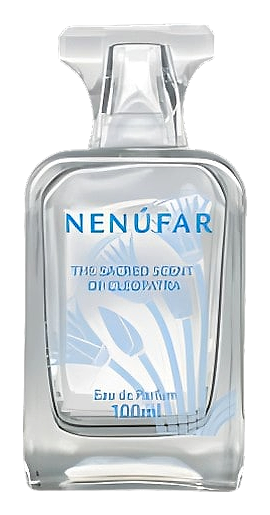
Nenufar was released in 2007 by Scents of Time, a house that approaches fragrance as historical reconstruction rather than trend-chasing. The name comes from the Spanish word for water lily, a deliberate nod to the flower the ancient Egyptians called sacred. David Pybus and Montserrat Moline, the Catalan perfumer behind the scent, reconstructed the blue lotus using scientific instrumentation to capture the flower's actual chemistry. This wasn't metaphor. The flower contained myristicin, a compound that Egyptians exploited by steeping petals in wine and drinking the result. The reconstructed scent distills that ritual into something wearable, temple-flower and cool water, captured and preserved.
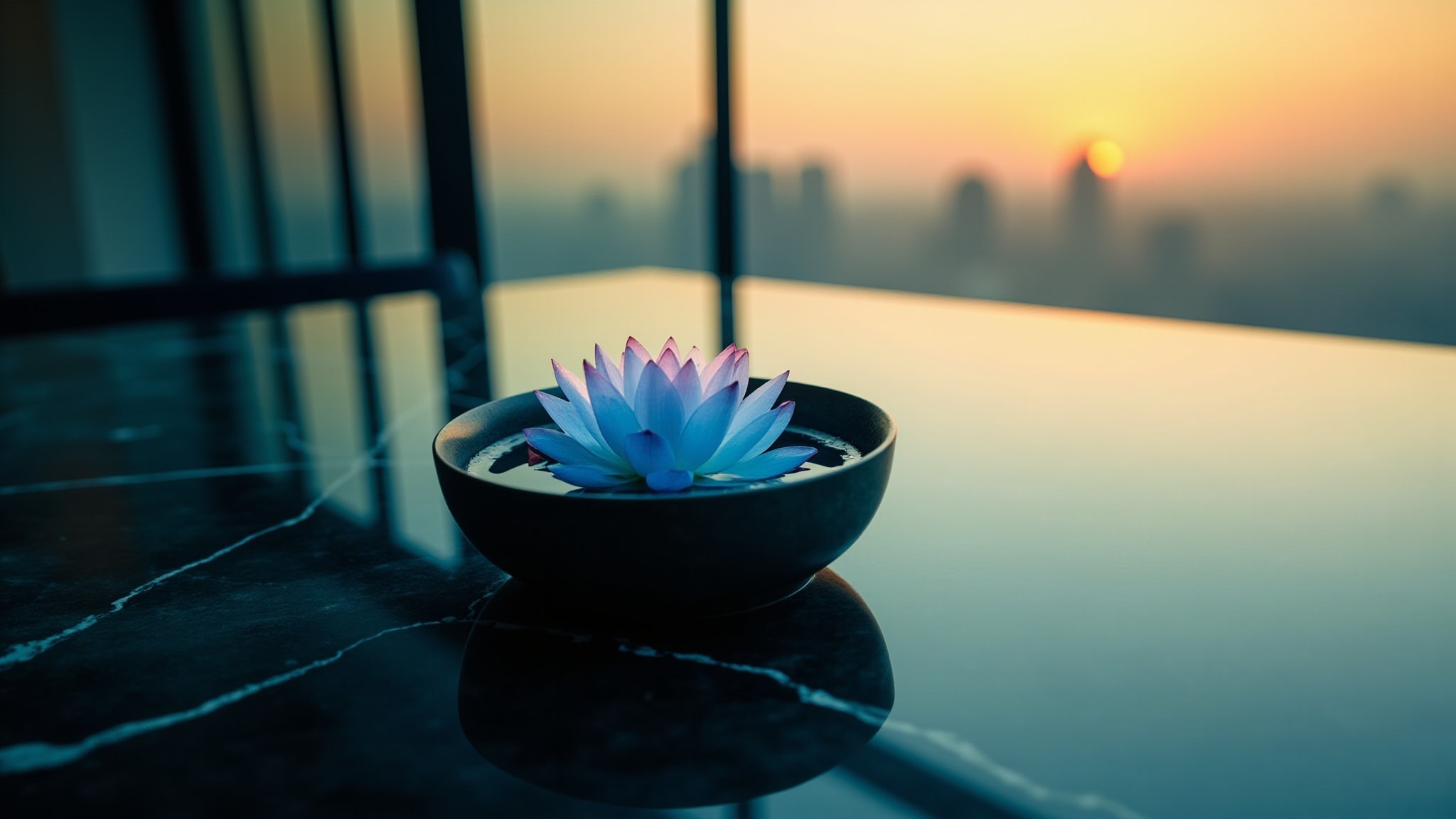
The blue lotus of ancient Egypt was no ordinary bloom. It floated on dark water, closed at night, opened at dawn, a plant that literally rose. The chemistry was unusual: myristicin, the same compound found in nutmeg, producing a scent that was floral, yes, but also slightly spiced, slightly heady. Scents of Time didn't just reference the lotus in name. They rebuilt its aroma from scratch, using the humble nutmeg spice as a chemical bridge, both contain myristicin. The result is a fragrance that smells like something ancient and botanical, not synthetic or metaphorical. Few houses in the 2000s were doing this kind of olfactory archaeology. Fewer still had the chemistry chops to pull it off.
The evolution
The opening is cool and aquatic, but not the ozonic punch of mainstream aquatics. Green notes arrive first, stems, not water. Angelica adds an herby, slightly medicinal quality. Nutmeg sparks beneath, keeping the aquatic from feeling sterile. This phase lasts about thirty minutes before the lotus takes over. And here is where Nenufar diverges from every generic aquatic on the market. The blue lotus reads translucent, almost numinous. It's not a watery white floral, it's the actual flower of ancient temples, reconstructed. Lily of the valley accompanies it, keeping the lotus grounded and cool. The transition is seamless. What shifts is the sweetness: from watery-green to temple-flower. The drydown softens into something powdery and warm. Heliotrope and almond create a marzipan effect. Sandalwood adds creaminess. Patchouli keeps everything earthed. Musk keeps it human, close to skin, intimate. Six to eight hours later, what remains is this: a powdery warmth that rewards proximity. Not announced. Discovered.
Cultural impact
Nenufar appealed to a specific collector: someone who wanted fragrance to mean something beyond trend. The house's approach was never mass-market, no celebrity endorsements, no splashy campaigns. Just reconstructed ancient flowers and a small audience who understood what that meant.
The House
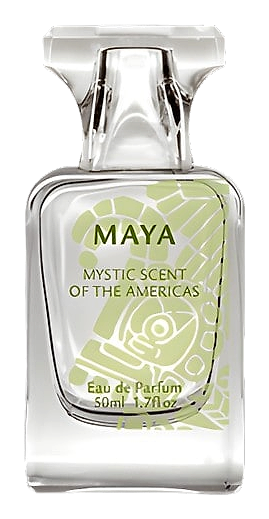
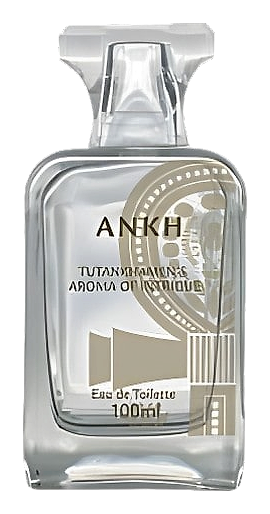
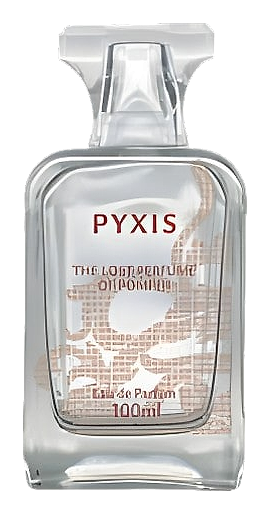
Scents of TimeScents of Time is an independent fragrance house that has produced several distinct scents across the early 2000s, including Night Star (2001), Ankh (2008), and Pyxis (2008). The brand has released notable fragrances such as Nenufar in 2007 and Maya in 2009, suggesting a consistent creative output during that period. Publicly verifiable information about the brand's origins, founding team, and current operations remains limited. The available product data indicates a focused portfolio of fragrances with names drawing from diverse cultural and celestial references, from Egyptian symbolism to astronomical terms.
The Creator
David Pybus & Montserrat MolinePybus works primarily with ancient and historical materials, reimagining ingredients that perfumers used millennia ago. His reconstructions require both scientific rigor and creative intuition, as he translates fragmentary historical evidence into cohesive scent compositions.