The Story
Why it exists.
The beginning
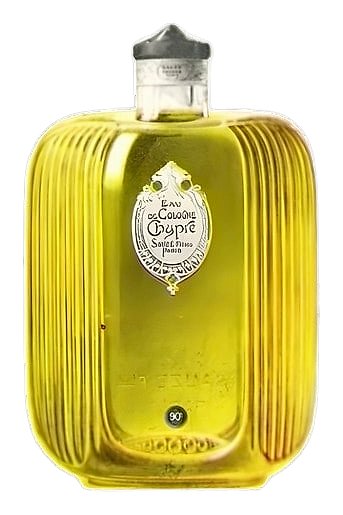
Chypre de Sauzé was launched in 1910 with a focused catalogue built around the chypre structure. Bergamot and lemon provide the opening sparkle, while lemon verbena adds a green, herbal lift. Jasmine, rose, and orris root introduce floral and powdery warmth, and oakmoss, cedar, and musk create the rooted finish. No perfumer is credited in the available records, so the documented construction is best understood through its notes: bright citrus at the top, a floral middle, and an earthy base that gives the composition its depth.
What makes this chypre worth examining is the clean tension inside it. Bergamot and lemon bring light, familiar brightness. Lemon verbena adds an herbal edge, less polished and more reminiscent of crushed leaves. Jasmine, rose, and orris root soften that opening with white floral and powdery warmth, while oakmoss, cedar, and musk give the composition its rooted finish. It is a classic architecture rather than a novelty: bright materials at the top, a restrained floral center, and an earthy base that changes the meaning of the citrus.
The evolution
The first impression is brisk and green, with bergamot and lemon cutting cleanly through the herbal character of lemon verbena. That brightness then softens as jasmine, rose, and orris root settle in, replacing lemon sharpness with a smoother floral warmth. The decisive turn comes later, when oakmoss and cedar draw the composition downward. The citrus doesn't vanish, but it becomes part of something darker and more mineral, while musk keeps the trail soft against skin. Community longevity ratings give the composition a strong showing, but the exact duration can vary with skin and application. By the final hours, it feels less like fresh citrus and more like polished earth with a pale floral memory, a quiet continuation of the morning rather than a dramatic farewell.
Cultural impact
Chypre de Sauzé is identified as a unisex chypre launched in 1910. Its note structure combines lemon verbena's herbal clarity with jasmine, rose, and orris root, then settles into oakmoss, cedar, and musk. The name reflects the chypre category's association with Cyprus, while the listed notes document the fragrance's movement from bright citrus and green herbs into floral warmth and an earthy, woody finish.