
The Story
Why it exists.
The beginning
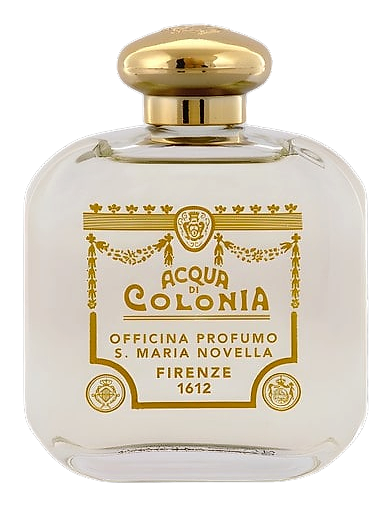
Muschio (Musc) is a study in restraint from a house that has built its reputation on a specific kind of patient craft. Santa Maria Novella is one of the oldest names in fragrance, and the brand's approach treats botanical perfumery as a continuation of a much older tradition, where plants and resins were prepared with the same care given to anything meant to be kept and used over time. The name itself means nothing more than it promises: musk. The composition distills one of perfumery's oldest materials into its most comforting form, drawing on a powdery, slightly sweet register that feels less like a modern creation and more like a recipe passed down and quietly improved.
What makes this particular musk worth noticing is what the house leaves out. No sharp citrus to cut through, no heavy woods to anchor it, no oud or tobacco shouting from the base. Just musk and powder, the way perfumers understood musk before the 20th century turned it into a synonym for synthetic white laundry sheets. The formula trusts the material to do the talking, which is a quietly radical choice in a market addicted to complexity. It's the difference between a single herb steeped in hot water and a cocktail designed to impress. Both work. Only one asks you to slow down.
The evolution
Muschio opens the way clean skin does, before anything has been applied. A faint sweetness, almost edible, like powdered sugar dissolving in warm cream. The opening feels sheer and close, the musk reading more as warmth than as scent. Once the powder settles, it gives the composition a slightly soapy, almond-skin quality that smells familiar, like a linen closet in a stone house. There's no sharp turn here, no reveal. The heart is the opening, only softened, and the musk gains a faintly animalic edge that stops it from feeling sterile. Through the first hours, the drydown establishes itself: a creamy, skin-like musk that hovers and refuses to leave. Projection stays intimate. On fabric the next morning, it reads as a clean warmth, almost like a trace of cocoa butter, the kind of ghost scent that makes someone lean closer without knowing why.
Cultural impact
Muschio sits in a category of its own: a musky, powdery composition that feels deliberately anachronistic, a scent designed for wearers who want their fragrance to feel inherited rather than acquired. It appeals to a specific sensibility, the kind of person who values restraint over statement-making and finds more pleasure in a well-worn scent than in something new each season. The composition is warm and approachable without being forgettable, balanced in a way that makes it easy to wear daily and hard to pin down with a simple descriptor.