The Story
Why it exists.
The beginning
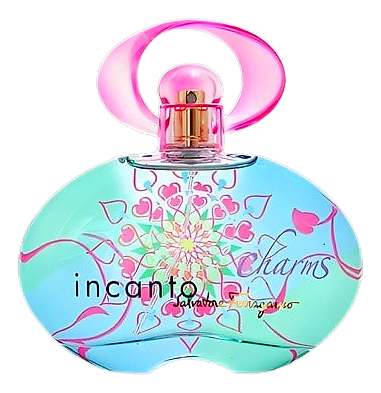
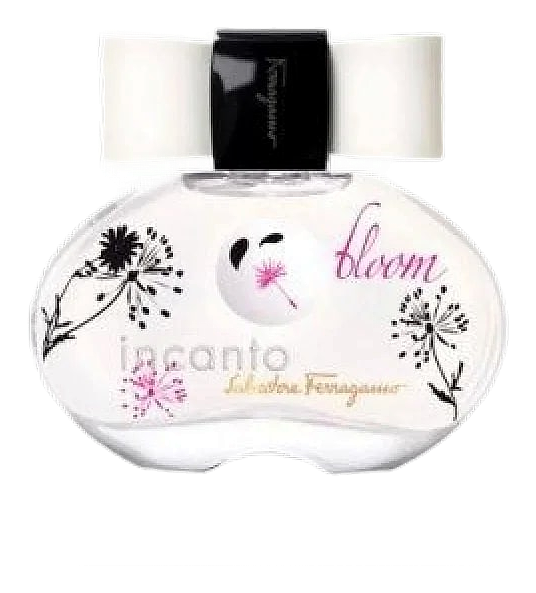
Incanto Bloom arrived in 2014 as a continuation of Ferragamo's Incanto line, a collection built around the idea of color and transition. Sophie Labbé, the nose behind the composition, approached this fragrance as an exercise in contrast, taking the familiar vocabulary of floral fruity and pushing it somewhere cleaner, more deliberate. The 2014 release marked a visual refresh of the original 2010 bottle, swapping the packaging to a romantic pink with dandelion illustrations, reflecting the brand's framing of Incanto Bloom as a fragrance about maturation, about the moment between girlhood and something more complex. Labbé's brief wasn't about statement or spectacle. It was about a specific kind of presence.
What makes the structure interesting is the tension between the white florals and the cashmere wood base. Freesia is often used as a bridge note, but here it opens the composition and holds the foreground for a solid thirty minutes, something you don't always see in mainstream florals. The tea rose and champaca combination adds a slightly herbal, almost green dimension that keeps the sweetness from becoming syrupy. And the cashmere wood, a synthetic material known for its soft, skin-like warmth, does the quiet work of making everything feel worn rather than sprayed. That's the trick: a fragrance that smells like it belongs to you by the second hour.
The evolution
The opening is all brightness. Grapefruit blossom and freesia arrive together, citrus-forward but softened, like morning light through a thin curtain. This phase holds for roughly thirty minutes before the rose takes over, not a heavy damask, but a lighter tea rose that smells slightly green at the edges, with the champaca adding an exotic, almost ylang-adjacent warmth underneath. The raspberry note, while sometimes listed as a heart material, reads more as a textural element here, a subtle sweetness that keeps the florals from going austere. By the second hour, the florals begin to recede and the cashmere wood emerges, wrapping everything in something soft and skin-close. The musk anchors the drydown, which settles into a clean, intimate warmth that lingers for another three to four hours on most skin types. It doesn't announce itself at the end. It just stays.
Cultural impact
Incanto Bloom arrived in 2010 as Salvatore Ferragamo made a deliberate move to position itself as a serious fragrance house rather than merely an accessories brand. The launch represented a calculated step into the competitive mid-range floral market, competing against established players like Marc Jacobs and Dolce & Gabbana. By 2014, Ferragamo confirmed the fragrance's success with a visual refresh while keeping the formula intact, signaling that the original composition had struck a chord with consumers seeking accessible, wearable florals. The early 2010s marked a broader industry shift away from heavy orientals toward lighter, fresher compositions, and Incanto Bloom embodied this transition.