
The Story
Why it exists.
The beginning
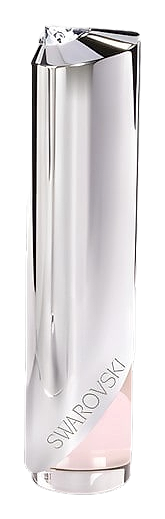
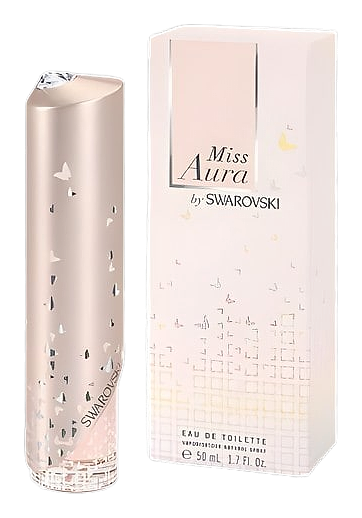
Miss Aura arrived in 2013 as the second fragrance in Swarovski's Aura collection, following the brand's 2010 entry into perfumery through Clarins Fragrance Group. Perfumer Véronique Nyberg built this one on a simple proposition: tropical fruit and rose, but with something earthier underneath. The top notes bring lychee and pink grapefruit, sharp enough to catch attention, while the heart leans into butterfly bush alongside rose absolute, a botanical pairing that gives this its particular character rather than defaulting to something safer.
The butterfly bush, also called buddleia, is an unusual choice for a commercial fragrance. It brings a sweet, almost honeyed quality that blends with the rose absolute rather than competing against it, the two heart notes reinforce each other, creating a fuller floral presence than either would deliver alone. At the base, patchouli and vetiver pull the composition toward earth and subtle spice, preventing the fruity-floral opening from drifting into something too lightweight. It's a structure that rewards wearing rather than just sniffing, the drydown is where the composition earns its name.
The evolution
The opening hits quickly: lychee and pink grapefruit arrive together, the grapefruit providing the citrus bite while lychee softens it with something rounder. Ivy sits underneath, adding green freshness that keeps the top from feeling syrupy. This phase lasts maybe 30 minutes before the handoff begins. Butterfly bush and rose absolute emerge next, taking over the composition as the fruit notes recede. The transition isn't dramatic, it's more like a conversation passing from one speaker to the next. Patchouli and vetiver arrive last, grounding the florals with something darker and earthier. The drydown stays close to skin, intimate rather than projecting. You catch it in the morning after applying the night before, warm, quietly present, the rose and vetiver holding on while the sparkle has long since faded.
Cultural impact
Miss Aura arrived in 2013 during the peak of the fruity-floral trend in accessible luxury perfumery, when brands across every price tier were releasing fruity compositions targeting younger consumers entering the fragrance market. Swarovski's entry into beauty positioned crystal-inspired glamour within reach of a broader audience, democratizing the sparkle and luxury aesthetic the brand represented in jewelry. The Aura collection marked a deliberate strategy to extend brand loyalty from accessories into personal care, a common move for heritage fashion houses. The inclusion of butterfly bush as a heart note was unusual for mass-market releases, representing a subtle push toward niche-inspired complexity in commercial fragrance.