Butterfly bush
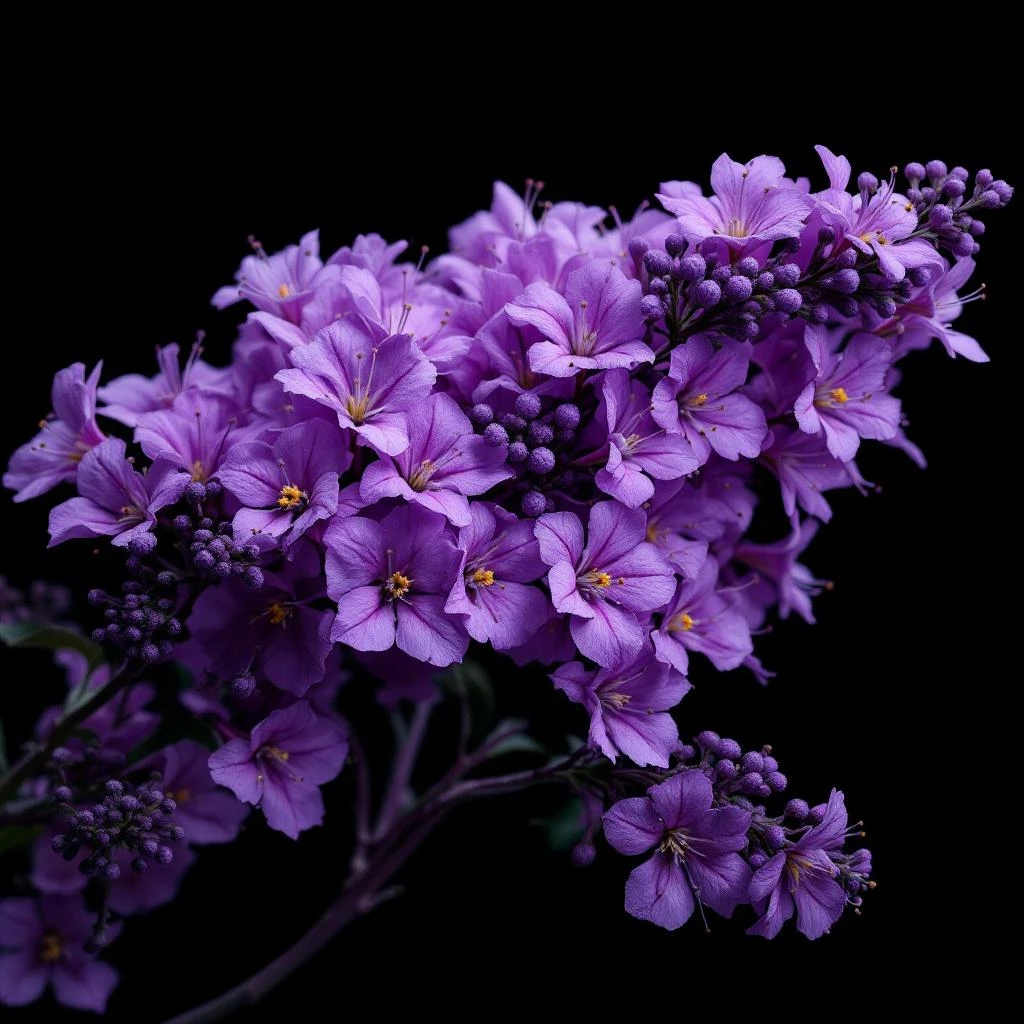
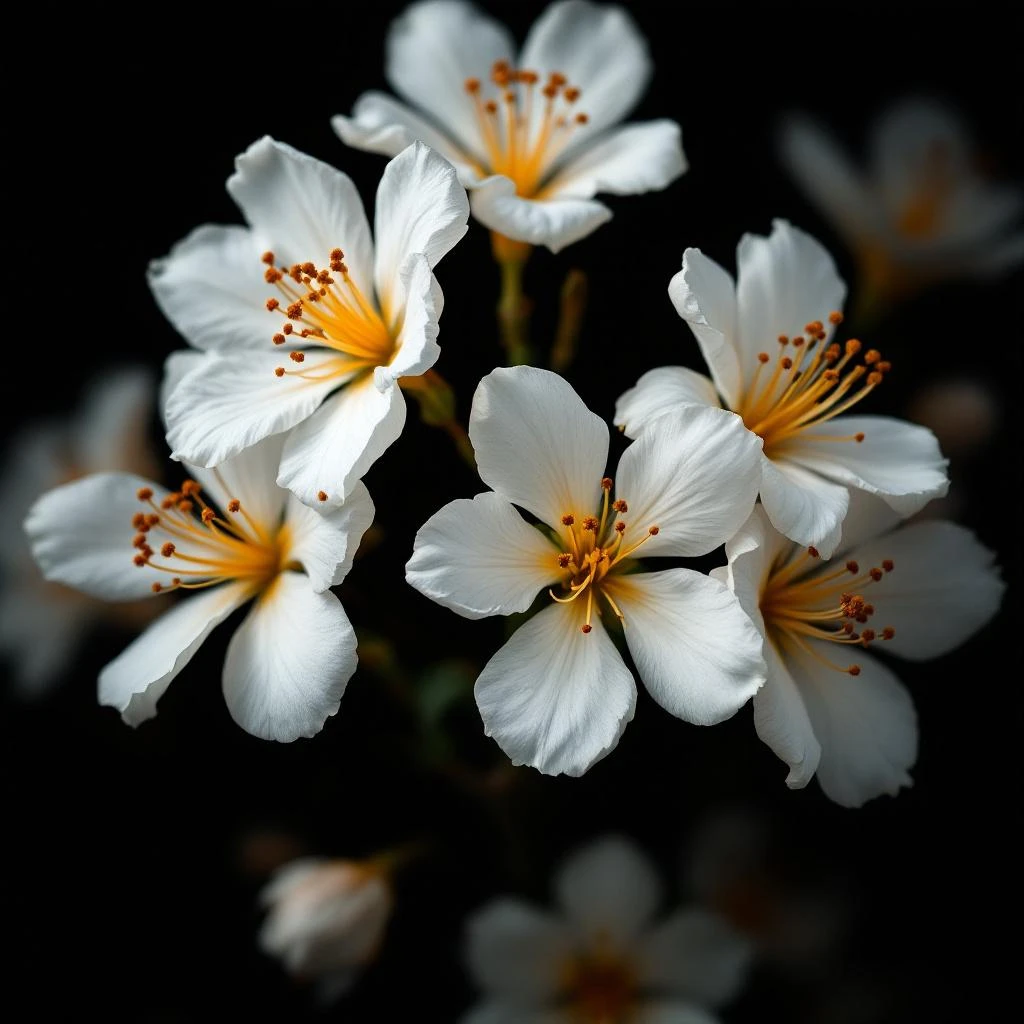
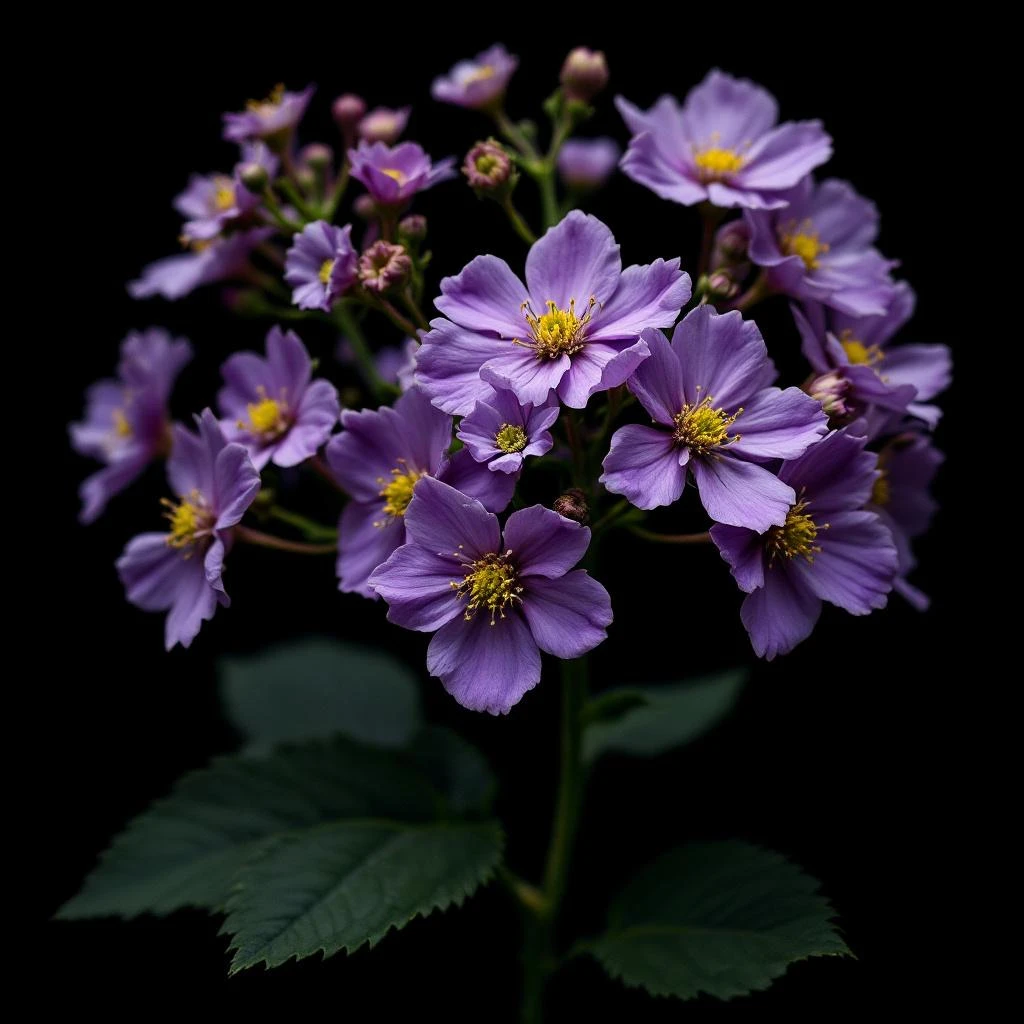
Butterfly bush, known as Buddleja davidii, offers a bright, honeyed aroma that blends citrus zest with soft green undertones, making it a versatile accent in modern fragrances.
Character
How it smells
Bright honey‑citrus from the garden’s favorite pollinator magnet.
A single Buddleja shrub can attract up to 200 butterflies per day, and its flowers release a scent that intensifies at dusk, a trait perfumers exploit for evening‑type compositions.





Origin
South Africa
Botanists trace Buddleja davidii to southern Africa, where early travelers noted its profuse blossoms and butterfly‑drawing power. By the late 1800s, the plant reached Chinese gardens and soon after entered European horticulture as an ornamental favorite. Perfumers first recorded the flower’s scent in a French atelier catalog of 1913, praising its ability to lift heavy floral accords.
Throughout the 20th century, the note appeared sporadically in niche blends, valued for its bright, honey‑citrus character. In the 2000s, sustainable farming in South Africa revived interest, and modern houses now feature butterfly‑bush hydrosol in both natural and synthetic compositions, highlighting its timeless appeal.
Wears it best
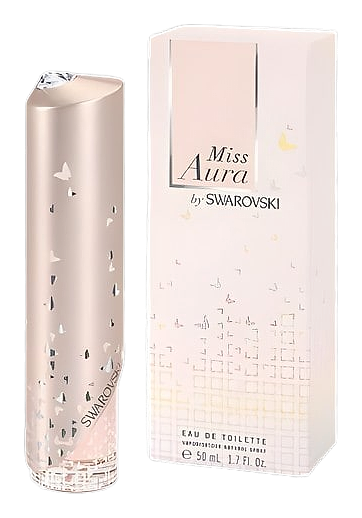
Fragrances featuring Butterfly bush
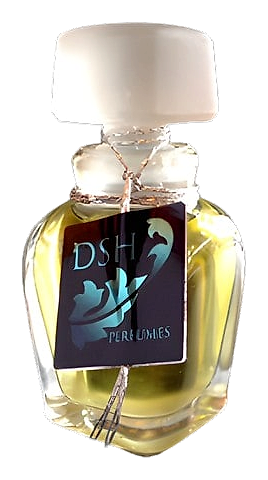
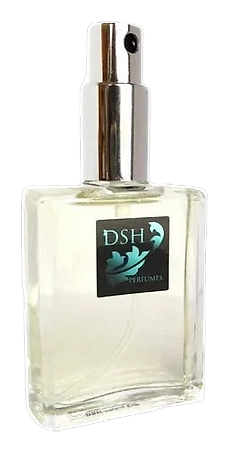
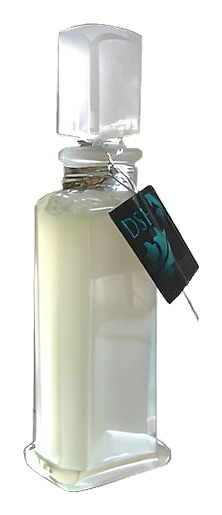
Brands
Brands known for Butterfly bush
Good to know
Questions, answered
The essentials on Butterfly bush in perfumery: how it smells, where it comes from, and how it behaves on skin.
What part of the butterfly bush is used in perfumery?
Perfume makers use the fresh flower buds of Buddleja davidii. The buds contain the volatile oils that carry the signature scent. In 2022, the International Fragrance Association recorded 1,200 kilograms of butterfly‑bush buds harvested for aroma extraction each year.
How is the butterfly bush fragrance extracted?
Steam distillation captures the delicate butterfly‑bush hydrosol. The process passes saturated steam through fresh blossoms, then condenses the vapor into a clear liquid rich in aromatic compounds. A 2021 study measured a 0.12% yield of essential oil by weight, confirming the method’s efficiency.
What scent profile does butterfly bush provide?
Butterfly bush delivers a bright, honey‑sweet opening that quickly reveals green, leafy nuances and a faint citrus edge. The aroma registers strong linalool and phenylethyl alcohol levels, which create the fresh character. In a 2019 GC‑MS analysis, linalool accounted for 22% of the volatile fraction.
Is butterfly bush used in natural or synthetic forms?
Both natural extracts and synthetic analogues of butterfly‑bush exist. Natural hydrosol supplies a subtle, water‑based note, while synthetics replicate the key aroma molecules for consistency. In 2020, synthetic linalool accounted for 68% of the total butterfly‑bush scent material used in commercial blends.
When did perfumers first adopt butterfly bush?
Perfume houses introduced butterfly‑bush in the early 20th century, attracted by its ability to brighten floral accords. The 1913 catalog of a French atelier listed Buddleja absolute as a novel accent. That same year, the atelier recorded a shipment of 45 kilograms from a garden in southern France.
Which regions produce the highest quality butterfly bush material?
The most prized butterfly‑bush material comes from the high‑altitude gardens of the Drakensberg in South Africa. The cool nights preserve volatile oils, yielding a richer scent profile. In 2018, a regional survey measured an average oil concentration of 0.15% in Drakensberg harvests, higher than the 0.09% typical elsewhere.
Does butterfly bush have any therapeutic properties?
Butterfly‑bush extracts exhibit mild antiseptic activity and are used in traditional skin remedies. Laboratory tests show a 12% reduction in bacterial growth against Staphylococcus aureus at a 2% concentration. In a 2017 clinical trial, participants reported smoother skin after a two‑week topical application.
How sustainable is butterfly bush cultivation?
Cultivating Buddleja davidii requires minimal water and thrives on marginal soils, making it a sustainable source for fragrance. Farmers harvest only the blossoms, leaving the plant to regenerate each season. A 2021 sustainability report recorded a 35% lower carbon footprint for butterfly‑bush compared with rose absolute production.