
The Story
Why it exists.
The beginning
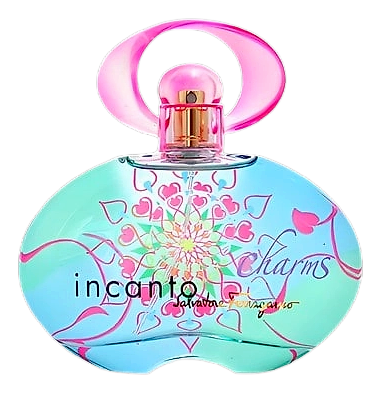
Incanto means enchantment in Italian, and that's precisely what this fragrance sets out to cast. Created by perfumer Béatrice Piquet in 2006, Incanto Charms arrived as Ferragamo's move into accessible luxury: the house's architectural precision translated into something you could wear every day. The tropical-fruity notes of passion fruit and honeysuckle marked a deliberate shift away from the restraint typically associated with Italian craft, choosing exuberance and openness instead. This was charm distilled into scent form.
The passion fruit and honeysuckle pairing is the composition's most interesting choice, and its riskiest. Both notes can veer into the generic, the kind of sweet that announces itself as "fruity floral" before you've even smelled it. Piquet's decision to open with honeysuckle, not citrus or green notes, gives the fragrance a heady floral sweetness that distinguishes it from the pack. The white florals that follow, rose and jasmine, don't amplify the sweetness. They temper it, adding elegance and a classic feminine structure that prevents the whole thing from tipping into saccharine territory.
The evolution
The opening hits fast and tropical, passion fruit's bright, almost acidic sweetness arrives first, followed quickly by honeysuckle's heady floral warmth. Together they create a sweetness that grabs attention without screaming. Within the first hour, the white florals take over. Rose and jasmine arrive not as a louder statement but as a softening, the tropical brightness doesn't disappear, but it settles, becomes comfortable. The drydown is where Incanto Charms shows its hand: a light woody-musky base that stays close to the skin, intimate and unobtrusive. Four to six hours of wear means it's made its impression by the time it fades. Not a fragrance that lingers for hours in empty rooms, but one that leaves a light, pleasant memory.
Cultural impact
The 2006 launch positioned Incanto Charms as Ferragamo's entry into accessible luxury, a house known for restraint choosing exuberance instead. It became a quiet staple in the Asia-Pacific market, where fruity-florals remain popular. The combination of tropical notes with Italian polish gives it a distinctive character: bright and youthful without tipping into synthetic sweetness.
The House
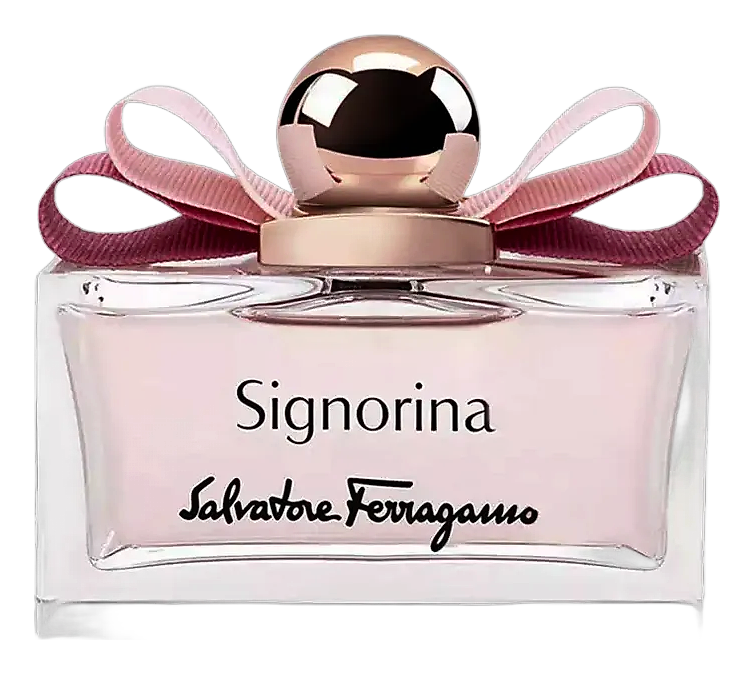
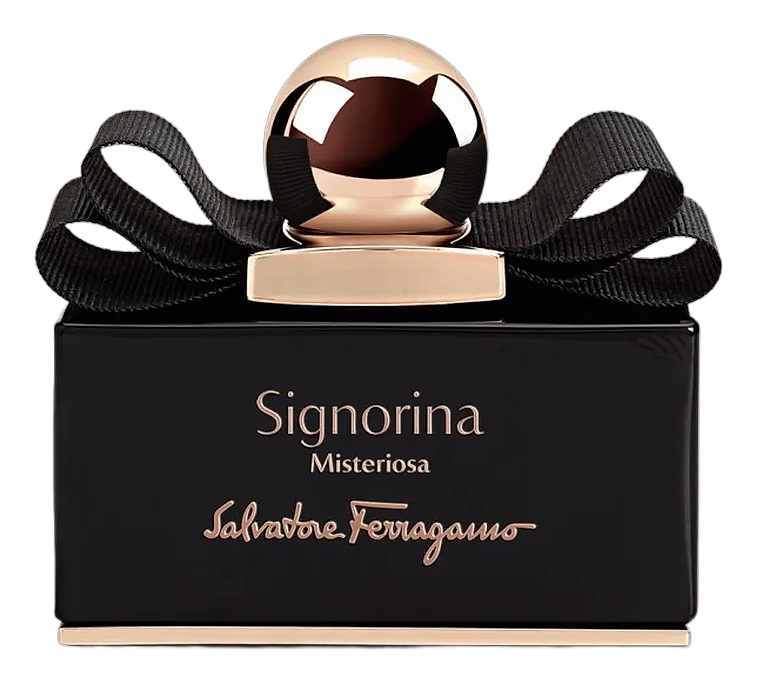
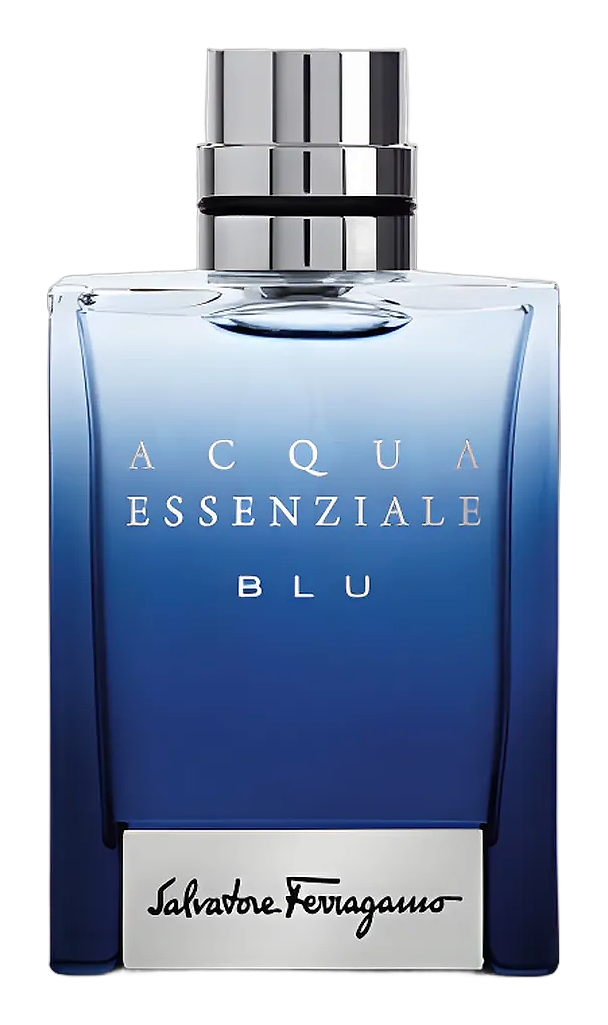
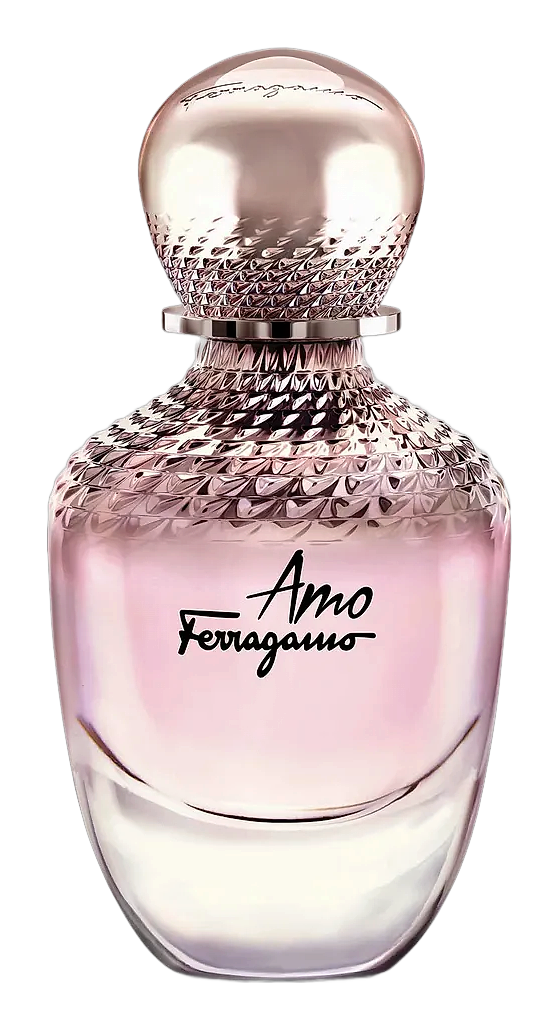
Salvatore FerragamoSalvatore Ferragamo is an Italian house best known for its shoes, but its fragrance portfolio has grown into a distinct line of scented expressions. Since the early 2000s the brand has released dozens of eau de parfums that echo the same attention to balance and proportion that defined its footwear. The scents range from the bright citrus of White Mimosa (2014) to the woody depth of Arte Orafa (2022), each positioned as a modern interpretation of classic Italian style. Ferragamo’s perfume collection is sold worldwide through boutiques, department stores and the brand’s own online shop, offering both everyday wear and limited‑edition releases for collectors.
The Creator
Béatrice PiquetThe signature of Piquet’s work lies in precise structure and daring contrast. She favors crisp top notes such as bergamot, pink pepper, or red berries, then anchors them with warm woods, amber, or resinous bases.