
The Story
Why it exists.
The beginning
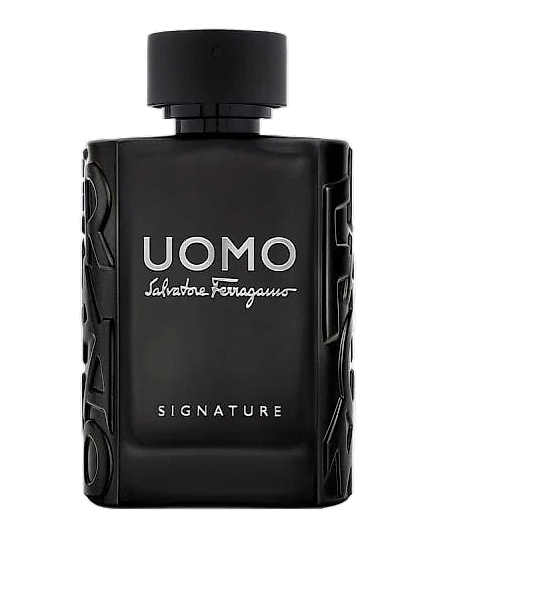
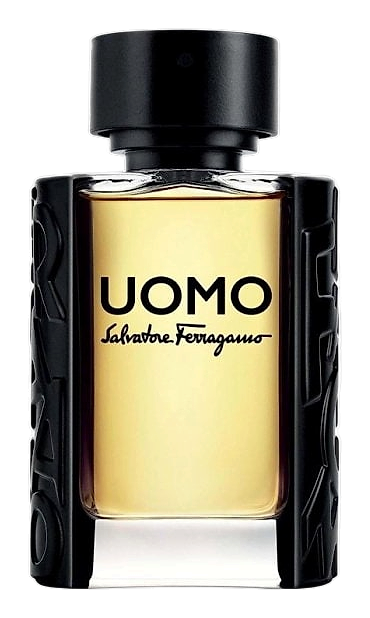
Ferragamo Uomo arrived in 2016, drafted by Alberto Morillas with co-credit to Aurélien Guichard, and named with one word doing all the work it can: Uomo. The Italian for man, stripped of adjectives, left to do its own heavy lifting. Morillas, a perfumer whose CV reads like a roll call of modern fragrance history, brought his signature architecture to the brief. What came back was tiramisu, sitting in the middle of a masculine spicy-woody spine like a dinner guest who refused to follow the dress code. The accord reads almost edible at first spray, dense with the layered warmth of espresso-soaked sponge and mascarpone's soft creaminess, but it never crosses into confectionery.
The note list itself explains the audacity. Tiramisu is rendered through coffee, cocoa, vanilla and cream-adjacent molecules working in concert, a gourmand sketch built from familiar kitchen signals rather than any single extracted material. Placing it alongside cardamom and black pepper in the opening, then pairing it with ambroxan and orange blossom at the heart, signals a composition where the sweetness gets pushed up against something sharper at every turn.
The evolution
The first thirty minutes belong to the spice. Cardamom leads, green and almost mentholated, with black pepper threading through it like static. Bergamot flits at the edges, bright but brief. Then the tiramisu surfaces, and the whole thing pivots from aromatic to edible in what feels like a single breath. Ambroxan stretches underneath, giving the cream its mineral lift, and orange blossom adds a slightly powdered softness. The drydown is where Ferragamo Uomo shows its patience. Tonka bean wraps in, cashmere wood softens every edge, and sandalwood grounds the sweetness into something quieter. Eight to ten hours later, what clings to a shirt collar is the soft woody whisper, the vanilla-tonka remnant, a trace of ambroxan still pulsing underneath. It doesn't project hard at the end. It just stays.
Cultural impact
Ferragamo Uomo wears like a man who wants comfort without asking permission. The fragrance has drawn attention for its warmth, offering something cozier than a fresh citrus without tipping into the louder, more synthetic blue-fragrance territory. Its tiramisu accord has been a frequent point of comparison in discussions of dessert-leaning releases, often mentioned alongside more accessible gourmands that attempt a similar sweetness-at-low-cost formula. Wearers tend to reach for it in cooler months, when the vanilla and cocoa read as insulation rather than heaviness, and the ambroxan keeps the whole thing from collapsing into pure sugar.