The Story
Why it exists.
The beginning
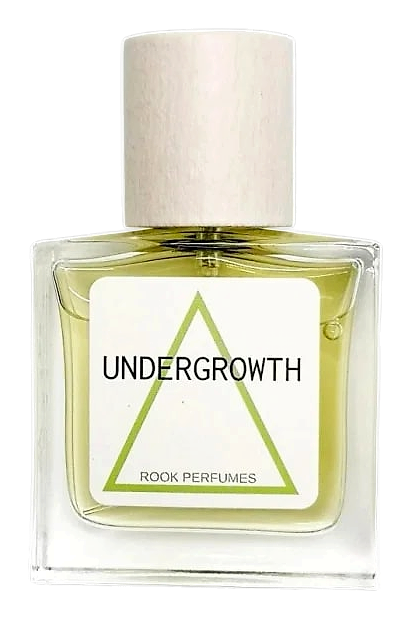
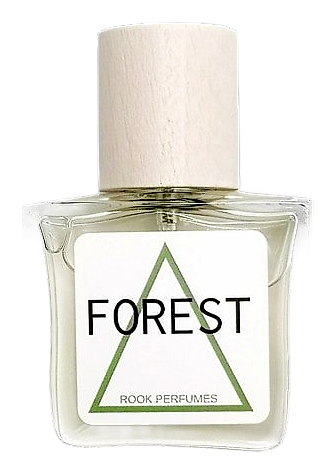
Forest arrived in 2018 as Rook Perfumes' opening statement. The brand's founder, Dr. Nadeem Crowe, works in NHS emergency medicine while maintaining a separate career as a West End performer, two disciplines built on precision, instinct, and working under pressure that doesn't wait. When he turned to fragrance, that dual identity shaped everything. Forest isn't conceptual. It's a walk through a specific place, dry coniferous woodland, the kind that smells of needles and heat held in bark, where the air stays cool even in summer. The name is literal. The notes are literal. Crowe built Forest around what he knows: the meditative quality of natural spaces, the way a forest doesn't perform for you but will let you in if you slow down.
The structure holds a tension worth understanding. The top opens sharp, pine, black pepper, a quick cut of grass. The heart is where Forest earns its name: cannabis and patchouli settle in beside incense, and for a moment the fragrance could tip into something medicinal, something harsh. It doesn't. The hemp note reads as green, organic, alive, not as a party trick. It grounds the composition in honesty rather than ambition. The base does the quiet work: cedar and white musk that don't announce themselves. This is a fragrance that stays close, that lingers without projecting. The performance data, above-average longevity, moderate sillage, reflects a scent designed for the wearer first.
The evolution
The opening hits immediately. Pine resin cuts through the top, sharp, bright, almost astringent. Black pepper adds a bite that keeps the conifer from reading as cleaning product. For the first fifteen to twenty minutes, Forest announces itself clearly. Then the green takes over. The heart arrives not as a replacement but as a shift in atmosphere. Incense and hemp move in alongside patchouli, and the composition stops being about sharpness and starts being about depth. The smoke curls without dominating. The cannabis note threads through the conifer rather than fighting it. If you've ever walked into a forest after rain and noticed how the air goes quiet and heavy, that's this phase. The drydown arrives around the two-hour mark and doesn't let go. Cedar settles into skin-warm musk, and what lingers is the quietest version of the forest, bark, resin, the memory of green. On fabric, this fragrance can last into the next day. On skin, six to eight hours with a sillage that stays intimate rather than filling a space. The base notes don't evolve dramatically.
Cultural impact
Forest sits comfortably within the niche fragrance movement's turn toward authenticity, fragrances that smell like their names rather than like idea versions of their names. In a landscape where conifer and forest notes often appear as supporting players in warmer compositions, Forest makes the woodland itself the point. The fragrance's moderate sillage and above-average longevity attract wearers who prioritize presence over projection, people who want to smell like they're in a forest, not like they bought a forest. The cannabis and incense heart has earned the fragrance a devoted following among wearers who appreciate its honesty and a wait-and-see response from those who approach it expecting something safer.