
The Story
Why it exists.
The beginning
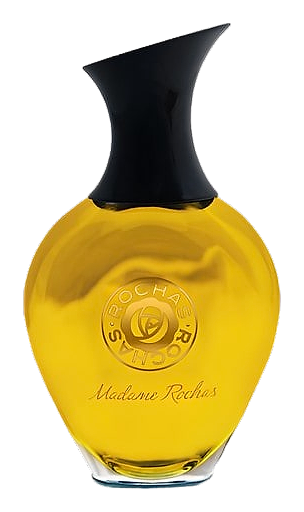
The 2013 interpretation of Madame Rochas preserves the aldehydic-floral structure that made the original iconic while presenting it in a contemporary context. The 1960 Madame Rochas became a defining scent, representing a particular moment in Parisian style and perfumery. The aldehydes return as the opening statement, the floral heart remains anchored in jasmine and Bulgarian rose, and the base settles into iris and sandalwood, creating a powdery-woody drydown that respects the original's architecture while offering a fresh perspective on the classic template.
The aldehydic-floral structure here functions as a living template rather than a static museum piece. Aldehydes have a particular talent for making florals feel elevated rather than sweet, giving jasmine and Bulgarian rose a presence that allows them to register with clarity. The lily of the valley and neroli in the top accord are doing quiet work: neroli adds a bitter-orange warmth that prevents the aldehydes from reading as purely sharp, while lily of the valley brings an unexpected green snap that keeps the opening from feeling purely abstract.
The evolution
The opening arrives confident and immediate, aldehydes sweeping across the skin with presence and brightness. Five minutes in, the lily of the valley asserts itself, green and almost sharp, cutting through the aldehydic brightness before neroli softens the transition. The handoff to the heart takes about fifteen minutes: jasmine and rose emerge together, the jasmine providing warmth and the rose adding depth that stops the floral heart from feeling precious. This middle phase is the longest, the aldehydic spark never fully disappearing, but receding into the background, keeping the florals luminous rather than heavy. The drydown is where iris and sandalwood take over, the iris providing that characteristic powdery sweetness while sandalwood grounds everything in warmth. What remains on the skin is soft, powdery, intimate, a quiet trace that speaks to the composition's staying power.
Cultural impact
Madame Rochas 2013 sits in a lineage of serious aldehydic florals, compositions that carry weight in perfumery history. The fragrance arrived as part of a continued conversation about classical structures in contemporary perfumery, offering fragrance enthusiasts a chance to experience a template that had defined French perfumery. It represents a commitment to the aldehydic-floral genre without apology, positioning itself within a tradition rather than apart from it.