The Story
Why it exists.
The beginning
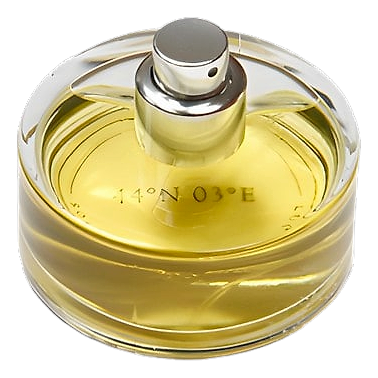
38°N 16°E is a coordinate, not a name. The numbers land on the toe of Italy's boot, in Calabria, a region whose citrus groves have shaped its aromatic identity for generations. Richard Lüscher Britos built the entire composition around that single point on the map, treating the place itself as the raw material. Jean-Claude Richard composed the scent to capture the aroma of bergamot at its ripest hour. Calabria was the citrus entry, chosen for what bergamot smells like when it's still on the branch: bitter, floral, almost edible. Nothing abstract about it. The place exists. The scent points at it. What makes the framing unusual is the refusal to translate geography into something poetic or invented.
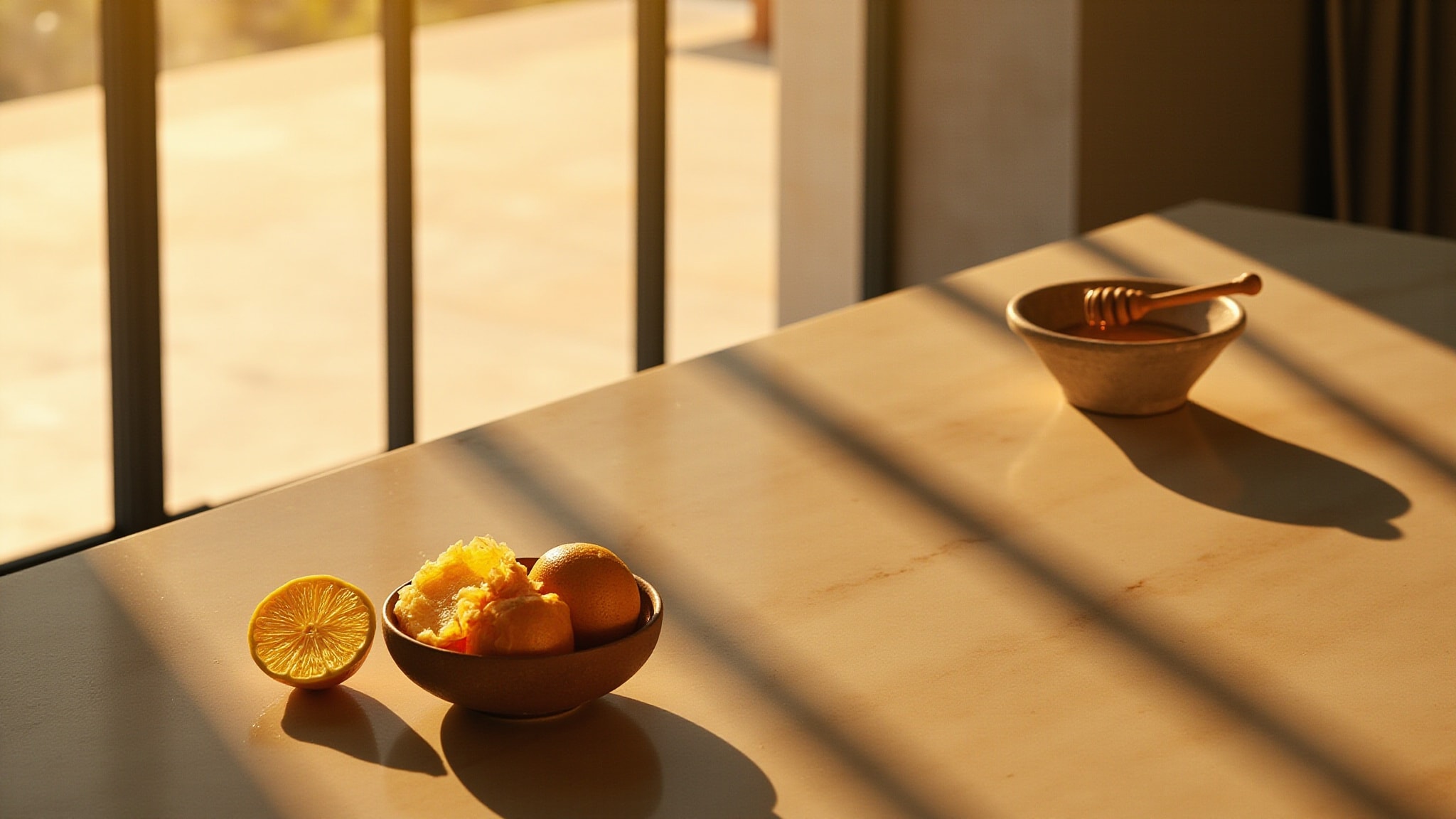
What sets this composition apart is its stubbornness around bergamot. Most citrus-forward fragrances treat the note as a bright opening that fades. Here, Calabrian bergamot runs through every layer, from top to heart to base. Neroli and honey warm the middle without dragging it into sweetness, and the drydown of sandalwood and incense gives the citrus something to lean against instead of just disappearing. The structure matters because Calabria's actual aromatic identity isn't just fruit.
The evolution
The first spray is sharp and immediate, almost a slap of cold bergamot zest. Within ten minutes the neroli arrives, softening the citrus into something warmer and more human, like the difference between smelling a fruit and standing near the tree. The honey surfaces around the thirty-minute mark, adding a low sweetness that never turns syrupy. From there, the sandalwood and incense begin to rise, and the fragrance shifts from bright to grounded. The citrus doesn't vanish. It recedes into the base, giving the incense a faintly bitter, waxy undertone that keeps the whole composition from going quiet. By the end of the day it's a trace, a hum rather than a statement. The drydown carries a different weight than the opening, almost meditative, the incense and sandalwood holding a slow conversation while the bergamot flickers underneath like a memory of something just out of reach.
Cultural impact
38°N 16°E appeals to wearers who treat fragrance as a form of travel rather than self-expression. The house's coordinate-naming convention places it in a category of conceptual, understated perfumery built for people who want specificity over spectacle. There's an intellectual pleasure in wearing a scent labeled with latitude and longitude, in knowing that the bergamot inside has a documented origin and that the composition is meant to evoke a real place rather than an abstract mood. The approach resonates with anyone drawn to material transparency, to the idea that a fragrance can be a record of a location as much as a personal statement.