
The Story
Why it exists.
The beginning
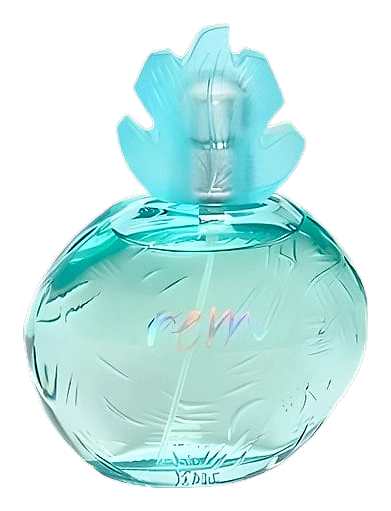
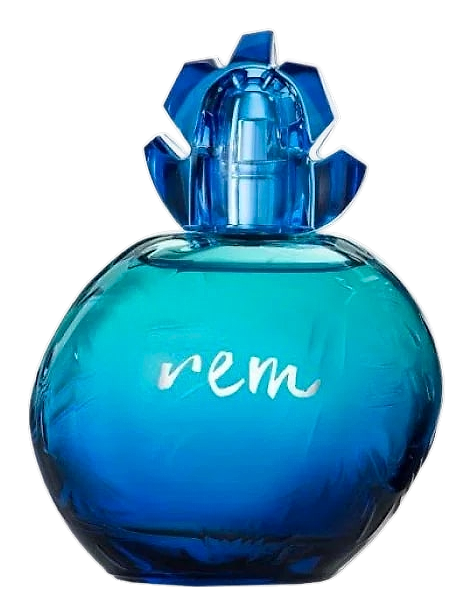
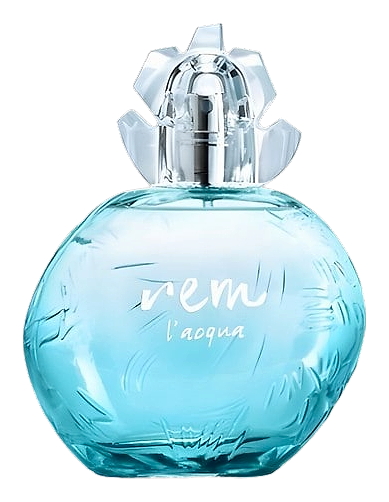
Rem L'Acqua arrived in 2016, a composition built around the memory of coastal air rather than the idea of it. Perfumer Mathieu Nardin worked with the brand's approach to translating place and moment into scent, here, the specific tension between sea salt's mineral dryness and bergamot's bright citrus character. The name says it plainly: L'Acqua, water, the thing that defines every shore. What Nardin pursued wasn't another beach-cliché aquatic. It was the inhale after swimming, cold skin, bright air, the absence of everything artificial.
What separates Rem L'Acqua from the broader aquatic category is the use of Calone alongside bergamot and sea salt. Calone layers with citrus and mineral salt to produce something that reads as the smell of wet rock rather than synthetic wave. Narcissus adds a green, almost bitter floral undertone that prevents the whole composition from sliding into sweetness. It's a quiet counterpoint, the kind of detail that only registers after you've worn it for a few hours and wonder why other aquatics feel so blunt by comparison.
The evolution
The opening hits clean and bright, bergamot and aquatic notes arriving together, citrus cutting through the water without dominating. In the early phase of wear, the composition holds in this clear, slightly synthetic space, Calone doing its work, but not yet integrated. Then the sea salt arrives. This is the turn. It arrives mineral and dry, not the sweetness of a tropical breeze but the roughness of sun-bleached rock. The bergamot softens around it, and the narcissus begins to show, a green, slightly bitter floral that keeps the composition from tipping into warmth. As the fragrance moves through its development, the drydown establishes itself: white musk wrapping close to the skin, woody notes holding the mineral line, amber adding just enough warmth to keep it from reading as cold.
Cultural impact
Rem L'Acqua occupies a distinctive corner of the aquatic category, offering a different take for those who find most aquatics too blunt or synthetic. It was discontinued some years after its 2016 launch, which has made it harder to find but has also given it a particular appeal among those who seek out Reminiscence's rarer pieces. The fragrance performs best in warmer months, though the mineral dryness of the sea salt keeps it from feeling purely seasonal. This is the scent of someone who walks into a room and doesn't need to announce themselves, present to those nearby, invisible to everyone else.
The House
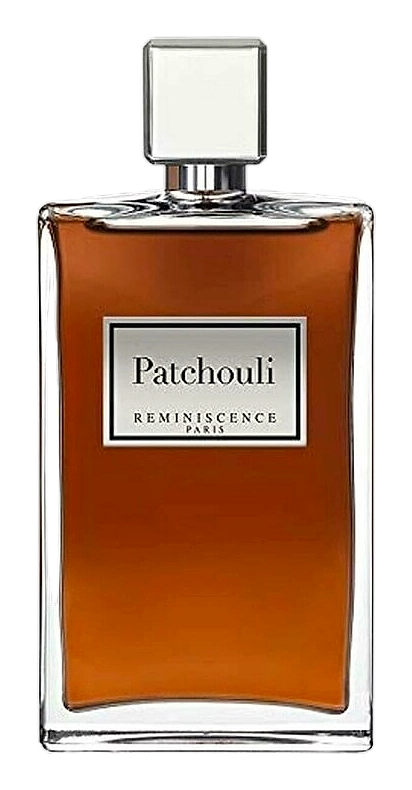
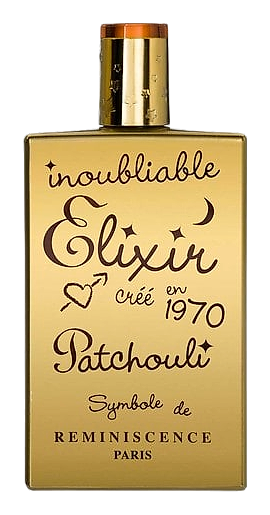
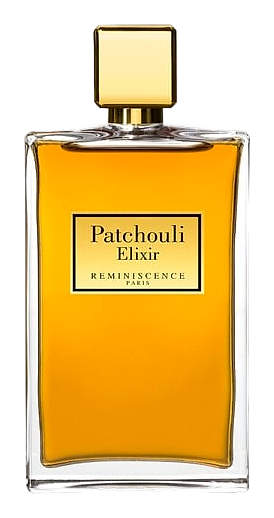
ReminiscenceReminiscence began as a boutique in the seaside town of Juan‑les‑Pins in 1970, where founder Juan Famenias gathered curiosities from his travels and paired them with scent. The shop quickly became a miniature museum of objects, each infused with a fragrance that echoed the memory of its origin. Over the decades the brand has turned that concept into a line of niche perfumes that read like scented postcards, from the woody depth of the 2007 Elixir Patchouli to the bright floral of the 2024 Fleur de Délice. Reminiscence positions itself as a curator of olfactory memories, offering collectors a way to wear a story rather than a simple fragrance.
The Creator
Mathieu NardinA purist at heart, Nardin begins every composition with the ingredients themselves. He favors flowers, citrus, and natural woods, which he considers the inheritance of his Grasse upbringing.