The Story
Why it exists.
The beginning
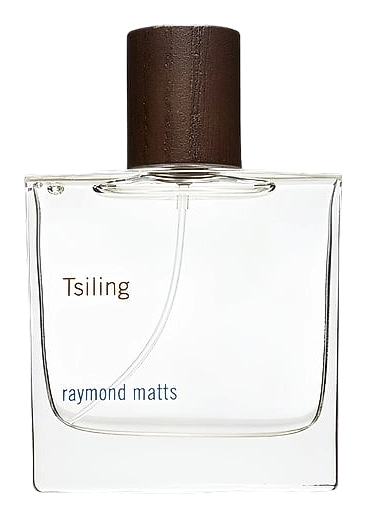
Raymond Matts spent three decades building mass-market fixtures, White Diamonds, Clinique Happy, the kind of fragrances that live in millions of bathrooms. Then, in 2014, he stepped back and released seven scents under his own name. Tsiling was one of them. The concept: challenge perfumery's traditions by pairing nature's freshness with something deliberately artificial, a plastic flower that somehow carries real warmth.
What makes Tsiling unusual is the iris-honeysuckle pairing. These two materials together create what the brand openly calls a "plastic floral impression", not a criticism, but the point. It smells like a flower that never grew from soil. Meanwhile, the rice-and-milk base anchors the composition in something deeply wearable, turning what could be conceptual into something you reach for on a Tuesday.
The evolution
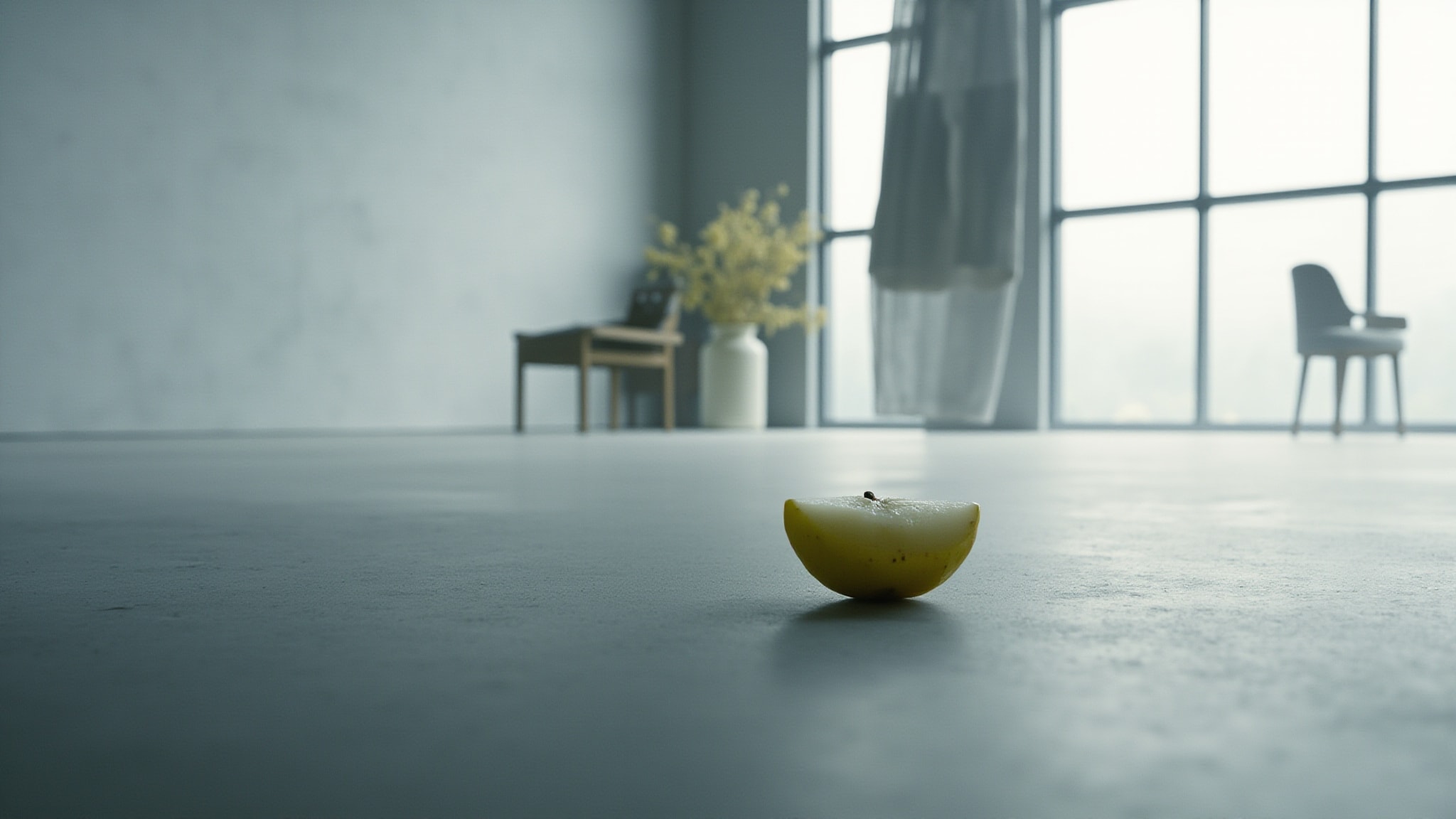
The opening hits crisp and aquatic, Nashi pear over wet green, a few minutes of something almost oceanic. Then the hand-off: honeysuckle and iris move in, and the smell shifts into that synthetic-floral territory. It reads differently on everyone. On some skin it stays cool and slightly waxy. On others, the honeysuckle warms faster than expected. The drydown takes its time, forty minutes, sometimes longer, before rice and milk arrive, soft and slightly starchy, with patchouli just barely keeping score. Six to eight hours, intimate sillage, present but never shouting.
Cultural impact
Tsiling arrives at a moment when the perfume industry is grappling with what luxury means in an era of informed consumers who value originality over heritage marketing. Its quiet, almost deliberately understated character stands apart from the projection-heavy releases dominating niche and mainstream markets. Raymond Matts built this fragrance on restraint, and that restraint speaks volumes about shifting taste toward subtlety. The fragrance community has responded by treating it as an alternative to blockbuster releases, a quiet preference rather than a statement piece. This aligns with broader cultural currents valuing mindfulness and non-ostentatious consumption.