The Story
Why it exists.
The beginning
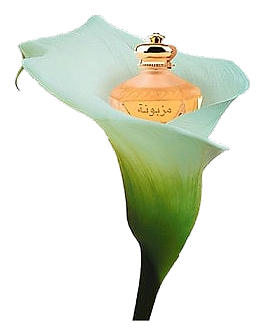
Mezyuna enters Rasasi's lineup as a concentrated perfume oil, and the format itself sets the tone. Where most fragrances on the shelf arrive pre-diluted and engineered to project across a room, an oil stays dense, viscous, and close to the skin. The 30 ml bottle holds a composition that leans directly into the materials Rasasi handles with real confidence: saffron threading warmth through rose and jasmine, then anchored by amber and a layer of aromatic intrigue that keeps the floral from turning pretty. On first application, the saffron opens with a dry, almost leathery heat, a little metallic at the edges, the way good saffron reads before it softens.
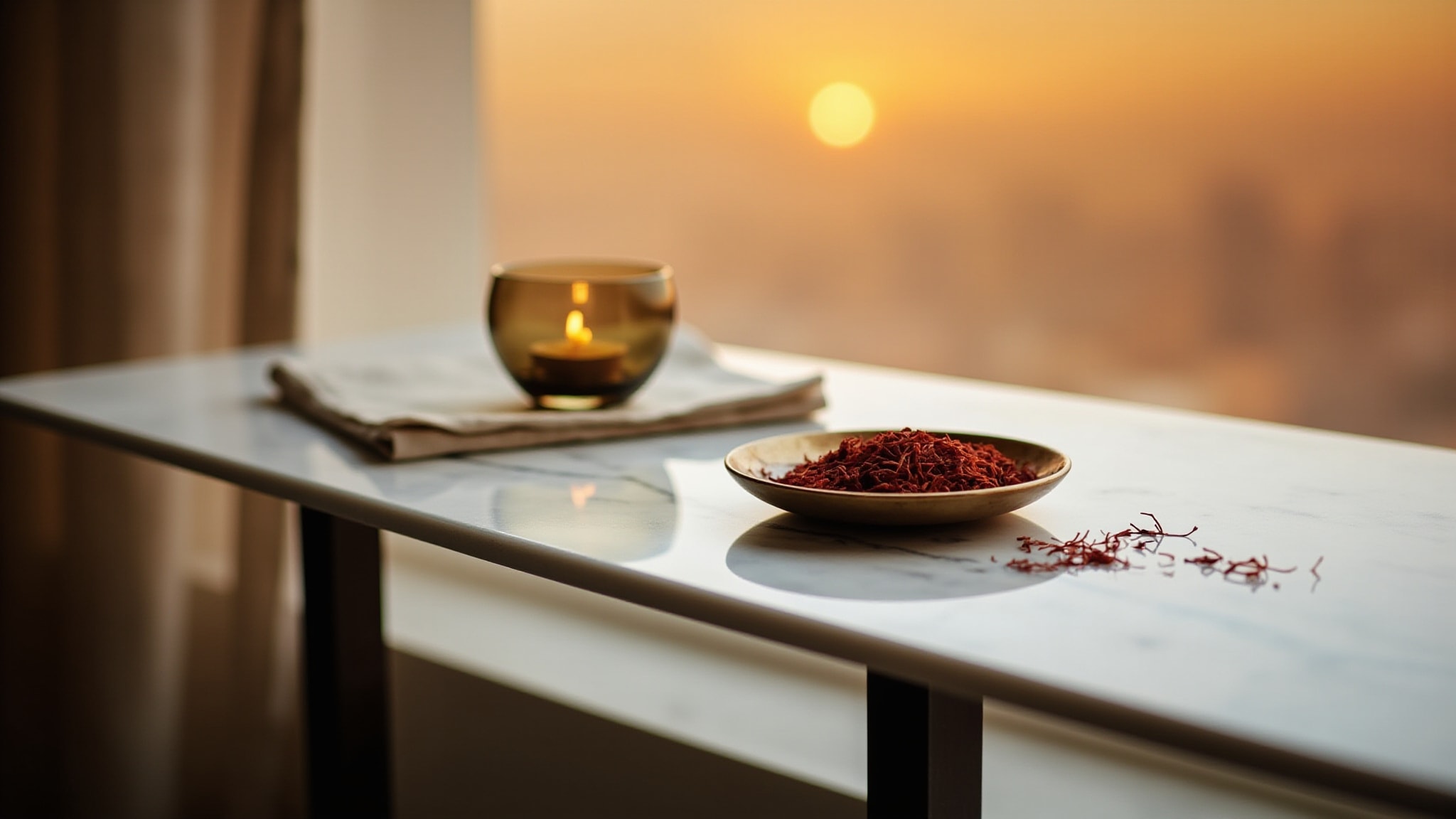
The saffron here does the heavy lifting, and that's deliberate. It's the most expensive material in the bottle by weight, and it carries the composition's personality. On skin, it reads dry and almost leathery, with a warmth that sits closer to toasted spice than to sweet syrup. Pairing it with rose and jasmine is a classic dialogue, rose giving body and jammy depth, jasmine giving lift and a faintly animalic edge, but the way they interact here is what makes Mezyuna worth paying attention to.
The evolution
The first minutes are a saffron fanfare: dry, slightly metallic, warming on skin. Rose enters within the first quarter-hour, sweetening the spice without diluting it. Jasmine lurks behind the rose, adding that white floral flicker that keeps the opening from feeling like a bakery. Around the one-hour mark, the aromatic notes and amber take over. The drydown is where Mezyuna settles into its real character: warm, resinous, faintly leather-edged. The saffron doesn't vanish, it just becomes part of the furniture. Hours later, what remains is a close-skin hum of amber and faded spice, the kind of trace that shows up on a scarf the next morning and reminds you what you wore yesterday.
Cultural impact
Mezyuna sits comfortably in the perfume oil format, the kind of composition that rewards close attention rather than broad projection. Worn on the skin, the saffron-rose-amber accord reads as familiar to anyone who has spent time around Arabian perfume oils, but the execution here lifts it out of the generic. The saffron has a dryness and slight leathery edge that feels intentional rather than accidental, the rose and jasmine carry just enough indolic warmth to feel alive, and the amber base settles into a resinous sweetness that lingers for hours without ever turning cloying.