The Story
Why it exists.
The beginning
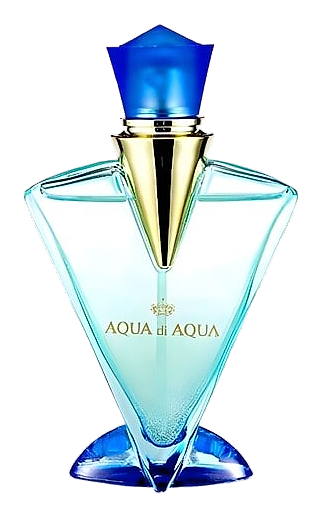
Aqua di Aqua arrived in 2000 as Princesse Marina de Bourbon's first venture into marine-inspired fragrance. The house had built its early identity on single-flower garden accords referencing Versailles, jasmine, rose, the botanicals of aristocratic tradition. Water was new territory. But the name doubled down on it, almost defiantly: Aqua di Aqua. Not a single reference to the sea, but water itself, doubled, as if one aqua wasn't enough to capture what the perfumer had in mind. The brief seems to have been about translucence, the way light passes through a still pool, the clarity of morning dew on petals. Rose and jasmine provided the floral architecture. Musk gave it warmth. Sandalwood anchored it to something grounded beneath the apparent lightness.
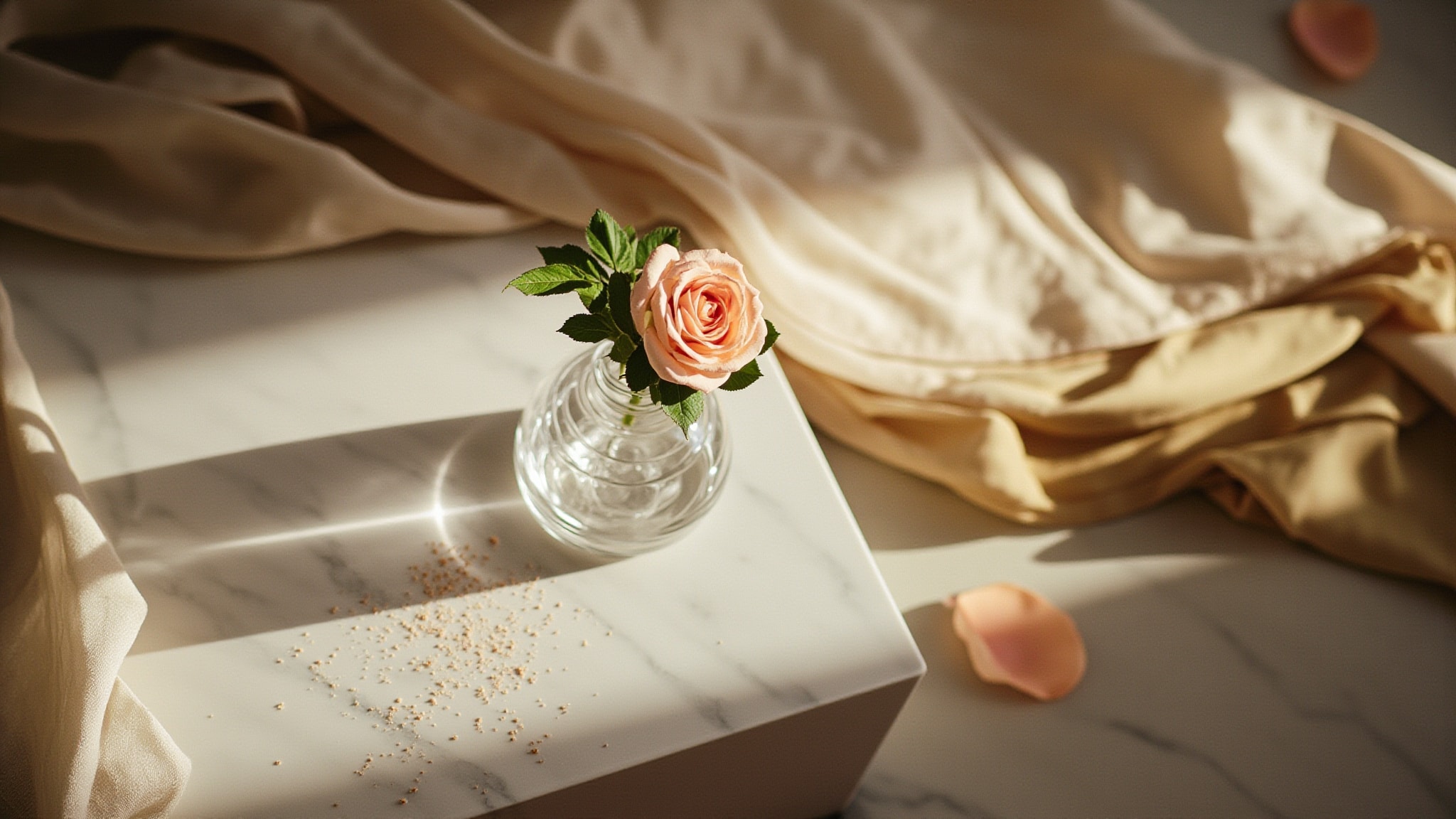
What makes this composition unusual is the powdery axis running through it. Jasmine and musk together tend toward that direction, a soft, almost dusty quality that reads as intimate rather than showy. Sandalwood amplifies the effect, adding a creamy warmth that prevents the whole thing from reading as austere. The rose isn't a sharp botanical rose either; it's the rose of rose water, of petals dried and pressed, of fragrance worn close to the skin. There's warmth here, but it's restrained. The warmth of afternoon light through lace curtains, not the warmth of a fire.
The evolution
The opening arrives clean, a brief flash of something bright and clear before the florals take hold. Rose and jasmine arrive together, soft and interlocking, the jasmine giving the rose something to lean into. For the first hour, this is the fragrance's most radiant phase: powdery, warm, slightly sweet. Then the structure shifts. The florals begin to recede, not dramatically, but as if they're being absorbed into the skin itself. Sandalwood and musk move forward, warm, close, intimate. What lingers is the powder, the memory of rose, the soft animalic trail of musk against warm skin. This is a fragrance that becomes more personal the longer you wear it.
Cultural impact
Aqua di Aqua launched in 2000 during a period when aquatic fragrances dominated the market, yet it carved a unique position by emphasizing powdery florals over the synthetic marine notes typical of the era. Princesse Marina de Bourbon, a French royal fragrance house, used this composition to bridge its heritage of garden-inspired florals with contemporary sensibilities. The 2000 release demonstrated that aquatic could mean subtle and intimate rather than aggressive and synthetic, influencing how niche houses approached subtle fragrance design in subsequent decades.