
The Story
Why it exists.
The beginning
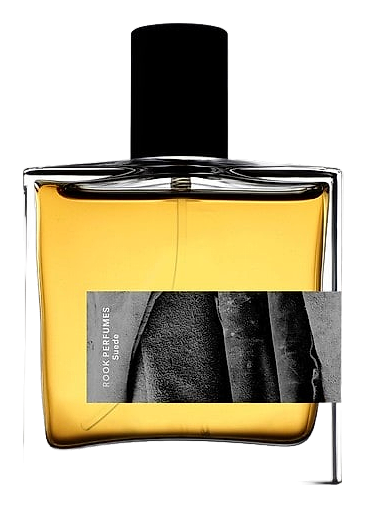
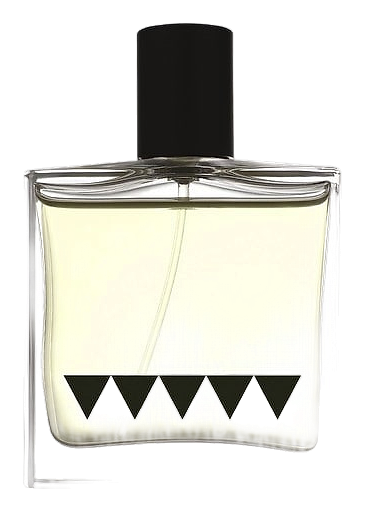
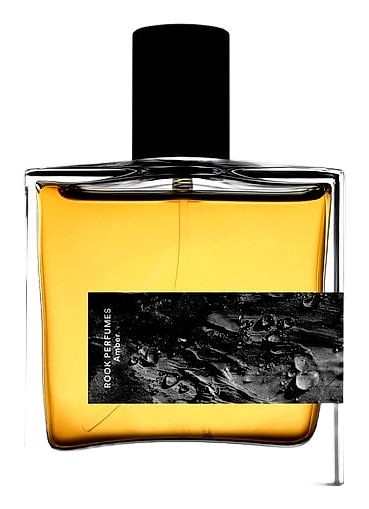
Amber is Rook Perfumes' ode to one of perfumery's oldest materials. Not a single ingredient but a construction, warm, resinous, enveloping. Nadeem Crowe built this fragrance around the tension between smoke and sweetness, between something that feels ancient and something that feels deliberately modern in its refusal to be polite. The result is amber done without apology.
What makes this composition interesting is the saffron. It's not the saffron of soft florals, it's the metallic, slightly bitter saffron that smells like dried threads and ancient trade routes. Paired with smoke, it creates an opening that reads almost clinical before the amber warms it. The tonka bean in the base does what tonka does best: sweetens without softening, giving the drydown a warmth that lingers close to skin for hours.
The evolution
The opening hits with saffron's sharp, metallic bite, that distinct red-thread smell that announces itself without apology. Within minutes, smoke moves in, not aggressive but present, like embers still glowing. The amber heart settles into the composition and everything warms. The tonka arrives quietly around the two-hour mark, adding a soft sweetness that tempers the smoke without replacing it. By the fourth hour, the drydown is resinous, warm, and close to the skin, not filling the room. The next morning, there's a faint trace of amber and tonka, like evidence you were somewhere interesting.
Cultural impact
Amber as a perfume note traces back thousands of years across Egyptian, Arabian, and Mediterranean perfumery traditions, prized for its warm, resinous depth and symbolic associations with wealth and time. Saffron carries equally ancient weight, with roots in luxury cosmetics and incense across Persia and the Middle East. Together, amber and saffron represent a return to opulent, unapologetically bold perfumery after a decade of minimalist fragrances. Modern niche compositions like Amber reflect a cultural shift: wearers increasingly seek fragrances that make statements rather than fade into the background.