
The Story
Why it exists.
The beginning
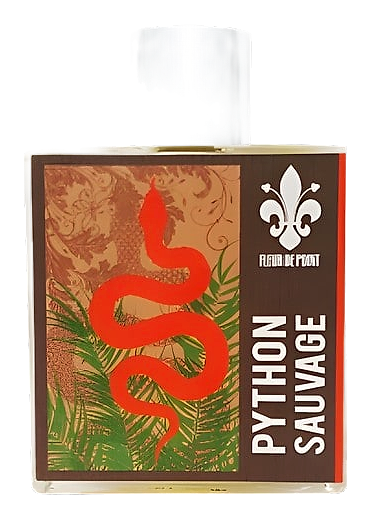
Python Sauvage began with an image Marie Clapisson couldn't stop thinking about: a python in a mangrove, sun-warmed and unhurried, scales radiating heat into cool air. She imagined a perfume that drives us there together, cardamom and smoked vetiver and birch providing both coolness and warmth, allowing you to feel like in the skin of a snake, basking in the sun for hours. The tension was the point. Not the python itself, but what it means to borrow its sensation, that deceptive stillness masking something ancient and warm.
The fragrance's structure mirrors its namesake's behavior. Birch opens the composition with a mineral, almost ozonic freshness, cool air above still water. Cardamom arrives next, not as a traditional heart but as a warmth that builds laterally, the way a cold-blooded creature absorbs heat from its surroundings. Incense and vetiver layer beneath, adding a smoky dimension that reads as atmospheric rather than heavy. The result is a fragrance that moves between temperatures rather than through a linear pyramid, cool to warm, mineral to animal, still to radiant.
The evolution
Birch hits the skin first, bright, metallic, sharp as the air above a river. Thirty minutes in, cardamom enters. The cool mineral quality doesn't disappear; it threads through the spice, keeping everything precise and alive. Incense emerges around the second hour, not dramatic but present, a thread of smoke woven through the heart. By hour four, the drydown asserts itself. Vetiver and guaiac wood take over with a smoky-resinous character that borders on leather. Peru balsam and labdanum add depth without sweetness. The warmth that opened the fragrance has migrated inward, become skin-warm rather than sun-warm. Lasting 8-10 hours on most skin types, it stays close, moderate sillage means intimacy, not announcement. On fabric the next morning, a faint trace of smoke and warmth remains, like the ghost of heat where something coiled for hours.
Cultural impact
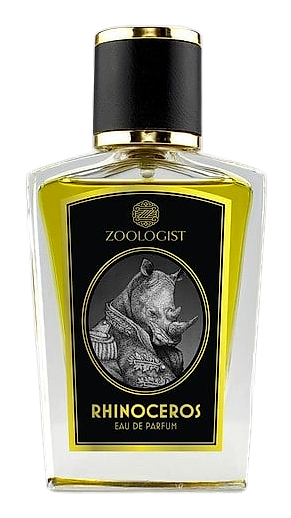
Python Sauvage emerged during the late 2010s niche fragrance wave when literary and unconventional houses challenged mainstream perfumery conventions. Fleur de Point positioned itself as a narrative-driven brand, treating each fragrance as a story rather than a product. The 2018 release joined other boundary-pushing releases like Zoologist Perfumes Camel and Timbuktu, exploring smoky-woody territories with intellectual rather than commercial framing. This context matters because Python Sauvage was never marketed through celebrity endorsements or mass advertising, instead relying on independent reviews and word-of-mouth among collectors.