The Story
Why it exists.
The beginning
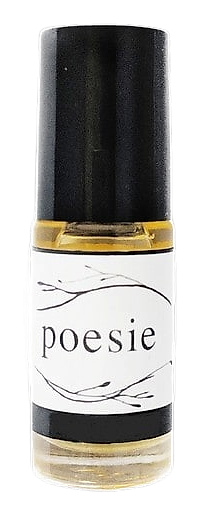
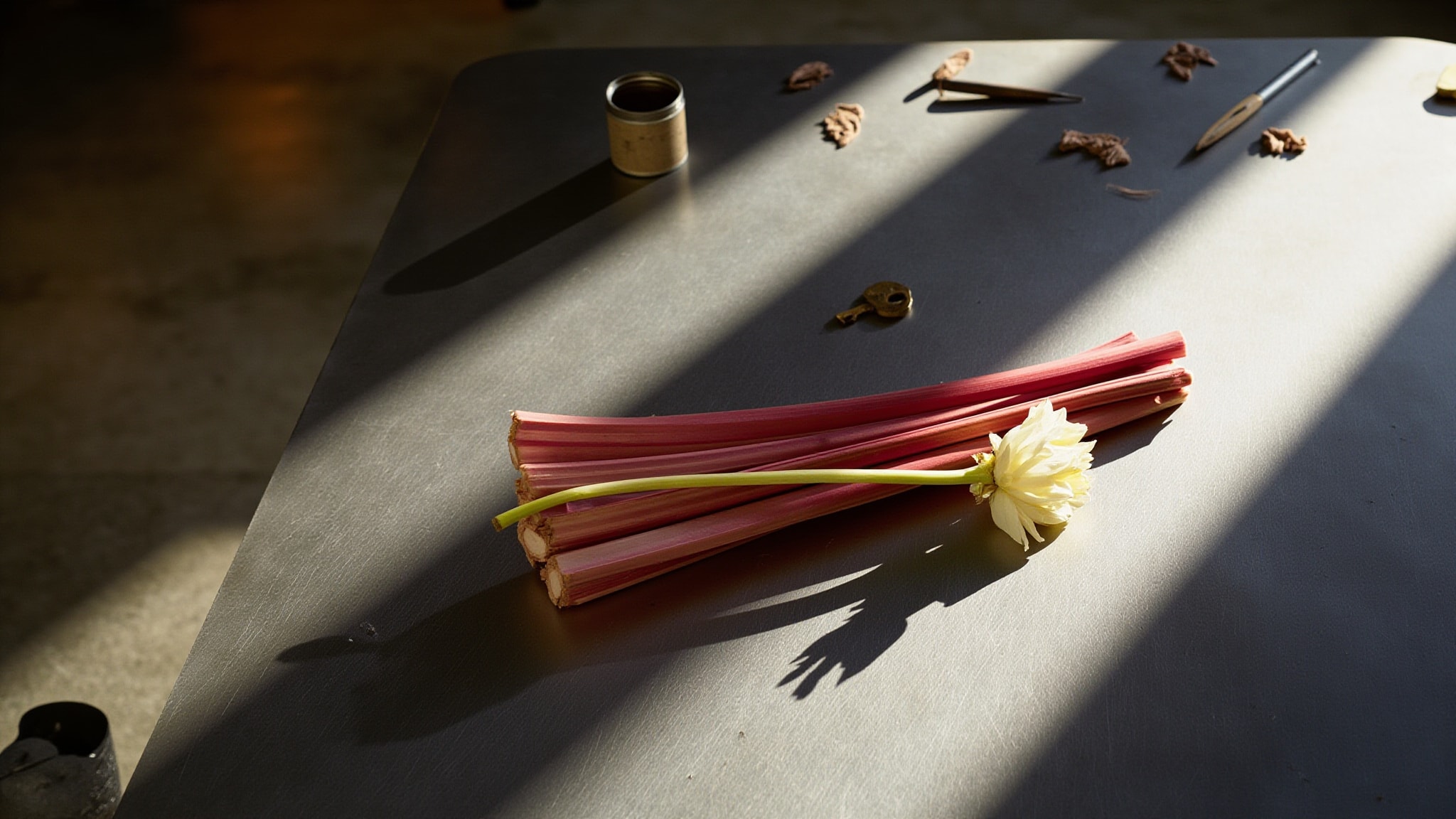
Fine Eyes debuted in 2018 as part of Poesie's Fools in Love collection. Joelle Nealy, who both owns the brand and composes its fragrances, built this one around a deliberately tight palette: tuberose, rhubarb, and ginger. That's it. Three materials, no padding, no filler. The constraint reads as intention. Nealy is the nose behind Fine Eyes, and the brand's signature remains treating each scent as a composed piece rather than a stock item. The composition takes one of the most attention-seeking flowers in the perfumer's vocabulary and pins it between two ingredients that refuse to let it behave. Rhubarb arrives tart and almost green, the way the fruit smells just before sugar gets involved, while ginger slices through with a clean, raw heat that keeps the tuberose honest.
The Fools in Love collection itself provided the container for Fine Eyes, a chapter in Poesie's catalog that gave the scent its narrative frame. Fine Eyes sits inside that frame as the scent of someone caught staring, caught wanting, caught in the particular recklessness of attraction. The title isn't decorative. It's a description of the wearer's state.
The evolution
Fine Eyes wears like a slow confession. The first spray hits sharp, ginger-forward, almost vegetable-green, with rhubarb's tartness already undermining any expectation of sweetness. Within the opening minutes the tuberose begins to surface, but it arrives restrained, wrapped in the green of the rhubarb stems rather than the full narcotic bloom. The middle stretch is where the tension peaks, as tuberose gets creamy and dense, the ginger refuses to leave, and the rhubarb keeps pulling the sweetness back toward sour. Nothing about it is linear. The way the notes interact is closer to a conversation than a sequence, each one interrupting and answering the others rather than stepping politely aside.
Cultural impact
Fine Eyes sits inside the Fools in Love collection, a Poesie chapter that uses the Fools in Love naming as its conceptual frame. For wearers, the scent offers a particular reading of tuberose, one that leans on the flower's creamy, almost carnal qualities while keeping its more aggressive tendencies in check through the brighter presence of ginger and the tart, slightly bitter pull of rhubarb. The result is a tuberose that feels composed rather than overwhelming, present on the collar without filling the room, close to the skin rather than projected wide.