
The Story
Why it exists.
The beginning
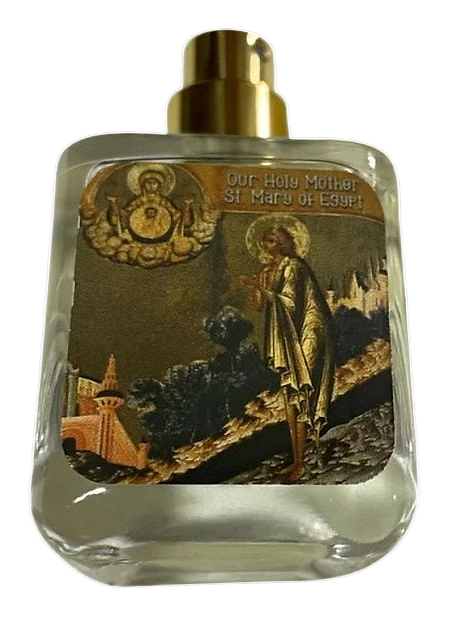
The name itself carries weight: Saint Mary of Egypt, a figure from the early Christian desert tradition, a woman who withdrew from the world and lived among wild things. Weston Adam built this composition around that lineage, the idea of a life lived past the edges of civilization, where holiness and wilderness become the same thing. Phronema Perfumes has made a practice of translating figures from religious and mythic tradition into scent. Mary of Egypt joins a catalog that includes Holy Prophet Elijah and Eucharisto, each fragrance a self-contained chapter. This one leans greener than its siblings, less incense-and-resin and more rooted in living plant material, closer to a garden left to grow without tending than to any carved altar.
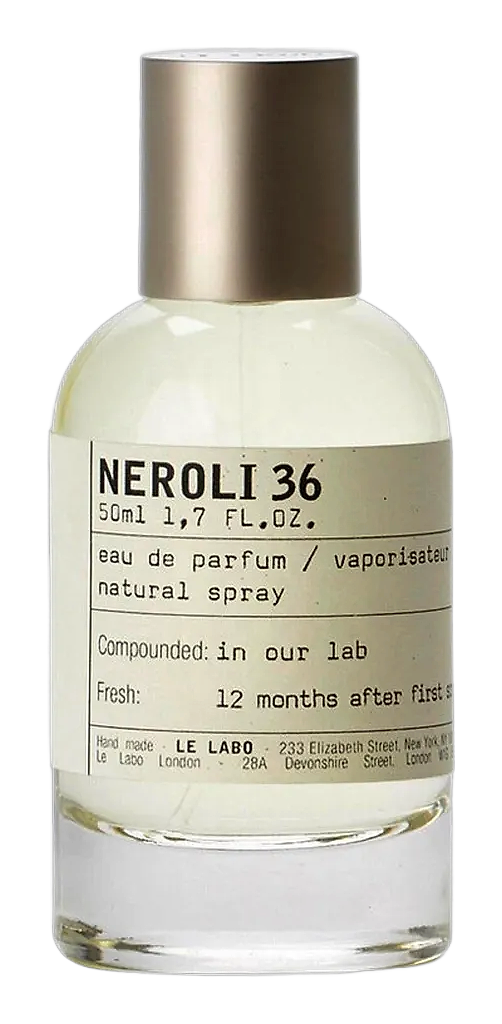
What makes the composition unusual is the collision: neroli absolute and petitgrain on one side, deer musk and ambergris on the other. The citrus-green materials are classical cologne territory, bright and herbal, the language of eighteenth-century grooming. The animalic base is not. Adam threads them together with bourbon geranium and mimosa absolute, two materials that bridge the herbal and the powdery without settling fully into either.
The evolution
The opening minutes are almost aggressively green. Eucalyptus, mandarin leaf, and peppermint hit the nose like crushed stems underfoot, with neroli's bitter-orange edge cutting cleanly through. It smells alive, almost vegetal, and for a moment it feels like something that belongs in a barber's cabinet or an apothecary's drawer. Then grape and jasmine grandiflorum arrive and the composition pivots. The grape brings a thick, almost fermented sweetness, the kind of dark fruit scent that sits heavy on the tongue. The jasmine pushes warm and indolic, closer to skin than to soap, with that almost rubbery undertone that good jasmine carries when it's not been over-cleaned. The heart is where the fragrance settles into its strangest and most compelling territory: heavy florals resting on an herbal base, reading almost narcotic, a garden at dusk. Later, the animalic notes start surfacing.
Cultural impact
Mary of Egypt sits within Phronema's ongoing project of translating literary and sacred figures into scent. The house treats each composition as a small object of contemplation, something closer to an icon or a chapter than to a conventional perfume release. There is an obvious kinship with how incense functions in liturgy: a material that carries attention rather than demanding it, that asks you to lean in rather than step back. This release continues that sensibility, offering a composition rooted in green and floral materials rather than the heavier resinous vocabulary that often dominates religiously-themed fragrance.