The Story
Why it exists.
The beginning
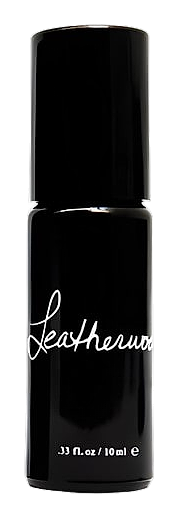
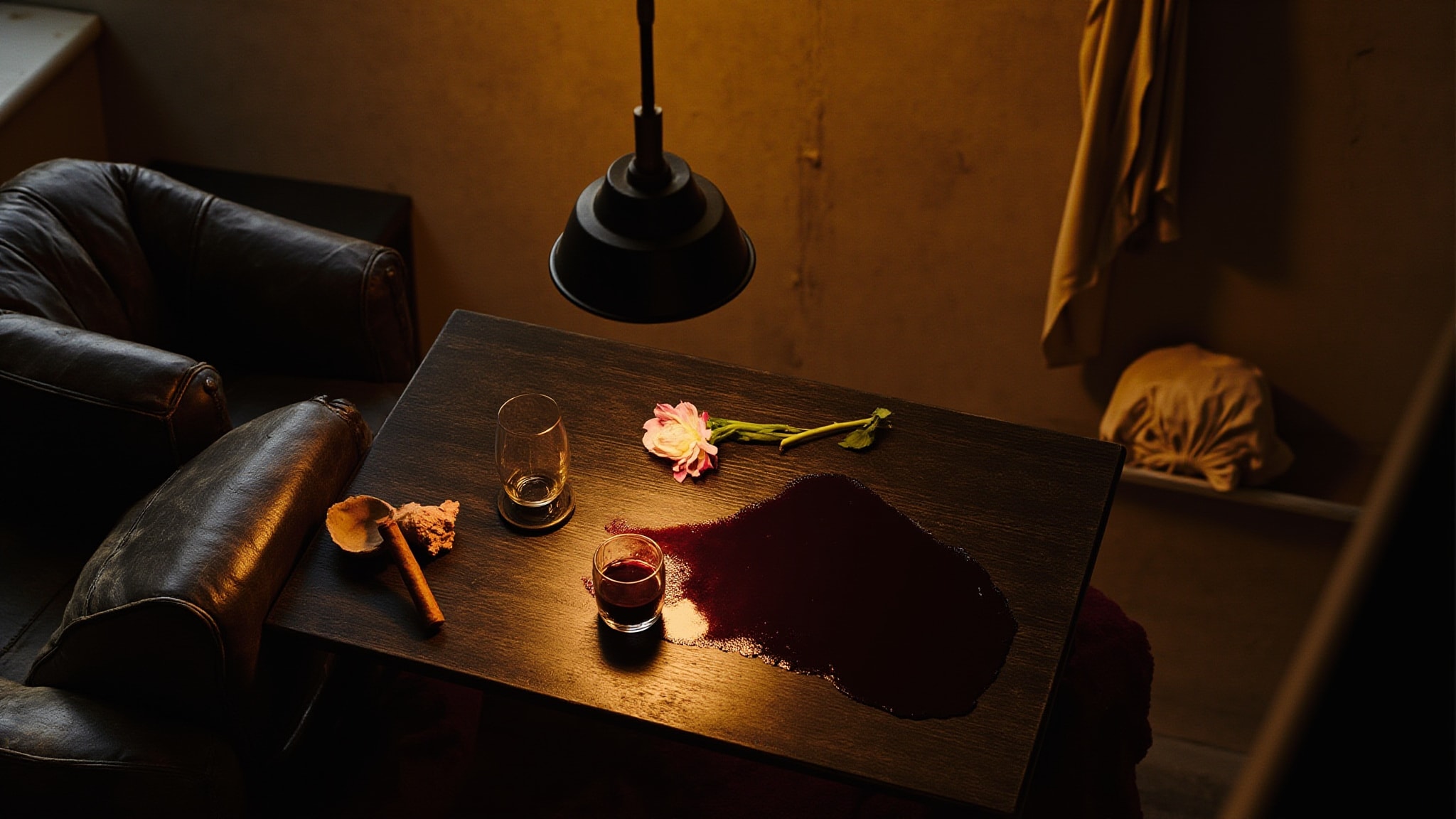
Leatherwood comes from Persephenie Studio, the Los Angeles practice led by perfumer Persephenie Lea. The studio has built a reputation for hand-made, botanical-driven compositions, and the label reflects a perfumer who treats raw aromatics as the central subject rather than a decorative layer. Her catalog includes attars and eaux fraiches, each one shaped by close attention to the character of individual ingredients. Leatherwood fits squarely inside that worldview. The name suggests something rugged, woody, maybe even industrial. What pours out of the bottle is something stranger: red wine meeting basil and clove up top, a dense floral heart of jasmine and tuberose, and a base built on leather, tobacco, and wood. It's a composition that treats contrasts as invitations rather than problems.
The unusual move here is the wine note sharing space with two heavy white florals. Persephenie Lea puts juhi (Jasminum auriculatum) and tuberose right at the center of the structure, and lets them bloom under the weight of leather and spice. Juhi is a jasmine variety noted for its rich, almost overwhelming sweetness, a quality that shows up clearly in the way the note dominates the heart of this composition. Tuberose joins it with that thick, almost buttery character, creating a floral core that feels dense rather than airy.
The evolution
The opening hits with green sharpness. Basil lands first, herbaceous and almost medicinal, followed by clove that adds a warm, almost numbing heat. The wine note arrives alongside, reading less like fresh fruit and more like something fermented and dark, closer to port or mulled wine than grape. There's a boozy warmth in the opening that catches you off guard, especially given the floral heart waiting underneath. The tuberose pushes through as the composition settles, thick and almost buttery, with a lactonic edge that makes it feel more alive than most floral notes. The juhi adds an indolic sweetness that reads almost animalic, giving the white florals a fleshy, almost carnal quality. Spice and wine settle into the background while the white florals carry the weight of the heart. The shift comes gradually. Leather arrives first, quiet at first, then louder, suede rather than raw hide.
Cultural impact
Leatherwood sits in the lineage of independent botanical perfumery. It rewards wearers who already know what indolic jasmine smells like and want something heavier underneath. Anyone who loves Tuberose Vetiver Attar or Tobacco Flower from the same house will find familiar ground here, but with more spice and more wine. The composition leans into bold contrasts, treating florals, spice, leather, and fermented notes as parts of a single conversation rather than separate acts.