The Story
Why it exists.
The beginning
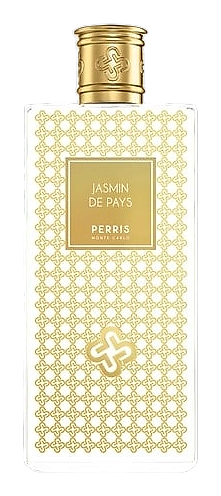
Grasse is the cradle of perfumery. UNESCO recognized it in 2018, but the knowledge is centuries older. Perris Monte Carlo's Les Parfums de Grasse collection is built around that legacy, and the house wanted a fragrance that carried it. Gian Luca Perris chose his protagonist with care: Jean-Claude Ellena, the quiet master of Grasse, whose name alone earns the reference. Ellena was given one instruction, jasmine, and nothing else. No garnish, no supporting cast that distracts. Just the flower in its purest extract form, asked to tell its own story. The brief wrote itself. The result is Jasmin de Pays.
The note structure is deliberately spare. Jasmine absolute leads, unapologetic. Marigold enters next, Tagetes, the yellow flower with a green, almost herbaceous edge that keeps the sweetness honest. Clove adds warmth without dominating, a spice that reads as late afternoon sun rather than spice rack. Musk anchors the base, not as a fixative afterthought but as the quiet confession underneath. The composition is built around restraint. Each material has one job. No layering for complexity's sake. No accord designed to mask or soften. This is jasmine that smells like jasmine actually smells, green at first, then warm, then deeper as it wilts.
The evolution
The opening arrives quiet. Jasmine absolute unfurls on skin with a tender green quality, not the commercialized, indole-free jasmine of many fragrances, but the real thing. Stems and petals and that slightly animal edge that exists in nature. Marigold appears within minutes, a yellow floral that adds a green tinge without dominating. The transition is seamless. The jasmine highly intensifies around the heart phase, taking over as the star while the marigold's green tinge fades and clove quietly joins. That warm spice builds gradually, not a jolt, but a slow sun-like heat. By the late drydown, the jasmine remains though subdued, fading to reveal the subtle, slightly animalic musk underneath. That musk lingers through the finish. Projection is excellent for the first hour, then settles into a warm, close trail.
Cultural impact
Jasmine has long occupied a sacred place in human culture, from the garlands draped around necks in ancient ceremonial settings to the incense-laden gardens of Chinese court tradition. In Grasse, the city that trained Perris Monte Carlo's perfumers, jasmine picking was a ritual each August, with families moving through fields before dawn to capture flowers at their most aromatic. The flower's name derives from the Persian Yasmin, meaning gift from God, and its indolic richness has long fascinated perfumers who seek to bottle something that is simultaneously delicate and animal, tender and assertive.