The Story
Why it exists.
The beginning
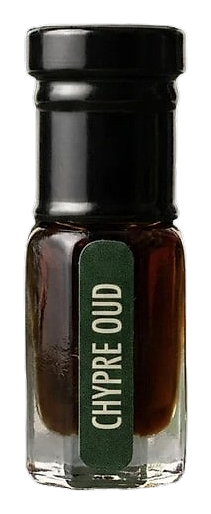
Chypre Oud is Perito Moreno's quiet refinement of a relationship the house has been working on for years. The brand's earlier Oud Patchouli Attar established a raw dialogue between two materials that don't easily share space. Chypre Oud, launched in 2026 and composed by Nitish Dixit, is the translation of that same conversation into cleaner grammar.
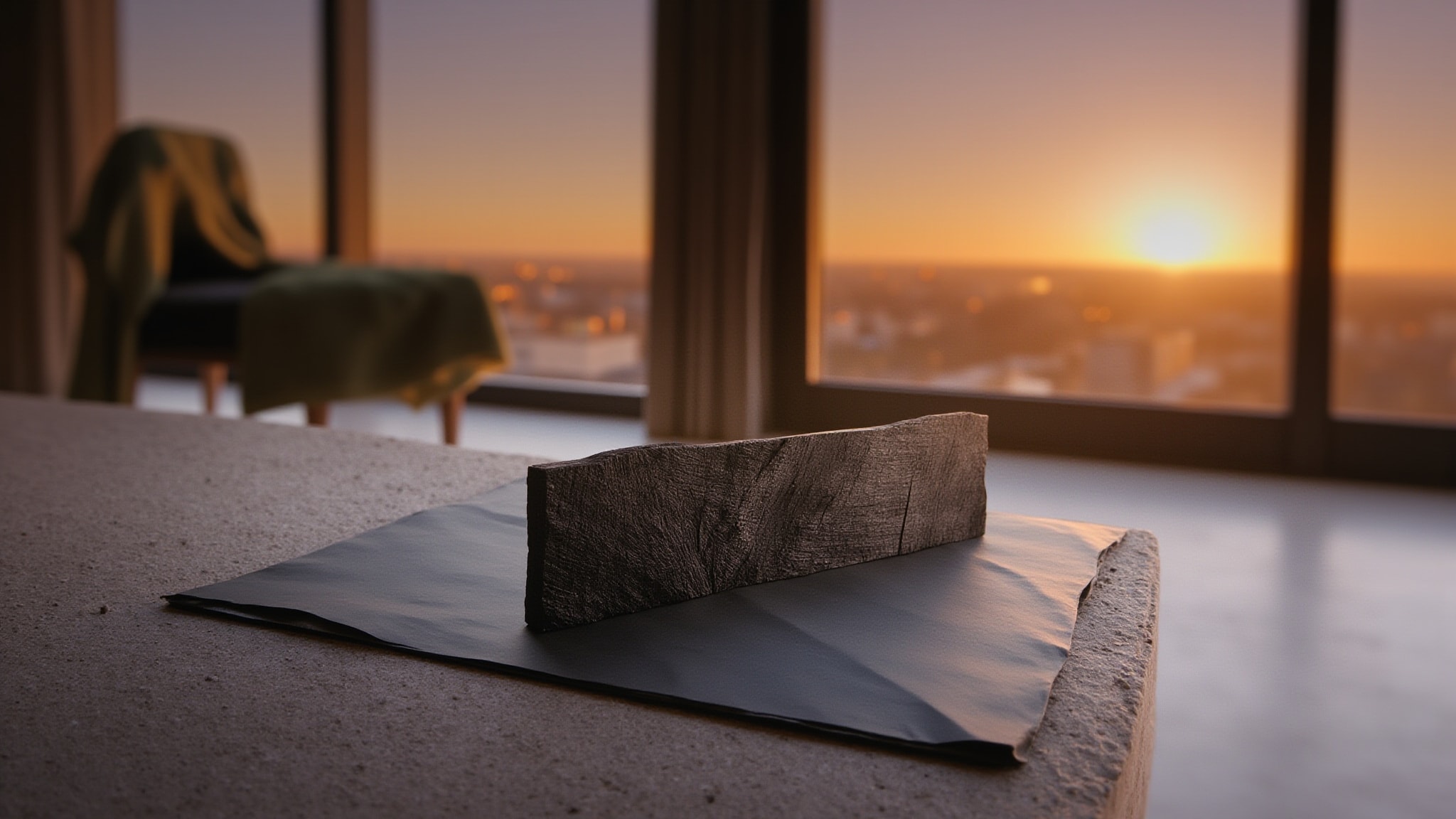
Dixit chose Chinese Oud for this composition specifically for what it isn't. Where other oud oils arrive heavy, animalic, almost confrontational, Chinese oud carries a composure. It reads as wood with depth, not as scandal. That choice lets the patchouli breathe without competing for the floor, and gives the florals room to move like silk rather than decoration. The chypre framework, built on moss and earthy structure, holds everything in place without suffocating the air around it. It's restraint as composition principle.
The evolution
The first hour is patchouli territory, full and earthy with a moss-driven dampness underneath. There's no rush to the florals; they're woven in early but tucked behind the structure, reading more as atmosphere than as individual blooms. By the second hour, the Chinese Oud starts surfacing, and it does so gently, more like polished wood than smoke. Around the third or fourth hour, the scent finds a settled weight, warm and quietly resinous, the moss anchoring everything to skin. By the end of a six-hour stretch, what lingers is a low hum of oud and patchouli, softened and intimate, the kind of trace that lives on a scarf or collar the next morning. Projection stays moderate throughout, never demanding entry, just occupying the space it's already in.
Cultural impact
Chypre Oud arrives as a focused study in restraint, for the wearer who treats patchouli as a serious material worth revisiting in cleaner company. It speaks to a collector who already owns the louder ouds and is looking for something more meditative, composed, and dry. Within India's small-batch perfume scene, where many indie houses still chase the more-is-more Arabian oud tradition, this release plants itself firmly on the dry, mossy, European-leaning side of the family, marking a deliberate counterpoint that helps broaden the local conversation around what oud-based work can sound like.