
The Story
Why it exists.
The beginning
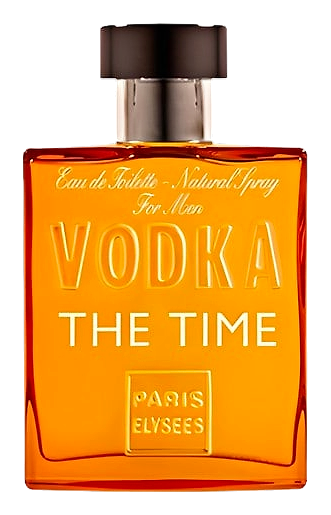
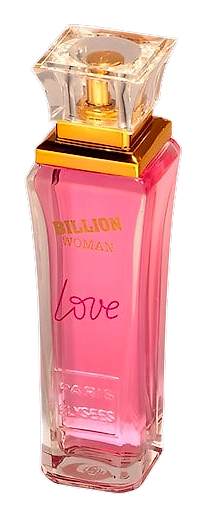
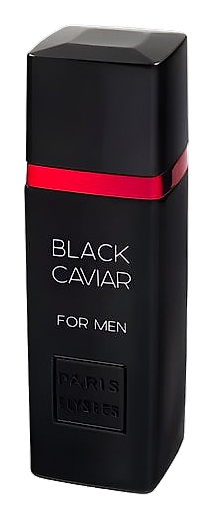
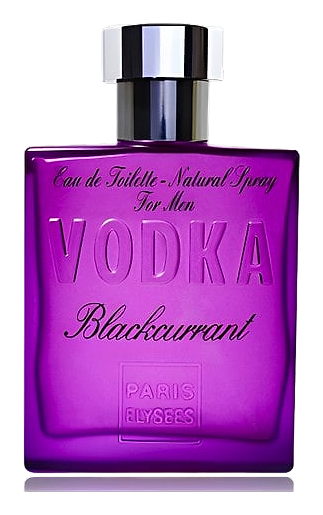
The brief was simple: capture Parisian nightlife circa 2001. The drink-culture inspiration, vodka, dark berries, the clink of glass at midnight, gave the fragrance its name, though the pyramid reflects the concept differently than expected. What emerged was warm and woody rather than fruity or spirit-forward. The apple and geranium open things up with unexpected tenderness. The cinnamon underneath adds a spice that almost reads as boozy without naming the note. Paris Elysees built this as part of their early catalog, before the brand shifted toward small-batch boutique releases. It belongs to a specific moment in the house's history, experimental, unafraid of a provocative name, willing to let the concept outpace the composition.
The most interesting structural choice is the olive tree note in the base. It's unusual for a 2001 release, olives show up more often in Mediterranean-themed flankers than in a French fragrance with a vodka-inspired name. Here, it adds a slightly bitter, green undertone that keeps the amber and cedar from going entirely warm and sweet. Without it, this would be a straightforward warm-woody. With it, there's a counterpoint, a little sharpness that earns the cold-glass imagery the name invokes.
The evolution
The opening arrives tart and bright, geranium and apple doing the work the name suggests, with cinnamon slipping underneath as warmth rather than heat. That first twenty minutes is the most surprising part: the name promises something sharp and cold, and what you get is actually soft. Then the heart arrives. Citrus and cardamom, clean, aromatic, quieter than the opening. The composition seems to retreat, but it's building something. By the second hour, cedar and vetiver take over. The olive note surfaces here, green and slightly bitter, keeping the drydown honest. Amber appears last, binding everything into something that stays close to skin for six to eight hours. The next morning: cedar. Just cedar, faint and warm, on fabric.
Cultural impact
Vodka Blackcurrant belongs to Paris Elysees' early experimental period, before the brand fully embraced its current small-batch boutique model. Released in 2001, it reflects the era's fascination with drink-culture concepts, names that promised something sharp and cool, compositions that delivered warmth instead. The fragrance occupies an interesting space: its name suggests something bold and fruity, while the pyramid reads as warm and woody. That tension is what makes it worth a second look.