
The Story
Why it exists.
The beginning
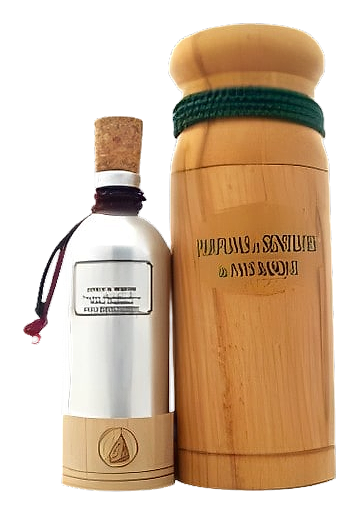
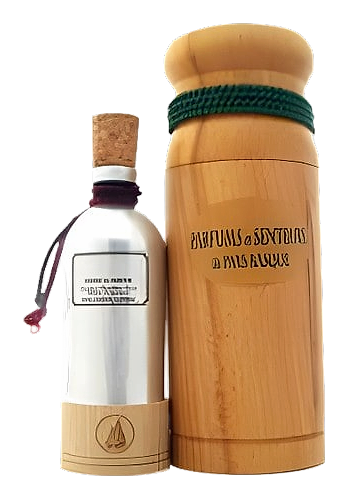
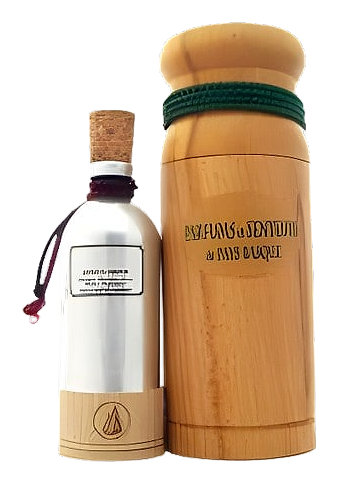
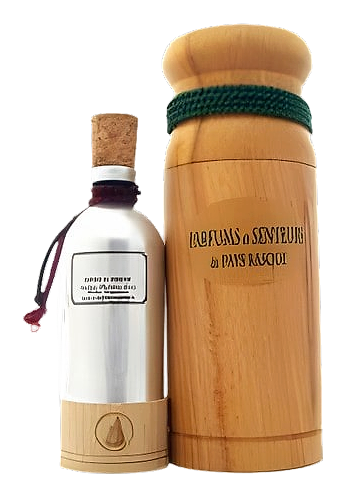
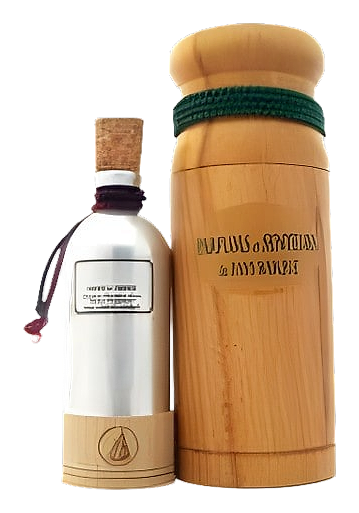
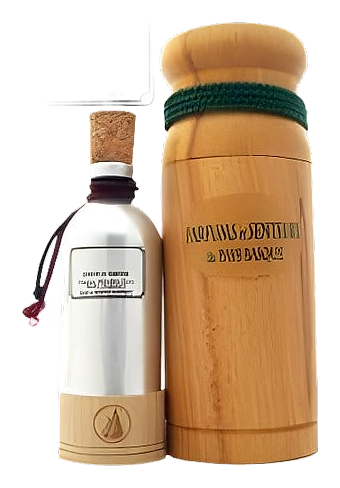
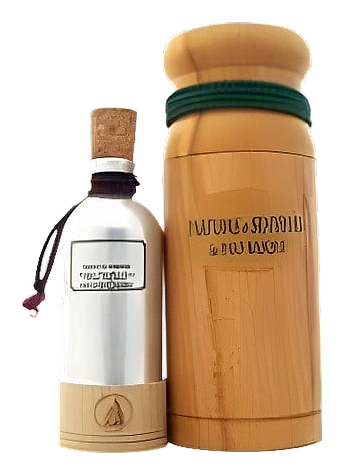
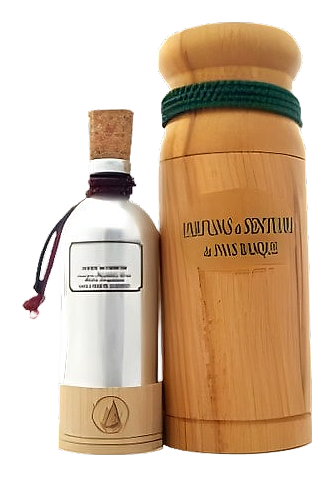
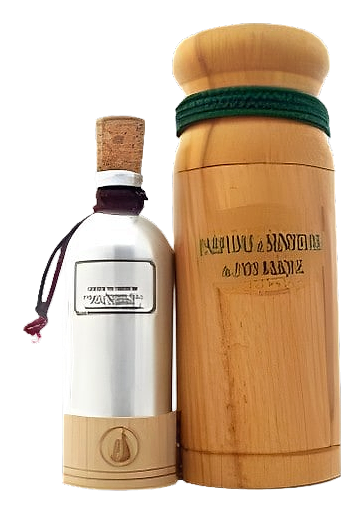
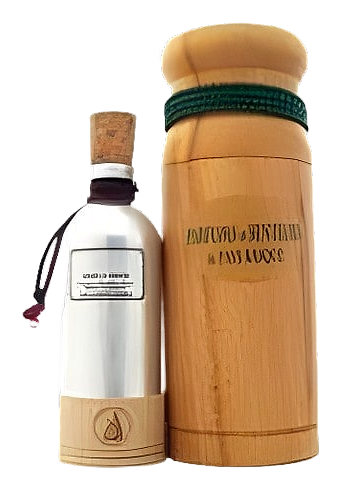
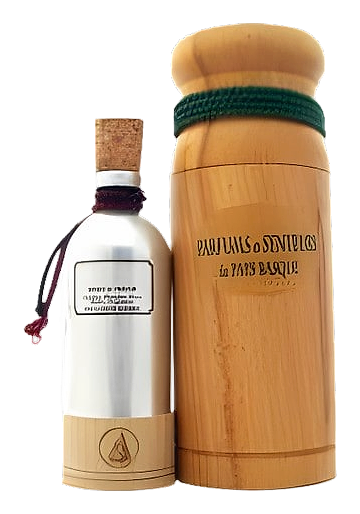
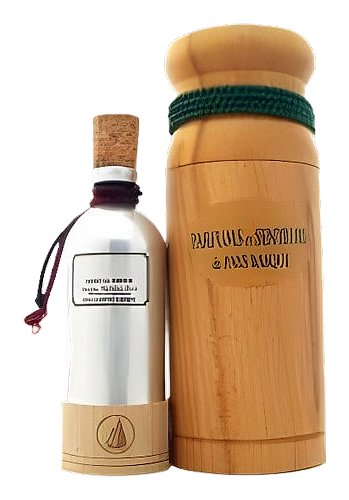
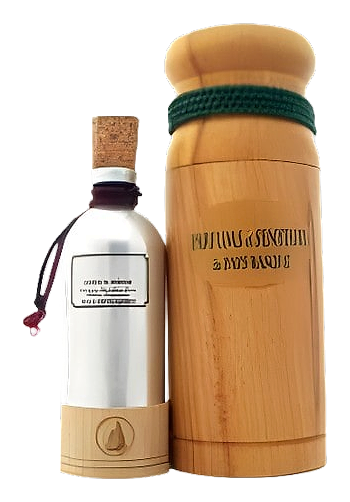
Pavillon Bleu comes from Parfums et Senteurs du Pays Basque. Its name suggests a blue pavilion, and the composition carries that idea in contrasting colors rather than literal imagery. Blond tobacco opens with golden warmth, leather introduces structure and smoke, and green tea brings a cool, lucid edge. The first impression is quietly radiant: tobacco lends a soft sweetness while tea tempers its density with a clean, vegetal brightness. As leather enters, the scent gains weight and texture, balancing dry grain against the rounded warmth of tobacco. Green tea keeps the composition clear, preventing the darker notes from becoming heavy. Nothing about the scent is decorative. It behaves more like a study in contrasts: sweet beside dry, soft beside hard, urban beside elemental.
Tobacco, leather, and green tea rarely travel together in such a spare arrangement. Tobacco supplies sweetness and warmth without turning rich. Leather brings smoke and animalic depth. Green tea cuts across both with a fresh, slightly ozonic impression, like air moving through an open window. The result feels light and dark at once, which gives the composition its unusual balance. It is not a dense tobacco leather built for winter only. The tea keeps it in conversation with spring air, coastal rain, and rooms where the windows stay open.
The evolution
The opening begins with blond tobacco, but it never becomes a full-throated tobacco statement. Its sweetness sits close to the skin, dry and lightly honeyed, while an early breath of green tea keeps the mood cool. Together, they create a measured opening that feels both polished and restrained. Leather then takes over. It introduces a darker grain, a faint animalic warmth, and the suggestion of smoke without losing the tea's freshness. The contrast is absorbing: tobacco rounds the sharper edges of leather, while leather gives the sweetness a more mineral, grounded character. As the hours pass, the composition changes emphasis rather than simply gaining weight. Leather becomes more tactile, tobacco returns as a soft amber-like sweetness, and green tea remains the clean line through the middle.
Cultural impact
Pavillon Bleu fits the house's belief that fragrance should carry narrative weight. Its presentation is defined by atmosphere rather than rigid conventions, placing the composition within a broader culture of scent where mood, texture, and contrast matter as much as conventional categories. The house's Paris and Basque Country identity also gives the composition a particular cultural register: urban composure over elemental Atlantic confidence, without needing to announce either. The blond tobacco, leather, and green tea reinforce that balance. Warm sweetness meets dry structure, and cool tea cuts through darker notes with clarity.
The House
Parfums et Senteurs du Pays BasqueChristian Louis built a fragrance house rooted in two contrasting worlds: the sophistication of Paris and the rugged beauty of the French Basque Country. Operating workshops and boutiques in Espelette, La Bastide Clairence, and Bayonne, alongside a shop on the Place des Vosges in Paris, the house draws on the landscapes, traditions, and sensory memory of southwestern France. The collection spans masculine and feminine fragrances, unified by a narrative approach to scent. Each perfume takes its inspiration from Basque culture, literature, or the landscape itself, from the spice of traditional pain d_epices to literary characters rendered in olfactory form.
The Creator
Christian LouisThe Louis signature leans toward intensity and staying power. He demonstrates particular skill with modern amber molecules, especially ambroxan, which he incorporates to add depth and a subtle mineral warmth that lingers close to the skin.