
The Story
Why it exists.
The beginning
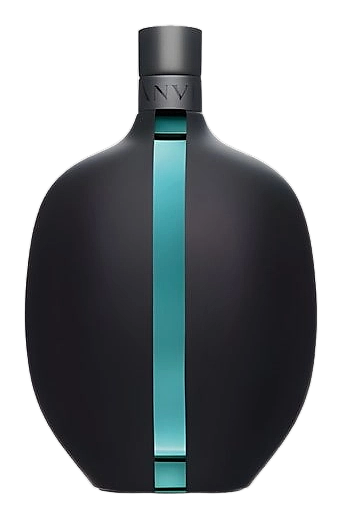
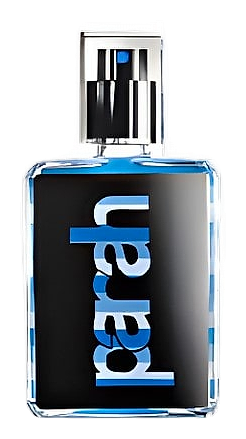
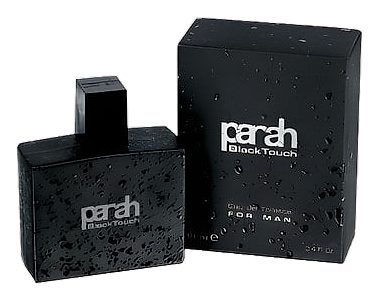
Black Touch arrived in 2010 from Parah, the brand's entry into a woody-spicy territory that prizes warmth over brightness, presence over volume. The composition was built around oud treated as a base ingredient rather than a headline act, layered under spices that share the stage rather than hiding behind it. Official materials describe a geometric black bottle dotted with dewdrops, a shape that mirrors the composition's restraint: nothing decorative, everything deliberate. The opening sets a clean, almost cold entry point before the denser materials rise, and the bottle's hard lines and matte finish reflect that same architectural restraint.
What separates Black Touch from the crowded woody-spicy field is how it treats its oud. The agarwood shares the base with guaiac and patchouli, a stack of wood materials that each bring a different texture rather than competing for attention. The citrus opening, rendered broadly as citruses, serves as a bright entry point before the spices and amber take over the heart. The transition from top to base moves through a measured corridor: fresh becomes warm, warm becomes resinous, resinous settles into the woods.
The evolution
The first minutes are where Black Touch earns its keep. Bergamot and a flash of green arrive sharp and clean, almost like a window cracked open on a cold morning, the kind of freshness that snaps you awake before the spices settle in. Within ten minutes that brightness recedes. Nutmeg and a warm amber thread move to the foreground, joined by cistus and coriander, and the scent shifts from citrus-clean to something denser, almost resinous, with the spices weaving around the amber like smoke curling off a low fire. The guaiac wood and patchouli are present from early on, but they hold low, supporting rather than steering. The oud never shouts. It lurks beneath the wood, lending a faint sweetness and a shadow of animal warmth that keeps the drydown from feeling dry.
Cultural impact
Black Touch occupies a particular place among woody-spicy compositions, carrying real oud presence without broadcasting it loudly. The appeal runs toward wearers drawn to warmth and restraint over sweetness or brightness, the kind of scent for someone who wants their fragrance to register as a presence rather than a statement. The Parah name carries less widespread recognition than some other fragrance houses, lending the composition a feel of quiet discovery for those who stumble onto it.