The Story
Why it exists.
The beginning
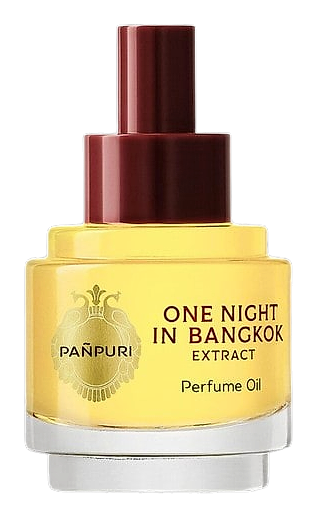
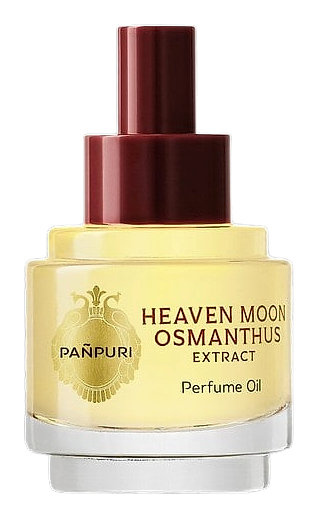
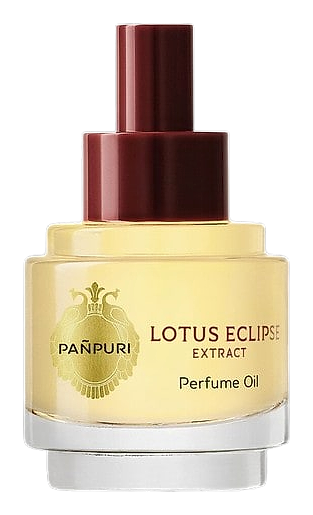
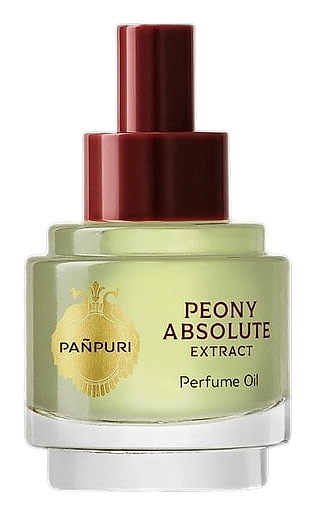
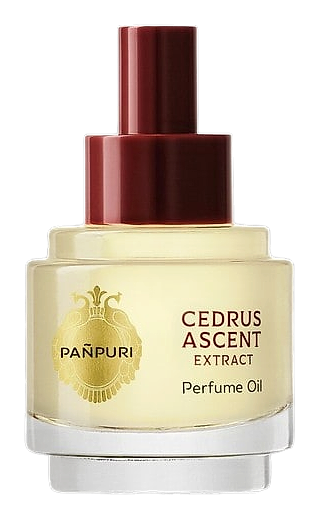
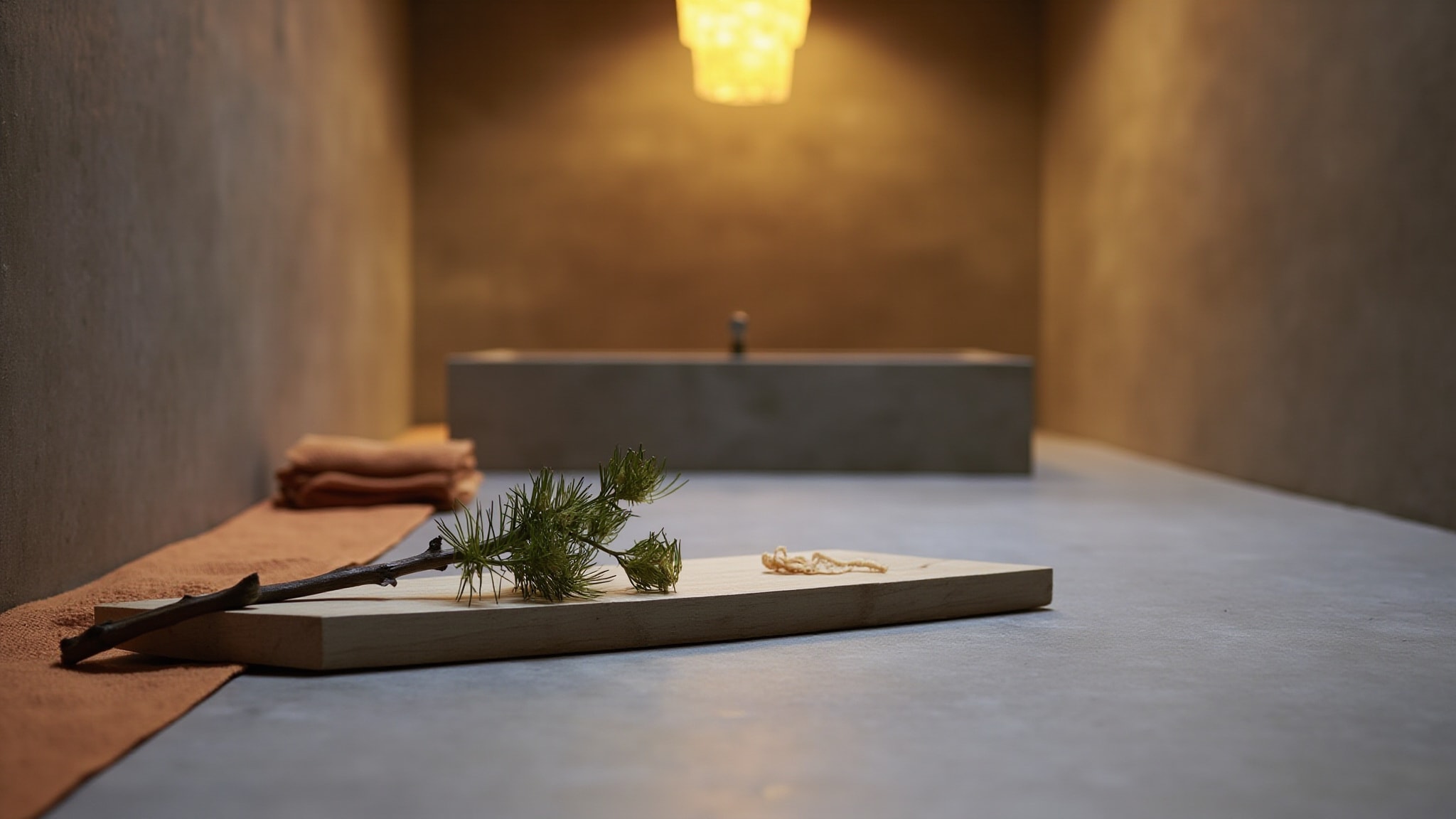
Cedrus Ascent arrived recently from Pañpuri, a Thai fragrance house whose work draws from the country's herbal and aromatic traditions. The composition takes its name from the Latin for cedar, and the intention reads clearly: a vertical climb through resin and wood, returning to earth. The fragrance borrows the contemplative quiet of a temple courtyard and gives it structure through Ma-Kwaen pepper, a distinctive note that lends the opening an unusual sensation of cool, almost electric heat before any of the woods arrive.
What separates Cedrus Ascent from the standard woody-rose template is the opening material. Ma-Kwaen pepper introduces a cool, tingled heat that most cedars never touch. Pair that with Peru balsam in the heart, a sweet and balsamic resin, and the composition lands in unusual territory: warm but not gourmand, floral but not pretty. The base leans on a layered wood-and-incense arrangement: Hinoki cypress, sandalwood, frankincense, patchouli, cedarwood, and musk.
The evolution
The first minutes on skin are sharper than expected. Bergamot and Ma-Kwaen pepper do an unexpected thing together, citrus and a cool, electric heat, almost like the air before a storm. The pepper doesn't shout. It tingles at the back of the nose. Then the rose arrives, and Peru balsam wraps it in something dark and sweet, closer to burning flowers than to a bouquet. The balsamic quality takes hold and stays. From there, the base settles in slowly. Cedarwood and Hinoki cypress do the heavy lifting, dry and almost papery, while sandalwood softens the edges from underneath. Frankincense adds a cold, smoky thread that runs through everything. Over time, what remains is the musk-cedar combination, warm, clean, close to the body. It doesn't broadcast widely. What it does is linger: a quiet woody trail that stays near the skin long after the opening has gone.
Cultural impact
Cedrus Ascent brings an unusual aromatic vocabulary to the woody-rose category by drawing on regionally specific materials like Ma-Kwaen pepper and Hinoki cypress. The composition offers a contemplative reading of cedar, shaped by temple offerings, herbal compresses, and quiet contemplation rather than the louder, more performative launches that have defined much of recent niche perfumery. For wearers seeking a meditative, restrained alternative, the fragrance offers a distinct approach that draws directly from Thai aromatic traditions.